



What's Happening?
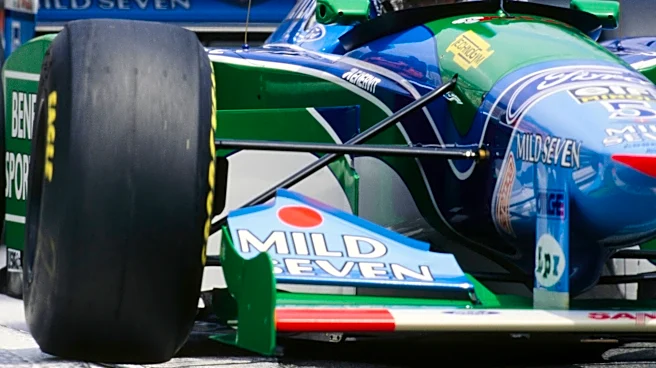
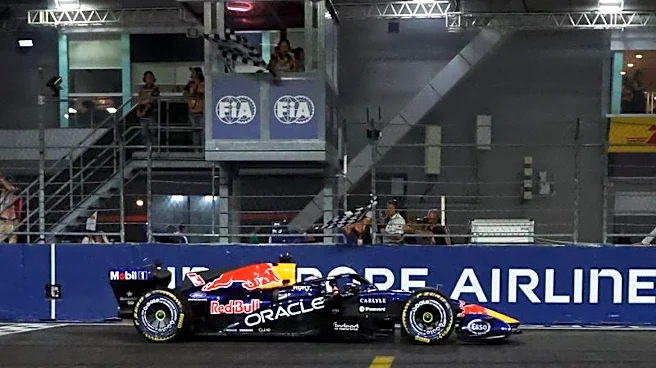
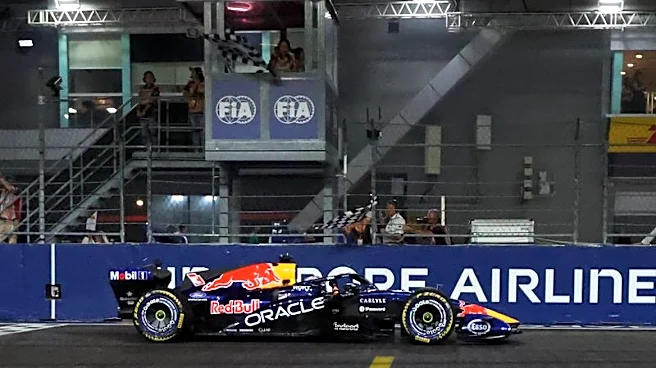
Ferrari, founded by Enzo Ferrari, has a deep-rooted history in racing, particularly Formula 1, which has significantly influenced the design and performance of its road cars. The company's racing-first mentality has shaped its vehicle lineup, from the Testarossa
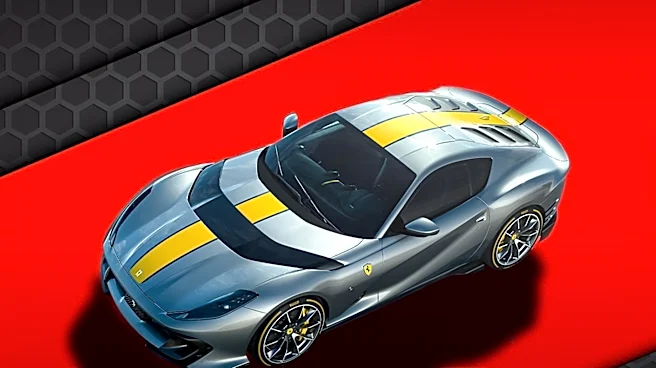
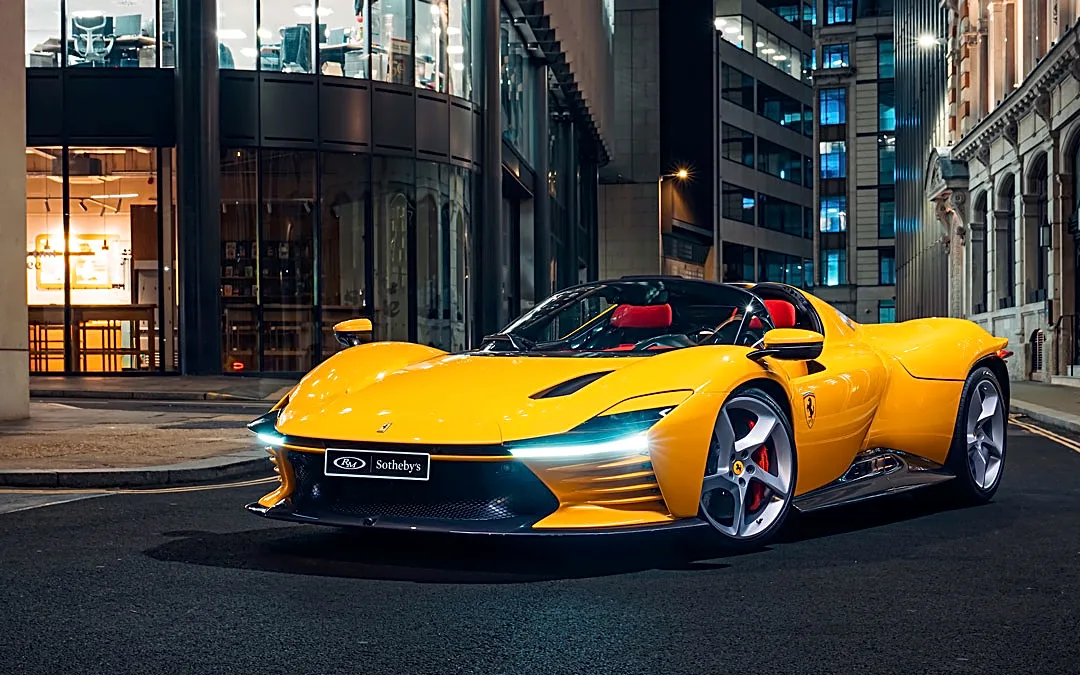
to modern hybrid supercars. Ferrari offers a range of models, including grand tourers and supercars, often equipped with powerful engines such as naturally aspirated V12s, twin-turbo V8s, and advanced hybrid powertrains. These vehicles integrate sophisticated active suspension systems, aerodynamic efficiency, and responsive steering. Modern examples like the Ferrari 296 GTB feature a twin-turbo V6 with an electric motor, while the SF90 utilizes a twin-turbo V8 and multiple electric motors to achieve four-digit horsepower. The brand emphasizes an exotic driving experience, characterized by drama, exclusivity, distinctive sound, and high power. Ferrari's design philosophy tends to be dramatic, featuring elongated hoods, sculpted aerodynamic surfaces, and driver-oriented interiors with premium materials.
Why It's Important?
Ferrari's unique approach to automotive manufacturing, heavily influenced by its Formula 1 heritage, creates a distinct market segment for luxury and performance vehicles. This focus on an 'exotic' driving experience, characterized by high power, dramatic aesthetics, and exclusivity, appeals to a specific demographic of high-net-worth individuals and car enthusiasts. The brand's commitment to advanced technology, such as hybrid powertrains and sophisticated electronics, pushes the boundaries of automotive engineering, potentially influencing broader industry trends in performance and efficiency. The high price point and exclusivity of Ferrari vehicles contribute to their strong collector demand and resale value, making them significant assets in the luxury goods market. This positioning also means Ferrari operates in a niche that prioritizes emotional connection and driving theater over everyday usability, differentiating it from competitors that might offer a broader range of more practical models.
What's Next?
Ferrari is expected to continue its trajectory of integrating advanced hybrid and potentially fully electric powertrains into its lineup, while maintaining its core identity rooted in performance and exclusivity. The company will likely further refine its active suspension systems and aerodynamic designs to enhance both track performance and road driving experience. Future models may see continued innovation in engine technology, potentially exploring new configurations or further optimizing existing ones for power and efficiency. Given the brand's strong collector market, Ferrari will also likely continue to produce limited-edition models that cater to enthusiasts and investors. The brand's expansion into new segments, such as with the Purosangue, suggests a strategic move to offer more versatile options while preserving its exclusive appeal, indicating potential for further diversification in its product offerings to meet evolving market demands.
Beyond the Headlines
Beyond the immediate performance and luxury aspects, Ferrari represents a cultural icon, embodying Italian craftsmanship, passion, and engineering prowess. The brand's enduring association with Formula 1 not only fuels its marketing but also reinforces a narrative of continuous innovation and competitive spirit. This deep-seated heritage contributes to the brand's mystique and desirability, transcending mere automotive function to become a symbol of aspiration and achievement. The high cost of ownership and maintenance for Ferraris also creates a specialized ecosystem of service providers and aftermarket businesses. Furthermore, the brand's influence extends into popular culture, appearing in films, music, and art, solidifying its status as a global luxury symbol. The shift towards hybrid and electric powertrains also presents an interesting challenge for Ferrari: how to maintain its signature 'theater' and sound in an increasingly electrified automotive landscape, balancing tradition with future demands.