





What's Happening?
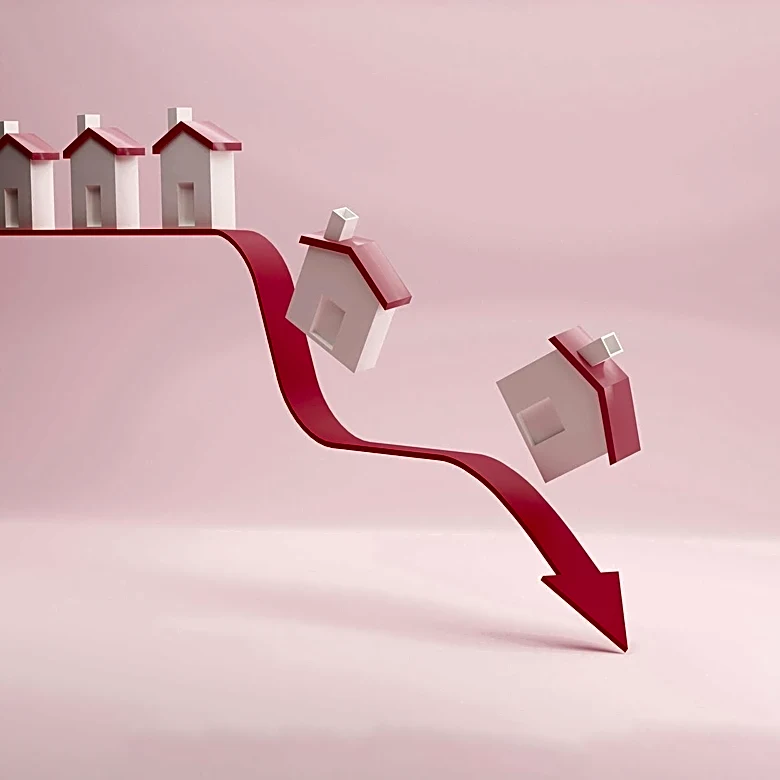
Farmland values in British Columbia experienced a decline, with a 1.7% average decrease province-wide last year, followed by an additional 1.9% drop in the first half of this year. This trend resulted in a 3.9% overall decline in the 12 months ending
June 2026. The Kootenay region saw a significant 21.1% decrease in cultivated farmland values in 2025, attributed to a correction from previous transactions heavily supported by fruit producers. The Okanagan market remained flat despite challenges in the fruit sector. This downturn is linked to prolonged production difficulties that led many growers to exit the market, extending downward pressure beyond orchard properties to cultivated land. In contrast, the Prairies demonstrated resilience, with Alberta and Manitoba reporting a 5.3% increase in farmland values during the first half of this year. Nationally, the value of cultivated farmland rose by an average of 3.8% across Canada in the first half of the year, indicating a shift in momentum towards the Prairies from markets that saw surges post-pandemic.
Why It's Important?
The divergence in farmland value trends between British Columbia and the Prairie provinces highlights regional economic shifts within the agricultural sector. The decline in B.C., particularly in fruit-growing regions, signals significant stress for fruit producers and could lead to further consolidation or changes in land use. This situation impacts agricultural lenders, land investors, and local economies reliant on the fruit industry. Conversely, the sustained growth in the Prairies suggests robust demand for productive, well-located land, potentially driven by different agricultural commodities or investment interests. This shift in momentum could influence future agricultural investment strategies, with capital potentially flowing more towards the resilient Prairie markets. The overall national slowdown in growth, despite continued demand for quality land, indicates a maturing market compared to the post-pandemic surge, requiring more nuanced investment approaches and risk assessment for agricultural stakeholders.
What's Next?
The ongoing challenges in British Columbia's fruit sector suggest that farmland values in these regions may continue to face downward pressure or remain stagnant in the short term. Growers who have exited the market may lead to further land sales, potentially at discounted rates, as seen in the H&R Orchards receivership. This could create opportunities for new investors or larger agricultural operations to acquire land at lower prices, potentially leading to restructuring within the industry. For the Prairie provinces, continued growth in farmland values may attract more investment, potentially driving up land prices further and making entry more challenging for new farmers. Agricultural lenders like Farm Credit Canada (FCC) will likely continue to monitor these regional disparities closely, potentially adjusting lending policies or support programs based on local market conditions. The national trend of slowing growth suggests a more stable, albeit less rapidly appreciating, market for farmland across Canada.
Beyond the Headlines
The struggles within British Columbia's fruit sector point to broader issues beyond just land values, including potential impacts of climate change on crop viability, evolving consumer preferences, and international trade dynamics affecting fruit markets. The significant drop in value in the Kootenay region, described as a 'correction,' suggests that previous valuations might have been inflated or based on unsustainable market conditions. This could lead to a re-evaluation of agricultural land appraisal methodologies, especially for specialized crops. The resilience of the Prairies, on the other hand, might reflect the stability of staple crops or different market demands. This regional divergence could also influence demographic shifts, with potential migration of agricultural labor or expertise towards more prosperous farming regions. The long-term implications could include a restructuring of Canada's agricultural landscape, with certain regions specializing more intensely in specific types of farming based on economic viability and land value trends.