





What's Happening?
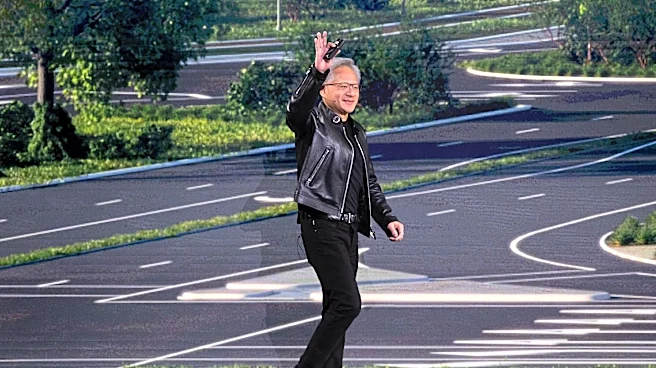
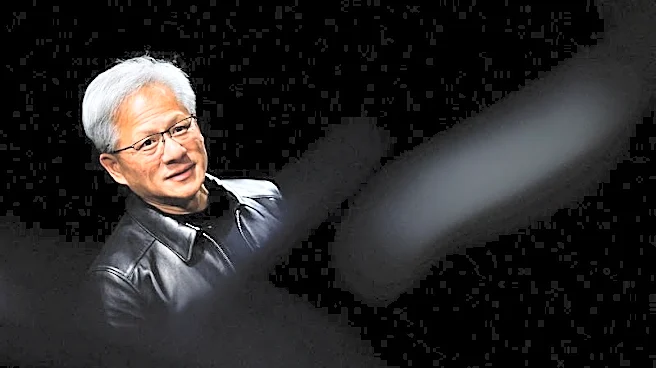
Jensen Huang, co-founder of Nvidia, resigned from his position as CEO in 2026. Huang, who established Nvidia in 1993 and was instrumental in its growth as a leader in graphics chips and artificial intelligence, stepped down from the role. His resignation
followed the revelation of an affair. However, he later rejoined the company as CEO in November of the same year. Huang is known for his distinctive black leather jackets and a tattoo of the Nvidia logo. He holds electrical engineering degrees from Oregon State University and Stanford University. Throughout his career, he has been recognized globally for his contributions to the tech industry and has interacted with other prominent figures like Elon Musk, Mark Zuckerberg, and Jeff Bezos.
Why It's Important?
Jensen Huang's brief resignation and subsequent return as CEO of Nvidia in 2026 highlights the significant impact of leadership stability and personal conduct on major technology companies. Nvidia, under Huang's guidance, has become a dominant force in the graphics processing unit (GPU) market and a key player in the burgeoning field of artificial intelligence. A sudden leadership change, even temporary, can create uncertainty among investors, employees, and partners, potentially affecting stock performance and strategic direction. His return, despite the personal controversy, suggests his indispensable role in the company's vision and operations. This event underscores how the personal lives of high-profile CEOs can intersect with corporate governance and public perception, influencing market confidence and company trajectory in the highly competitive tech sector.
What's Next?
Following Jensen Huang's return as CEO, Nvidia will likely focus on reaffirming its strategic direction and maintaining market confidence. The company will need to navigate any lingering perceptions from the leadership change and ensure a smooth continuation of its initiatives in AI and graphics technology. Stakeholders, including investors and industry analysts, will closely monitor Nvidia's performance and any statements from Huang regarding his long-term commitment and vision for the company. Internally, the company may need to address any organizational shifts or morale impacts resulting from the brief leadership transition. Nvidia's ongoing projects in AI development, data centers, and gaming will remain critical areas of focus, with Huang's leadership expected to drive these advancements forward.
Beyond the Headlines
The incident surrounding Jensen Huang's resignation and swift return raises broader questions about corporate resilience, the cult of personality in tech leadership, and the evolving standards of executive conduct. In an industry often driven by visionary founders, the perceived indispensability of a leader like Huang can lead to rapid reinstatements, even after personal controversies. This situation could prompt discussions within corporate governance circles about succession planning, ethical leadership, and how companies manage the interplay between a CEO's private life and their public role. It also highlights the potential for market forces and stakeholder pressure to influence leadership decisions, particularly when a founder is deeply intertwined with a company's identity and success. The event may serve as a case study for how major tech firms navigate crises involving their most prominent figures.