





What's Happening?
Miami renters are encouraged to adopt a comprehensive approach to evaluating apartment value, moving beyond the traditional price-per-square-foot metric. According to AptAmigo, a free apartment locator service, factors such as parking costs, transit accessibility,
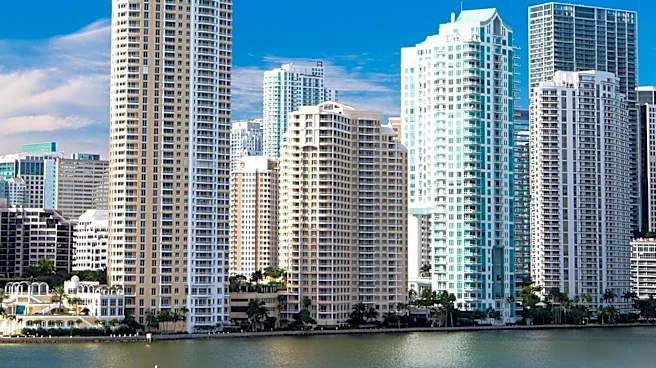
and building age significantly influence the true monthly cost of living. For instance, a seemingly cheaper apartment in Wynwood without included parking and a long commute could ultimately be more expensive than a slightly pricier unit in Brickell that allows for walking to work. The Miami rental market, characterized by low vacancy rates and high demand, especially in walkable neighborhoods, necessitates this detailed financial consideration. Renters are advised to define their budget, including all move-in costs like first and last month's rent, and security deposits, which can amount to three to four times the monthly rent. Additionally, parking fees, often ranging from $100 to $250 per month, and pet fees should be factored in.
Why It's Important?
This shift in rental evaluation is crucial for Miami residents navigating one of the most competitive rental markets in the United States. The influx of remote workers and migrants has driven rents to record highs, making it essential for renters to understand the full financial implications of their housing choices. By focusing on total monthly cost, individuals can avoid unforeseen expenses and make more informed decisions that align with their financial capabilities. This approach helps renters identify true value, potentially saving thousands of dollars over a 12-month lease term. The advice also highlights the importance of strategic neighborhood selection, as Miami's unique geography means that location directly impacts daily commute times and lifestyle costs. Understanding the difference between lease-up pricing and stabilized pricing is also vital, as new buildings often offer aggressive concessions that disappear once occupancy rates reach 90-95%, leading to potential 10-15% increases in renewal rates.
What's Next?
Renters in Miami are advised to proactively engage with the market by defining their budget, selecting two to three target neighborhoods, and utilizing services like AptAmigo to navigate listings and negotiate terms. Scheduling tours within 48 hours of a listing's appearance is critical, as desirable units lease quickly. Renters should also meticulously review leases for hidden fees, such as amenity access or package locker charges, and negotiate move-in specials, which are often not publicly advertised. Locking in longer initial lease terms (18 or 24 months) during a building's lease-up phase is identified as a high-value strategy to protect against rapid rent increases. As new luxury towers continue to add inventory, renters who act quickly and strategically may find negotiating leverage.
Beyond the Headlines
The emphasis on total monthly cost reflects a broader trend in urban housing markets where ancillary expenses significantly impact affordability. This approach underscores the evolving nature of 'value' in real estate, moving beyond simple square footage to encompass lifestyle, convenience, and hidden costs. The competitive nature of Miami's rental market also highlights the increasing need for renter education and advocacy, as individuals must become more sophisticated in their search and negotiation tactics. The advice to consider lease-up pricing and longer lease terms points to a strategic financial play that can mitigate the effects of rapid market fluctuations, offering a form of consumer protection in a volatile housing landscape. This also suggests a growing reliance on expert local guidance, such as apartment locators, to navigate complex rental agreements and market dynamics effectively.