







What's Happening?
Hashi Market, a Japanese grocery store chain, is set to open its first Washington location in North Seattle, occupying a 35,715-square-foot retail unit previously operated by Amazon Fresh. This move follows Amazon's decision to close its Fresh- and Go-branded
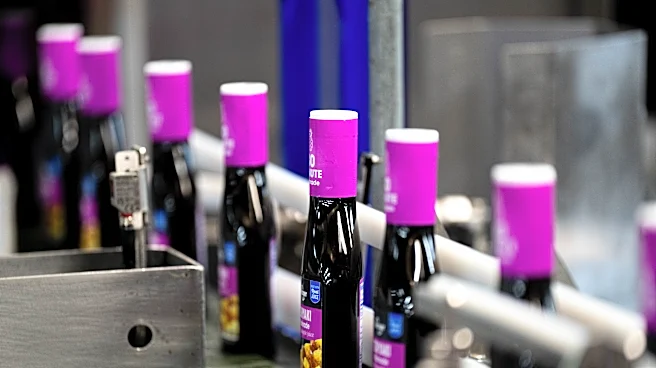
brick-and-mortar grocery stores nationwide earlier this year. The new Hashi Market will be located at 13025 Aurora Avenue N and plans to offer fresh Japanese produce, packaged groceries, home goods, on-site catering services, beauty products, and household essentials. The repurposing of former Amazon Fresh properties is a strategic advantage for Hashi Market, as these sites already feature heavy electrical infrastructure, cold storage rooms, and loading docks, significantly reducing upfront capital expenditure for the new tenant. Amazon's exit from its experimental grocery formats in 2026 has led to increased store turnover in the Puget Sound region, with landlords actively seeking to backfill these spaces with established ethnic grocery operators.
Why It's Important?
This development highlights a significant shift in the U.S. grocery retail landscape, particularly the strategic expansion of specialty ethnic grocers into spaces vacated by larger chains. Amazon's retrenchment from its physical grocery store ambitions, including Amazon Fresh, has created opportunities for smaller, specialized retailers like Hashi Market. These specialty grocers often benefit from higher basket sizes and stronger customer retention due to their unique offerings, such as extensive fresh counters, hot meal programs, and imported stock keeping units that conventional chains typically do not carry. The move by Hashi Market into North Seattle addresses an underserved demographic demand for imported Japanese pantry staples, prepared foods, and cosmetics. This trend suggests a growing consumer preference for niche markets and diverse culinary experiences, putting pressure on traditional general merchandisers to adapt or risk losing market share to these agile specialty operators.
What's Next?
Hashi Market is currently fitting out the 13025 Aurora Avenue N property in anticipation of its public opening. The success of this location could pave the way for further expansion of Hashi Market and other Asian specialty grocers into North American markets, particularly in areas with diverse demographics. Landlords are likely to continue prioritizing ethnic grocery operators to fill vacant retail spaces, given their ability to draw consistent foot traffic and cater to specific community needs. This trend may also prompt larger grocery chains to re-evaluate their strategies, potentially leading to more partnerships with or acquisitions of specialty grocers to diversify their offerings and appeal to a broader customer base. The ongoing repurposing of former Amazon Fresh and Go stores will continue to reshape local retail environments across U.S. metropolitan areas.
Beyond the Headlines
The shift from large-scale, experimental grocery formats like Amazon Fresh to more specialized ethnic markets reflects a broader evolution in consumer behavior and retail strategy. Consumers are increasingly seeking authentic, high-quality, and culturally specific products, moving beyond the one-size-fits-all approach of conventional supermarkets. This trend has implications for urban planning and community development, as specialty grocers often become cultural hubs, fostering community engagement and supporting local economies. The ability of these smaller operators to leverage existing infrastructure from larger, failed ventures also underscores a more sustainable approach to retail development, minimizing waste and maximizing efficiency. This dynamic could lead to a more fragmented yet resilient grocery market, where diverse offerings cater to a wider array of consumer preferences and cultural identities, ultimately enriching the retail landscape.