

What's Happening?
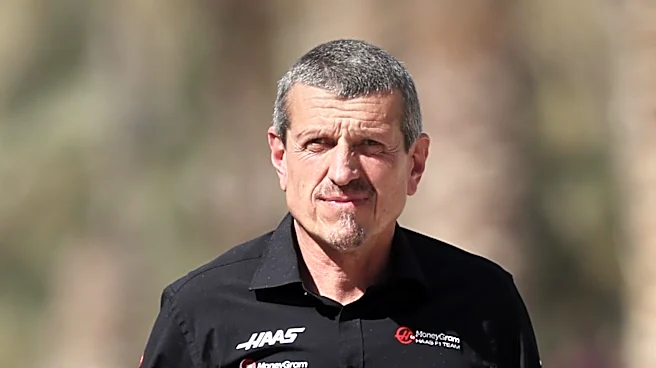
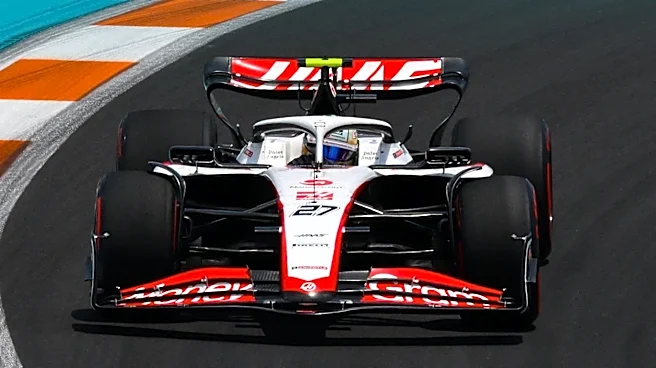
Guenther Steiner, former Haas team principal, has indicated that current Haas driver Oliver Bearman is unlikely to remain with the team by 2028. Speaking on The Red Flags podcast, Steiner identified Bearman as a promising young talent with various options
for his future in Formula 1. This assessment comes as Steiner also discussed the uncertain future of Oscar Piastri at McLaren, suggesting that if Piastri's performance does not improve significantly in the 2027 season, McLaren CEO Zak Brown might seek a younger replacement. While Steiner did not confirm any negotiations between Bearman and McLaren, he positioned Bearman as a name to watch should McLaren decide to explore new driver options. Steiner also noted that Brown typically favors younger drivers over bringing back older ones, making a return for Carlos Sainz to McLaren less likely in his view.
Why It's Important?
This development highlights the intense competition and strategic planning within Formula 1, particularly concerning young talent and team lineups. For Haas, losing a promising driver like Bearman could necessitate a search for a new talent, impacting their competitive strategy and development trajectory. For McLaren, the potential availability of a driver like Bearman could offer a strategic advantage, allowing them to secure a young, high-potential driver who aligns with Zak Brown's preference for nurturing emerging talent. The speculation surrounding Piastri's future underscores the high-pressure environment for drivers in top-tier teams, where consistent performance is crucial for job security. The movement of drivers like Bearman could significantly reshape the competitive landscape of Formula 1 in the coming seasons, influencing team dynamics and championship aspirations.
What's Next?
The 2027 Formula 1 season will be critical for Oscar Piastri, as his performance will likely determine McLaren's driver lineup decisions for 2028. If Piastri fails to close the performance gap with his teammate Lando Norris, McLaren may actively pursue alternatives, with Oliver Bearman being a potential candidate. Bearman's performance with Haas in the upcoming seasons will also be closely monitored by other teams, including Ferrari, which reportedly views him as a potential successor to Lewis Hamilton after 2027. The decisions made by McLaren and other top teams regarding their driver rosters will have a ripple effect across the grid, influencing contract negotiations and team strategies for the 2028 season and beyond. The focus will be on how these young drivers perform under pressure and how teams strategically position themselves for future success.
Beyond the Headlines
The discussion surrounding Oliver Bearman and other young drivers reflects a broader trend in Formula 1 towards investing in and developing emerging talent. Teams are increasingly looking to secure young drivers early in their careers, often through academy programs, to ensure long-term competitive advantage. This strategy not only provides cost-effective talent acquisition but also allows teams to mold drivers to their specific philosophies and car designs. The emphasis on youth also raises questions about the career longevity of established drivers, as teams may prioritize potential over proven experience, especially if performance dips. This dynamic creates a constant churn in the driver market, making driver development and retention a critical aspect of team management and long-term success in Formula 1.