





What's Happening?
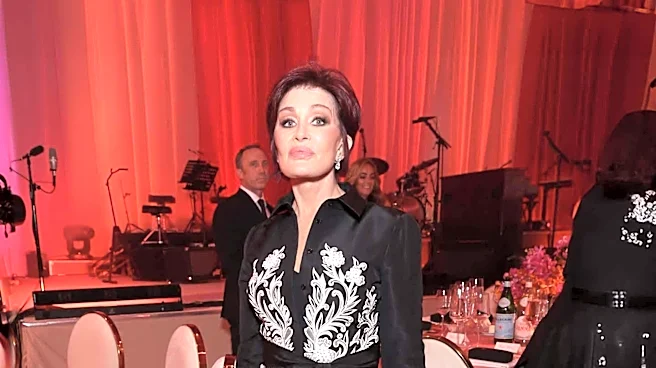
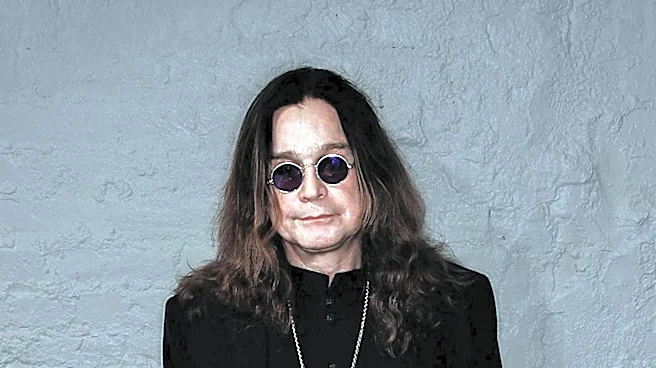
Kelly Osbourne, the television personality who rose to fame on MTV's 'The Osbournes,' has spoken out about the profound impact of grief and public scrutiny on her life following the death of her father, Ozzy Osbourne, in July 2025. Osbourne revealed to the Daily
Telegraph that she struggled to recognize the extent of her weight loss, which she attributed to grief rather than an eating disorder. She described the public's reaction to her appearance as 'cruel,' particularly during a period when she was overwhelmed by bereavement. Osbourne recounted a moment at a Grammy awards fitting where she was shown a photograph of herself and did not recognize her own image. She also disclosed that she relapsed into drinking after nearly four years of sobriety, stating that grief took her to a place even drugs and alcohol had not. Her weight loss was a physical manifestation of her grief, causing nausea and an inability to care for herself. She has since regained sobriety and some weight, crediting a therapist and life coach with her recovery.
Why It's Important?
This personal account from Kelly Osbourne highlights the severe psychological and physical toll that grief can exact, particularly when compounded by intense public scrutiny. Her experience underscores the often-unseen struggles faced by public figures, challenging perceptions that fame insulates individuals from personal pain. The narrative also brings to light the societal pressure on women's appearances, even during times of profound personal crisis, and the harsh judgment that can accompany changes in physical form. Her relapse into addiction, directly linked to her grief, emphasizes the vulnerability of individuals in recovery when confronted with significant life stressors. This story serves as a reminder of the importance of empathy and understanding, particularly when observing public figures, and sheds light on the complex interplay between mental health, addiction, and societal expectations.
What's Next?
Kelly Osbourne has relocated from Los Angeles to the English countryside with her son and is focusing on her recovery and well-being. She has regained sobriety and some weight, indicating a path toward stability. Her public sharing of these experiences may contribute to broader conversations about grief, mental health, and addiction, potentially encouraging others facing similar challenges to seek help. While her professional future is not explicitly detailed, her past career in television and music suggests she may continue to engage with the public in various capacities. Her openness could also influence how media and the public approach discussions about celebrity appearances and personal struggles, fostering a more compassionate dialogue. The ongoing impact of her father's legacy and her family's public profile will likely continue to shape her narrative.
Beyond the Headlines
Kelly Osbourne's candid revelations delve into the ethical implications of public commentary on personal appearance, especially when individuals are navigating profound emotional distress. Her statement, 'I took more hell for being fat than I did for being an absolute raging drug addict,' exposes a societal bias where physical appearance is sometimes judged more harshly than serious health issues like addiction. This raises questions about cultural values and the priorities placed on aesthetics over well-being. The story also touches upon the long-term psychological effects of growing up in the public eye, as evidenced by her early experiences with body shaming from an agency executive. Her journey underscores the need for greater media literacy and a more empathetic public discourse, particularly concerning the mental health and personal struggles of public figures. It highlights the enduring challenge of maintaining privacy and dignity in an era of constant public observation.