








What's Happening?
The U.S. energy storage sector is witnessing a surge in interest in sodium-ion technology, with new partnerships and initiatives emerging to promote its adoption. The American Battery Leadership Coalition, featuring key industry players, is advocating
for sodium-ion solutions as a viable alternative to lithium-ion batteries. Sodium-ion technology offers advantages such as abundant and non-toxic materials, making it an attractive option for grid-scale energy storage. Despite past setbacks, including the closure of sodium-ion specialist Natron, the industry is poised for growth, driven by the need for sustainable and efficient energy storage solutions.
Why It's Important?
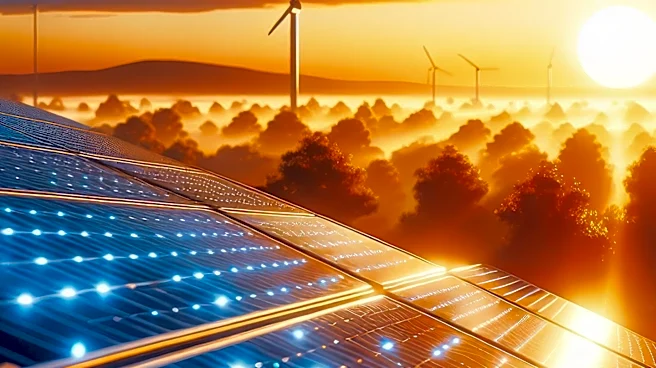
The development of sodium-ion energy storage is significant for the U.S. energy sector, as it provides a sustainable alternative to lithium-ion batteries, which are currently dominant. Sodium-ion technology's potential for long-duration storage could enhance the reliability and efficiency of renewable energy sources like solar and wind. This shift could reduce dependence on fossil fuels and support the transition to a cleaner energy grid. Additionally, the domestic production of sodium-ion batteries could bolster the U.S. economy by creating jobs and reducing reliance on imported materials.
What's Next?
As sodium-ion technology gains traction, further research and development will be essential to overcome existing challenges and improve performance. The U.S. energy storage industry may see increased investment and collaboration to accelerate the commercialization of sodium-ion solutions. Policymakers could play a crucial role in supporting this transition by providing incentives and regulatory frameworks that encourage innovation and adoption. The success of sodium-ion technology could also influence global energy markets, positioning the U.S. as a leader in sustainable energy storage solutions.
Beyond the Headlines
The rise of sodium-ion technology highlights broader trends in the energy sector, including the push for sustainability and the diversification of energy storage options. This development raises questions about the future of lithium-ion batteries and the potential for new technologies to disrupt established markets. The environmental impact of battery production and disposal remains a critical consideration, emphasizing the need for sustainable practices throughout the supply chain. As the energy landscape evolves, stakeholders must balance innovation with environmental responsibility to ensure a sustainable future.