


What's Happening?
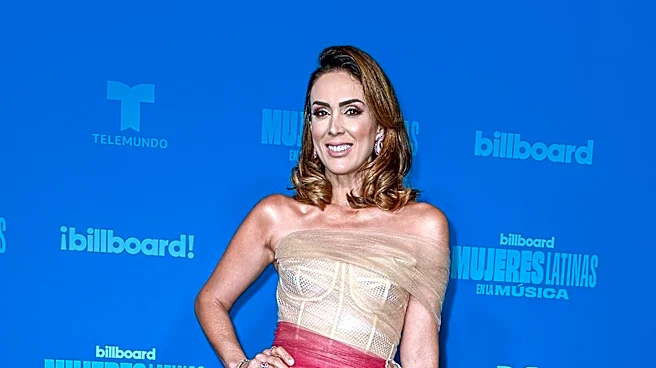
The 2026 Billboard Latin Music Awards, hosted by Carmen Villalobos and Javier Poza, celebrated the global impact of Latin music with various performances and tributes. The event, broadcast live on Telemundo and Peacock from Miami's James L. Knight Center,
saw Fuerza Regida leading with eight awards, followed by Bad Bunny with seven. KAROL G, Peso Pluma, and Romeo Santos each received four awards, while Prince Royce, Rosalía, and Tito Double P secured three awards each. Telemundo's coverage of the blue carpet and awards ceremony ranked #1 in Spanish-language television during primetime, averaging 335,000 adults aged 18-49 and 1.1 million total viewers, peaking at 8:30 PM with 400,000 adults 18-49 and 1.2 million total viewers, according to Nielsen. The event also generated significant digital engagement, with 306 million total views across Telemundo's digital platforms and social channels, marking a 57% increase from 2025, and 29.7 million minutes watched, a 41% increase from the previous year. New live experiences were introduced, including exclusive Peacock blue carpet coverage and the first-ever Fan Favorite Artist award.
Why It's Important?
The strong multiplatform performance of the 2026 Billboard Latin Music Awards highlights the growing influence and commercial viability of Latin music in the U.S. and globally. Telemundo's success in attracting a large audience across linear television and digital platforms demonstrates effective strategies for engaging diverse viewers. The significant increase in digital views and minutes watched, particularly on YouTube and social media, indicates a successful adaptation to modern consumption habits and a strong connection with younger, digitally-native audiences. This performance underscores the economic power of the Latin music genre, attracting major artists and generating substantial advertising revenue for broadcasters. The introduction of fan-centric elements like the Fan Favorite Artist award also reflects a trend towards greater audience participation and engagement, which can further boost the genre's popularity and market reach. The event's ability to dominate Spanish-language television primetime signifies its cultural importance and its role in shaping entertainment trends.
What's Next?
Telemundo's continued focus on multiplatform engagement, as evidenced by the increased digital programming and social-first content, suggests a future where major awards shows will increasingly integrate live broadcasts with extensive online experiences. The success of new initiatives like the Peacock blue carpet coverage and the creator-led POV Acceso Exclusivo on YouTube indicates a potential for more innovative digital content strategies in future events. Broadcasters and music industry stakeholders are likely to further invest in these hybrid models to capture and retain diverse audiences. The sustained growth in viewership and digital engagement for Latin music events could lead to more collaborations between artists, increased sponsorship opportunities, and a broader mainstream appeal for Latin artists. The industry will likely continue to monitor these metrics to refine strategies for maximizing reach and impact, potentially leading to new formats and interactive experiences for viewers.
Beyond the Headlines
The success of the Billboard Latin Music Awards reflects a broader cultural shift in the U.S., where Latin music and culture are becoming increasingly central to the mainstream entertainment landscape. The event's ability to drive significant engagement across various platforms speaks to the demographic power and cultural influence of the Latino community. This trend has implications beyond entertainment, potentially influencing advertising, media representation, and even political discourse as the visibility and economic power of this demographic grow. The emphasis on self-expression and diversity within the Latin music genre, as highlighted by the awards, also contributes to a more inclusive cultural narrative. The integration of fan voting and behind-the-scenes content fosters a deeper connection between artists and their audience, creating a more participatory and dynamic cultural experience that transcends traditional media consumption.