




What's Happening?
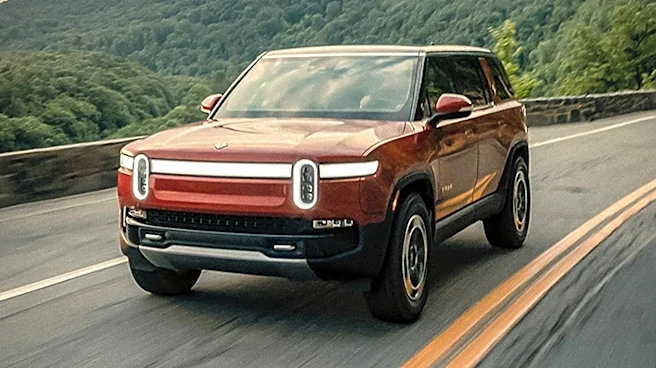
Rivian Automotive is recalling approximately 100,700 vehicles because a software prompt can obstruct the rearview camera image, according to CNBC. This recall encompasses most of the vehicles Rivian has produced. The issue stems from a narrow flaw where,
in rare instances with stability control turned off, a prompt to re-engage it can cover the camera view when the vehicle is in reverse. The image reappears once the vehicle begins moving. Rivian stated that it is not aware of any customer reports, crashes, or injuries related to this problem. More than 95% of the affected vehicles have already received the necessary fix. This situation is classified as a noncompliance matter, meaning it violates a federal standard rather than being linked to reported incidents. The recall affects 62,259 R1S SUVs, 34,088 R1T pickups, and 2,481 R2 SUVs, marking the first recall for the R2 model, which began deliveries in June.
Why It's Important?
This recall highlights the increasing complexity and software-defined nature of modern vehicles, where even minor software glitches can trigger large-scale recalls. While Rivian has proactively fixed most affected vehicles through over-the-air updates, the incident underscores the regulatory scrutiny on vehicle safety features, particularly those mandated by agencies like the National Highway Traffic Safety Administration (NHTSA). The NHTSA mandated backup cameras for most new vehicles built from May 2018 due to backover crashes causing approximately 210 fatalities annually. For Rivian, maintaining compliance with federal standards like FMVSS 111, which governs rear visibility, is crucial for its reputation and market standing. The company's ability to address such issues swiftly, largely through software updates, demonstrates a potential advantage in managing recalls compared to traditional hardware-based fixes, which often require dealership visits and significant logistical efforts.
What's Next?
Rivian is instructing drivers to install the latest over-the-air software update to resolve the rearview camera issue and to check their Vehicle Identification Number (VIN) on the company's recall page. Owner notification letters are scheduled to be sent out by November 9, though many drivers will likely have already received the fix. This recall, primarily addressed through software, is expected to have a minimal impact on Rivian's operations and stock performance, as evidenced by a slight 1% dip in stock price following the announcement. The market's muted reaction suggests that investors are more focused on Rivian's long-term strategy, particularly its transition from premium models to more affordable SUVs like the R2. The company's ongoing efforts to expand its market reach and introduce new models will likely be a more significant factor in its future trajectory than this software-related recall.
Beyond the Headlines
This incident sheds light on the evolving landscape of automotive recalls, where software-defined vehicles present both challenges and opportunities. While a software glitch can affect a vast number of vehicles, the ability to deploy over-the-air updates significantly streamlines the recall process, reducing costs and inconvenience for both manufacturers and consumers. This contrasts sharply with traditional recalls that often involve physical component replacements and extensive service appointments. The emphasis on 'clean, compliant code' as a marketable asset for Rivian, especially with its growing software and services revenue, indicates a shift in industry value propositions. The incident also subtly reinforces the importance of robust software development and testing in the automotive sector, as regulatory bodies continue to adapt to the complexities of highly integrated vehicle systems. The quick resolution of this issue could serve as a positive indicator of Rivian's agility in managing software-related challenges.