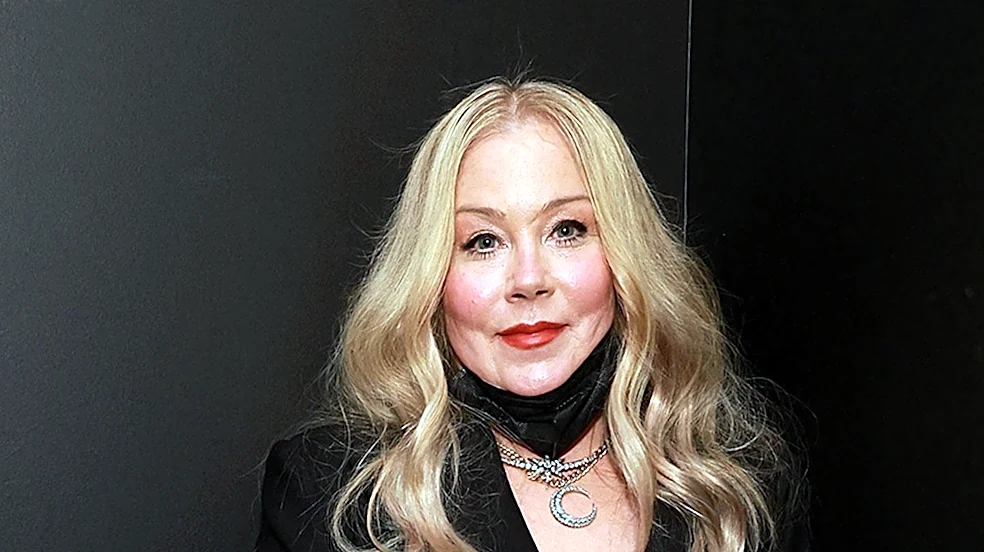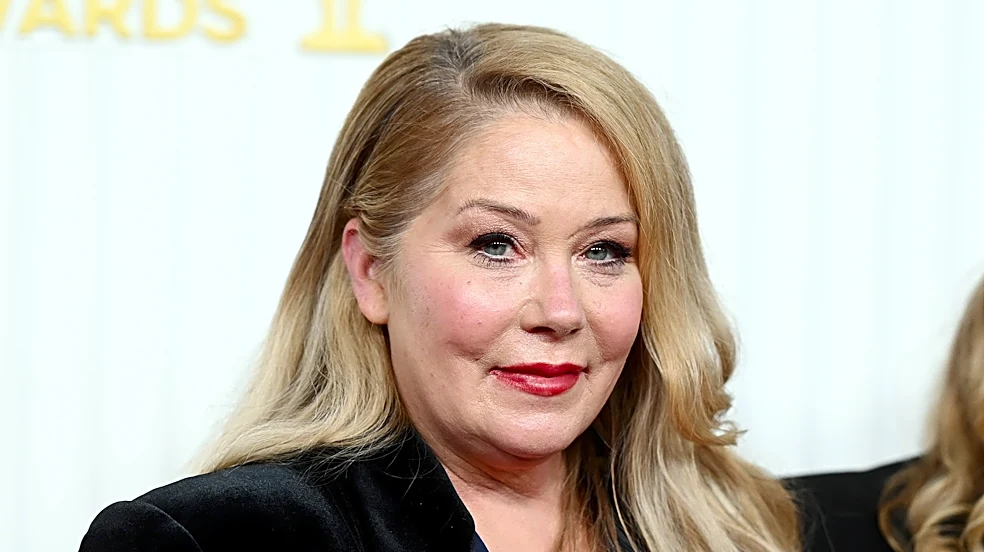







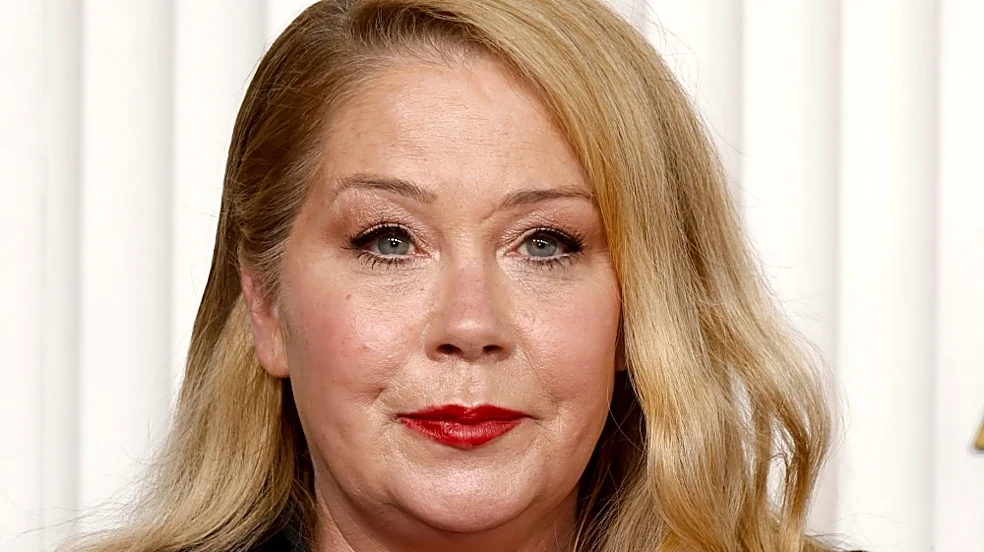

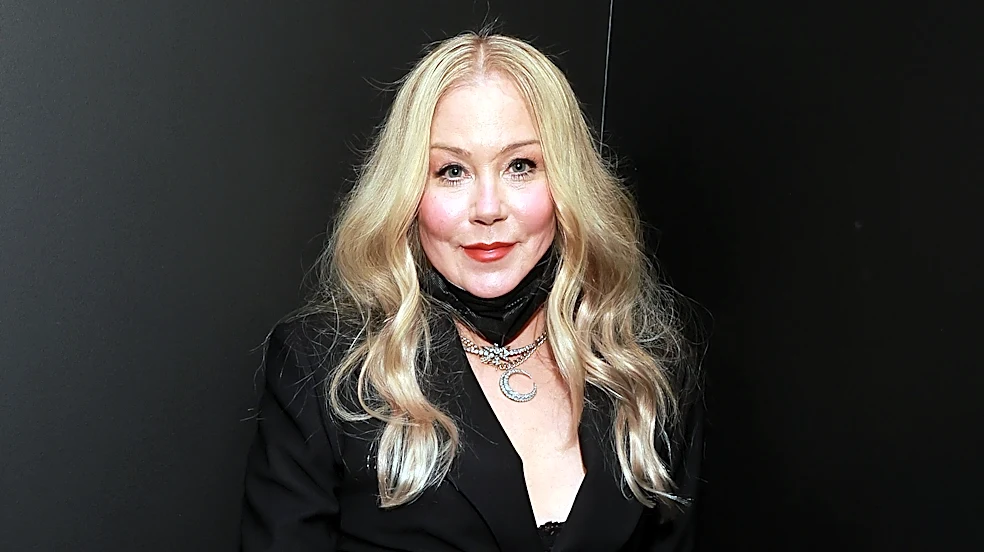

What's Happening?
Actress Christina Applegate has disclosed that her initial diagnosis of multiple sclerosis (MS) five years ago was a misdiagnosis. She recently learned this information, indicating that she and her medical team are now 'back at square one' in understanding
her health condition. This revelation comes after a period of living with what was believed to be MS. The details surrounding the nature of the misdiagnosis or the current understanding of her health status were not specified in the provided information, but the announcement signifies a significant turn in her personal health journey.
Why It's Important?
Christina Applegate's announcement of her MS misdiagnosis carries significant weight, particularly for the medical community and individuals living with chronic illnesses. Misdiagnoses, especially for complex neurological conditions like MS, can lead to years of inappropriate treatment, emotional distress, and a delay in receiving correct care. This situation highlights the challenges in diagnosing certain diseases and underscores the importance of thorough and ongoing medical evaluation. For patients, it emphasizes the need for advocacy in their own healthcare and the potential for second opinions. For healthcare providers, it serves as a reminder of the complexities of diagnostic processes and the continuous need for advancements in diagnostic tools and understanding of various conditions. Her public sharing of this experience could also raise awareness about diagnostic accuracy and the patient journey, potentially encouraging others to seek further clarity on their own health issues.
What's Next?
Following Christina Applegate's revelation, the immediate next steps for her will involve working closely with her medical team to accurately diagnose her condition and develop an appropriate treatment plan. This process may include further diagnostic testing, consultations with specialists, and a re-evaluation of her symptoms and medical history. Publicly, her experience may spark broader conversations about diagnostic accuracy in chronic illness, potentially leading to increased advocacy for improved diagnostic protocols and patient education. It could also encourage other individuals who have received similar diagnoses to seek re-evaluation or second opinions, particularly if their symptoms do not align with typical disease progression. The entertainment industry and her fans will likely continue to offer support as she navigates this new phase of her health journey, with potential for her to share more about her experiences as she gains clarity.
Beyond the Headlines
Christina Applegate's misdiagnosis transcends a personal health update, touching upon deeper systemic issues within healthcare. It highlights the emotional and physical toll that an incorrect diagnosis can inflict, including the psychological burden of living with a perceived chronic illness and the potential side effects of unnecessary treatments. This situation also brings to light the diagnostic odyssey many patients face, particularly those with rare or complex conditions, where the path to an accurate diagnosis can be long and arduous. Culturally, her public disclosure contributes to destigmatizing discussions around health challenges and misdiagnosis, encouraging transparency and empathy. It underscores the critical need for continuous medical education, interdisciplinary collaboration among specialists, and the development of more precise diagnostic biomarkers to minimize such errors. Ultimately, her story serves as a powerful testament to resilience and the ongoing quest for truth in personal health, resonating with countless individuals who have experienced similar diagnostic uncertainties.