





What's Happening?
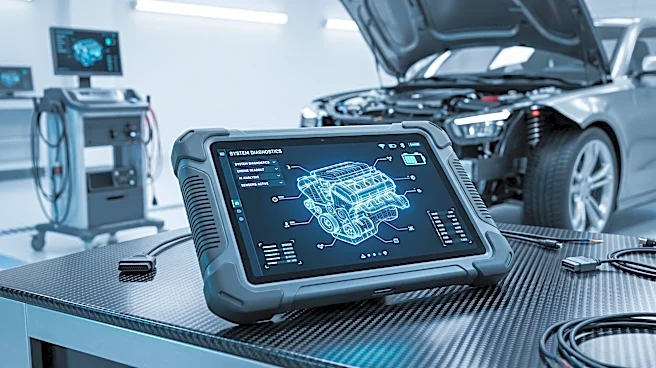
AI-assisted diagnostic tools are being implemented in the automotive industry to support technicians in identifying vehicle issues more efficiently. These tools, such as ALLDATA's Diagnostic Intelligence, provide probable causes, relevant tests, and repair
information when a technician searches by diagnostic trouble code (DTC) or symptom. This technology aims to streamline the diagnostic process by consolidating information that technicians would otherwise spend valuable time searching for across multiple resources. The system helps both experienced technicians, by providing quick access to relevant data, and newer technicians, by offering context for tests and reinforcing the habit of verifying causes before recommending repairs. The automotive industry faces a technician shortage, making the transfer of diagnostic expertise to newer professionals a significant challenge. AI-assisted diagnostics are designed to bridge this experience gap, offering a structured starting point for less experienced team members and reducing their dependence on a small group of senior technicians.
Why It's Important?
The integration of AI-assisted diagnostics is crucial for the U.S. automotive industry, which is grappling with a persistent technician shortage. This technology addresses a critical need by enhancing the diagnostic capabilities of both seasoned and novice technicians, thereby improving overall shop efficiency and reducing repair comebacks. For shop owners and managers, this translates into more predictable repair outcomes and potentially higher customer satisfaction. The ability of AI to provide relevant information and suggest diagnostic paths helps newer technicians develop their skills more rapidly, fostering a stronger foundation for diagnosing increasingly complex vehicle issues. This is particularly important as vehicle technology continues to evolve, making diagnostic processes more intricate. By amplifying the strengths of human expertise rather than replacing it, AI tools ensure that critical decisions remain in the hands of technicians while empowering them with better information.
What's Next?
The future of automotive diagnostics will likely see a continued partnership between human expertise and intelligent technology. Tools like ALLDATA’s Diagnostic Intelligence are expected to evolve, becoming more refined in their ability to provide purpose-built support for automotive repair. The focus will remain on helping technicians spend less time searching and more time solving problems, leading to faster and more confident decision-making. As vehicle complexity increases, shops that successfully combine skilled technicians, trusted repair information, and intelligent technology will be better positioned to thrive. Further developments may include more sophisticated AI-assisted insights and deeper integration with OEM service information, ensuring that technicians have the most accurate and up-to-date resources at their fingertips. The emphasis will be on continuous improvement in productivity, technician development, and the delivery of efficient, accurate repairs for customers.
Beyond the Headlines
Beyond the immediate benefits of efficiency and training, the widespread adoption of AI-assisted diagnostics in the automotive sector could lead to a significant shift in how technical expertise is valued and developed. It could democratize diagnostic knowledge, making advanced problem-solving more accessible to a broader range of technicians and potentially attracting new talent to the field. However, it also raises questions about the balance between human judgment and technological reliance. While the current tools are designed to support rather than replace technicians, there's a long-term implication for how diagnostic skills are taught and maintained. The industry will need to ensure that technicians remain critical thinkers, capable of scrutinizing AI outputs and making independent judgments, to avoid issues like automation bias. This evolution could also foster greater standardization in repair processes across different shops, leading to more consistent service quality nationwide.