



What's Happening?
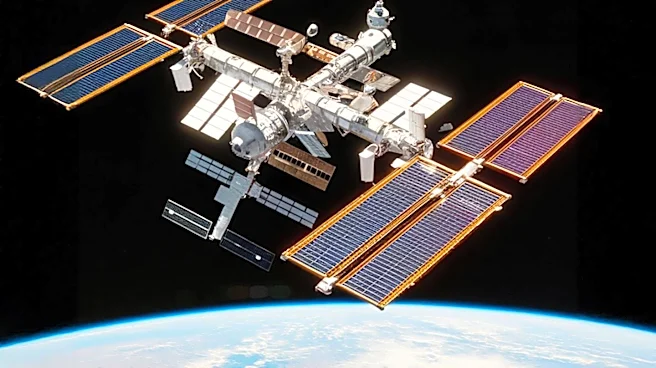
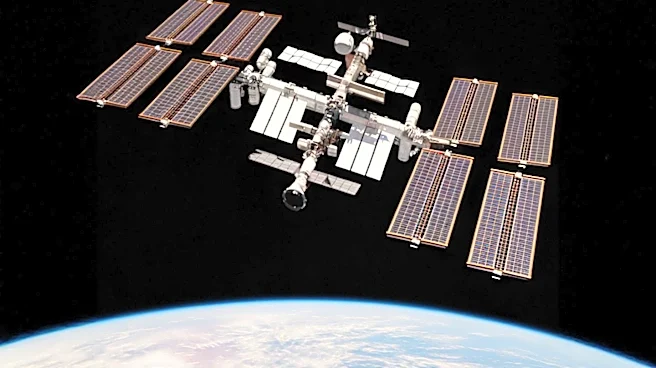
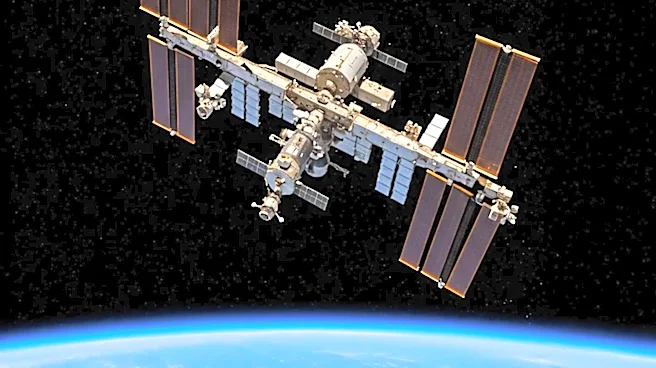
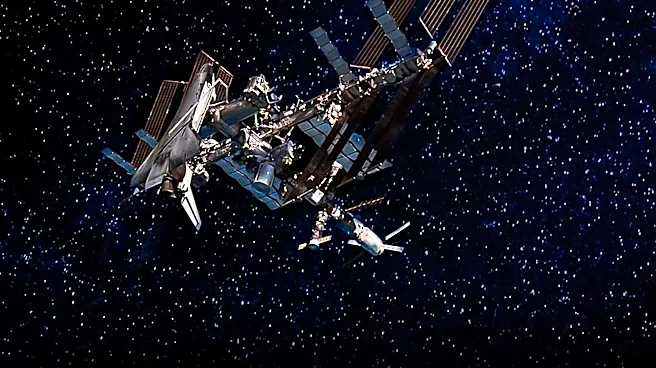
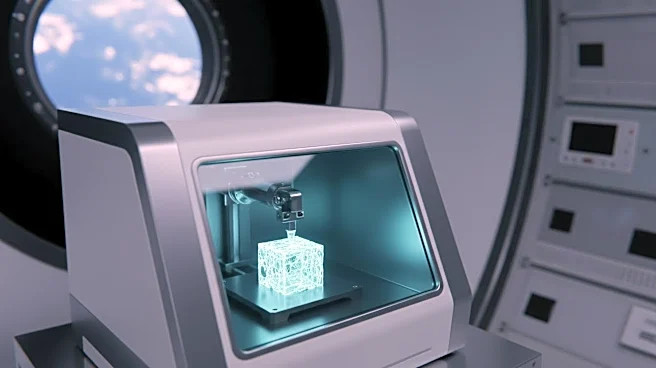
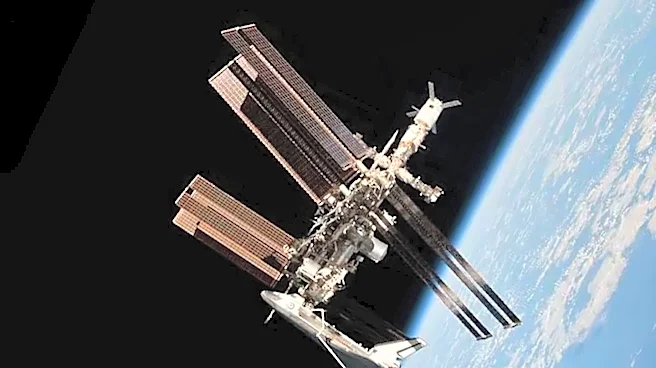
Auxilium Biotechnologies has successfully 3D-printed liver and kidney tissues aboard the International Space Station (ISS), marking a significant advancement in space-based bioprinting. This achievement is the first instance of these organ tissues being
manufactured in space. The company's AMP-1 system also produced cartilage tissue and over two dozen nerve-repair implants. According to Auxilium CEO Jacob Koffler, the mission's major milestone is the demonstration of a single machine's capability to generate various tissue types, which could pave the way for a scalable in-space bio-manufacturing industry. The system's versatility lies in its use of cartridges filled with specific bioinks, allowing for easy switching to produce different tissues. The cartridges can be stored in space for up to six months, enhancing the system's adaptability.
Why It's Important?
The development of bioprinting technology in space holds significant implications for both terrestrial and extraterrestrial applications. In the absence of gravity, cells can form into correct structures more effectively, and biological processes occur more rapidly, allowing stem cells to mature into usable organ tissues faster. This technology could revolutionize medical treatments on Earth by providing a new method for organ and tissue production, potentially reducing the wait times for transplants. Furthermore, it offers a critical solution for medical emergencies during long-duration space missions, such as those to the Moon or Mars, by enabling the on-demand printing of necessary drugs and tissues. This capability could enhance the safety and sustainability of future space exploration missions.
What's Next?
The next steps for Auxilium's bioprinting technology involve undergoing extensive medical trials and obtaining FDA approval before it can be widely used on Earth. In space, the technology is expected to play a crucial role in supporting astronauts' health during extended missions. The ability to print a variety of drugs and tissues on-demand could be vital for addressing medical emergencies in space, providing a flexible and responsive healthcare solution. As the ISS approaches the end of its operational life, the development of such technologies will be essential for future space habitats and missions.