




What's Happening?
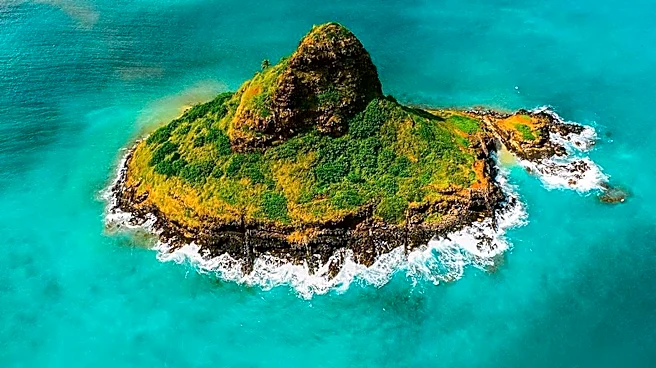
In the Hawaii real estate market, a growing trend suggests that purchasing properties in their original condition, often referred to as a 'blank canvas,' can be a more advantageous and cost-effective approach for buyers compared to acquiring already renovated
homes. This strategy allows new owners to personalize their living spaces to reflect their specific needs and tastes, rather than paying a premium for someone else's design choices. Renovations in Hawaii typically incur higher costs than on the mainland due to shipping expenses for materials, fixtures, appliances, and furnishings, as well as limited local labor availability. Despite these higher costs, a well-planned renovation on a 'blank canvas' property can lead to a home that truly aligns with the owner's desired lifestyle, whether it's a retirement home, a vacation rental, or a full-time residence. The key is to prioritize location, views, and structural integrity, as these are elements that cannot be altered through renovation.
Why It's Important?
This shift in the Hawaii real estate market is significant for both buyers and the local construction industry. For buyers, it offers an opportunity to achieve greater value and personalization, potentially avoiding the premium associated with pre-renovated properties that may not perfectly suit their preferences. This approach empowers homeowners to create spaces tailored to their unique lifestyles, whether for comfort, durability, or personal aesthetic. For the construction sector, it implies a sustained demand for renovation services, albeit with an emphasis on careful budgeting and planning due to the higher operational costs in Hawaii. The focus on 'blank canvas' properties also highlights the enduring importance of fundamental real estate attributes like location and views, reinforcing that these unchangeable factors are paramount in property valuation and buyer decision-making. This trend could also influence lending practices, with a potential increase in renovation loans for properties with good 'bones' but outdated interiors.
What's Next?
Prospective buyers in Hawaii are advised to prioritize properties with strong foundational elements and desirable locations, even if they require significant interior updates. The next steps for those considering this approach involve meticulous planning, including a realistic renovation budget that accounts for the higher costs of materials and labor in the islands. It is crucial to include contingency funds for unexpected issues that may arise during construction. Furthermore, buyers will need to engage with qualified contractors, verifying their licensing and complaint history, and obtaining detailed written scopes of work. Understanding and securing necessary permits from Hawaii County and approvals from condominium associations (if applicable) are also critical steps before any work commences. This proactive planning will be essential for a successful and cost-effective renovation project.
Beyond the Headlines
The emphasis on 'blank canvas' properties in Hawaii reflects a deeper cultural and economic dynamic within the islands' real estate market. It underscores the value placed on individuality and the desire to create a home that resonates with the unique experience of island living, rather than conforming to generic, pre-packaged designs. This trend also highlights the economic realities of an isolated market, where logistical challenges and limited resources drive up costs, making strategic planning and resourcefulness paramount. Ethically, it encourages a more sustainable approach to property development, focusing on revitalizing existing structures rather than constant new construction. This approach fosters a sense of ownership and connection to the property, transforming a house into a personalized sanctuary that truly embodies the owner's vision for their life in Hawaii, while also navigating the practicalities of a distinct economic environment.