





What's Happening?
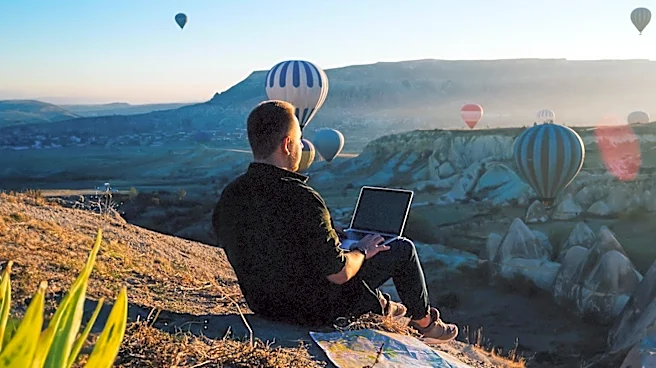
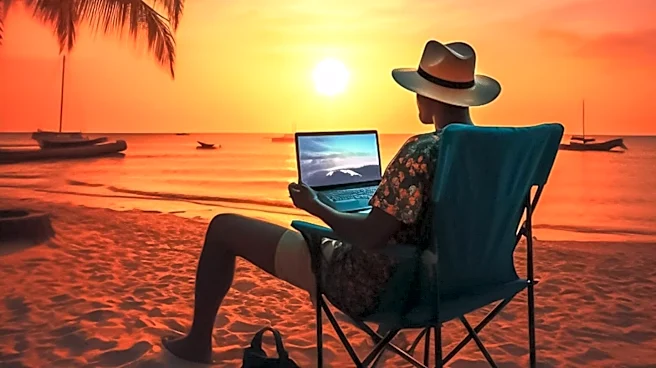
The digital nomad lifestyle, once primarily associated with solo freelancers, is now seeing a significant increase in families adopting this way of living and working remotely. This shift is driven by factors such as the rising cost of living and the increased
flexibility offered by remote work opportunities. Families are choosing to 'worldschool' their children, replacing traditional classrooms with travel experiences. For example, the Mumford family from Adelaide, Australia, transitioned to worldschooling over two years ago, moving from a demanding executive role and a busy household to living in central Vietnam, with plans to travel to South Korea and Japan. They highlight the financial benefits, such as significantly lower living costs in countries like Vietnam compared to Australia, enabling them to live comfortably on an income that would be insufficient back home. This trend is supported by a global estimate of 40 million digital nomads, with a post-pandemic surge in families joining their ranks.
Why It's Important?
This growing trend of families embracing the digital nomad lifestyle has several important implications. Economically, it can lead to a redistribution of wealth and tourism, as these families often seek out destinations with lower costs of living, potentially boosting local economies in less traditional tourist areas. Socially, it challenges conventional notions of education and family life, promoting a more experiential and globalized upbringing for children. The 'worldschooling' approach emphasizes practical learning and cultural immersion, which could foster a generation with enhanced adaptability, cross-cultural understanding, and problem-solving skills. However, it also presents challenges, such as maintaining social connections and support networks, as highlighted by some families missing their 'village.' The movement also underscores the increasing viability of remote work as a long-term career path, influencing labor markets and corporate policies globally.
What's Next?
As more families consider worldschooling, there will likely be an increased demand for resources and infrastructure tailored to their unique needs. This includes more family-friendly co-living spaces, educational support systems that align with diverse curricula, and clearer visa pathways for families. Governments and tourism boards in various countries may further adapt their policies to attract these longer-term residents, recognizing their economic contributions. The rise of online communities and social media platforms dedicated to worldschooling will continue to facilitate information exchange and support among these families. Additionally, businesses catering to this demographic, such as specialized travel agencies and educational program providers, are expected to grow. Parents considering this lifestyle are advised to start small, testing out locations for a month or two to gauge suitability before committing to long-term travel.
Beyond the Headlines
The worldschooling movement touches upon deeper societal shifts, particularly concerning the future of education and work. It questions the traditional model of schooling, suggesting that direct exposure to diverse cultures and real-world experiences can be as, if not more, valuable than conventional classroom learning. This approach could lead to a re-evaluation of educational standards and the development of more flexible, globally-oriented curricula. Ethically, it raises discussions about the balance between providing children with a stable environment and exposing them to a wide array of experiences. Culturally, it promotes a more interconnected global community, as families immerse themselves in different societies. The long-term impact on children's development, including their adaptability, language acquisition, and global citizenship, will be a significant area of study as this trend continues to evolve.