








What's Happening?
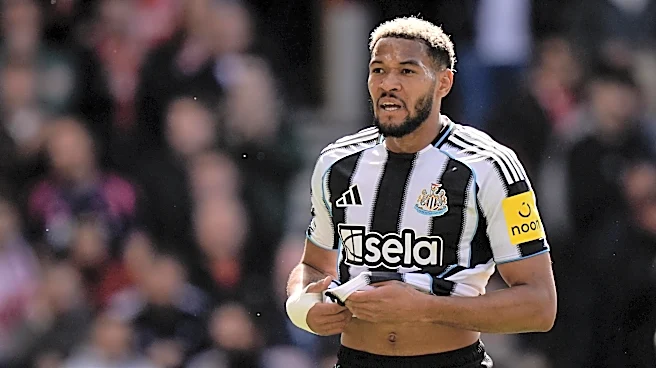
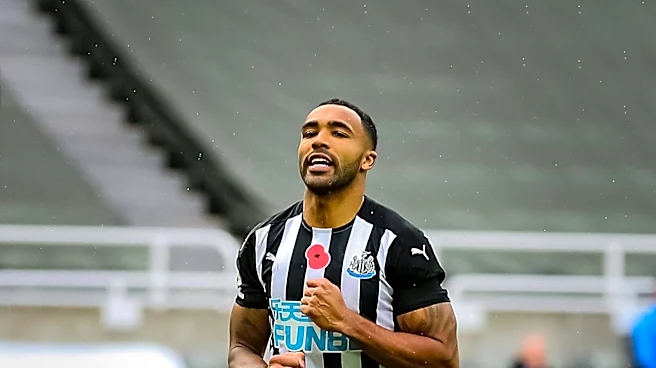
Newcastle United has announced a multi-year partnership with Coca-Cola, designating the beverage giant as the club’s official soft drinks partner and the presenting partner of St James’ STACK. This agreement is part of Newcastle United's broader strategy
to enhance its commercial operations, increase revenue streams, and extend its influence beyond traditional matchday football. While the financial terms and exact duration of the contract were not disclosed, the club described it as a global partnership. The collaboration is set to introduce various fan engagement initiatives, including live music, interactive activities, matchday giveaways, and VIP experiences at STACK throughout the season. Additionally, the partnership will involve the creation of digital content that integrates football with music and the wider cultural aspects of Newcastle. Dave O’Connor, Newcastle’s chief revenue officer, emphasized that the partnership aims to highlight the city's identity while simultaneously expanding the club's international presence. This deal follows recent extensions with BetMGM and new partnerships with KNOX, Guinness, and SumUp, further diversifying Newcastle United's commercial portfolio.
Why It's Important?
This partnership is strategically important for Newcastle United as it seeks to compete financially with the 'Big Six' clubs in English football. By securing a global brand like Coca-Cola, Newcastle United is not only bolstering its revenue but also significantly enhancing its international brand recognition. The inclusion of fan activities and digital content is designed to deepen engagement with its existing fanbase and attract new supporters globally, particularly in markets where Coca-Cola has a strong presence. For Coca-Cola, aligning with a prominent Premier League club offers a valuable platform to connect with a passionate global audience, leveraging the universal appeal of football. This type of commercial expansion is crucial for clubs aiming to grow their financial power, which in turn can support investments in player talent, infrastructure, and overall club development. The focus on the city's identity within the partnership also suggests a commitment to local community engagement, which can strengthen the club's roots while it expands its global footprint.
What's Next?
Moving forward, Newcastle United and Coca-Cola are expected to roll out the planned fan engagement activities and digital content initiatives. These will likely include specific events at St James’ STACK, promotions during matchdays, and online campaigns designed to integrate football, music, and local culture. The club will continue to pursue similar commercial partnerships to further diversify its revenue streams and strengthen its financial position. The success of this partnership will be closely monitored as a benchmark for future global brand collaborations. The increased international exposure and financial stability gained from such deals could enable Newcastle United to make more significant investments in its squad and facilities, potentially impacting its performance in domestic and international competitions. The club's chief revenue officer indicated a focus on expanding international reach, suggesting that future commercial efforts will continue to target global markets.
Beyond the Headlines
The partnership between Newcastle United and Coca-Cola reflects a broader trend in modern football where clubs are increasingly transforming into global entertainment brands rather than solely sports entities. This commercialization strategy aims to tap into diverse revenue streams beyond traditional matchday income, such as broadcasting rights and merchandise sales. The emphasis on 'culture' and 'identity' within the partnership highlights an effort to create a more holistic brand experience that resonates with a wider audience, moving beyond just the sport itself. This approach can lead to a more diversified and resilient financial model for football clubs, reducing reliance on on-field performance for financial stability. However, it also raises questions about the balance between commercial interests and the traditional values and local identity of a football club. The integration of global brands into local club culture can sometimes be met with mixed reactions from traditional fan bases, making the execution of such partnerships critical for maintaining authenticity and fan loyalty.