





What's Happening?
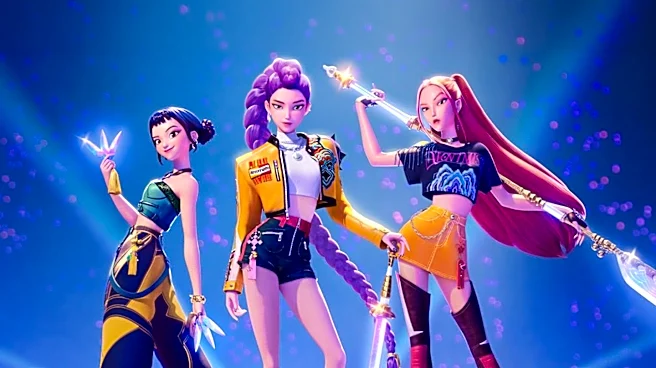
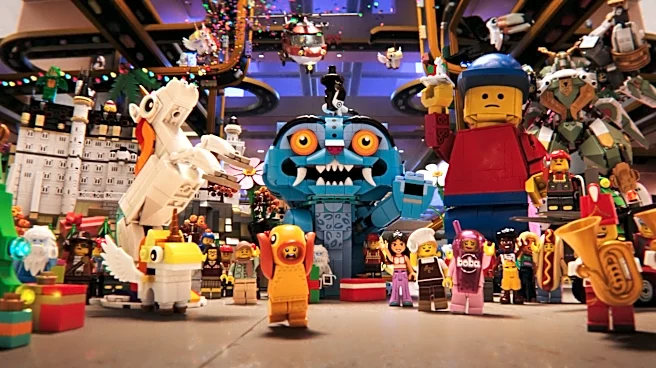
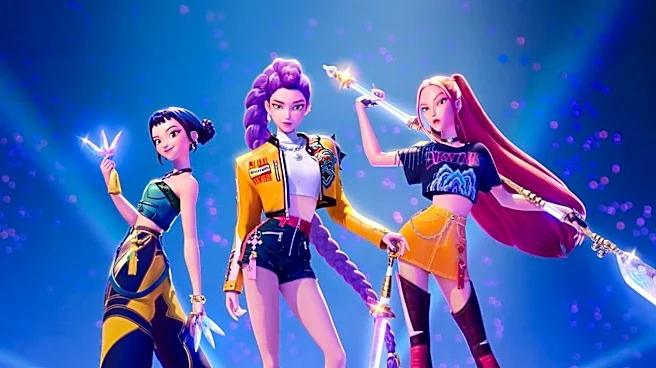
LEGO has launched a new holiday commercial that features an unexpected crossover between French electronic music duo Daft Punk and characters from Netflix's animated film 'KPop Demon Hunters.' The 74-second advertisement, directed by Michael Gracey, showcases
a small LEGO brick's journey through an imaginative workshop where various characters collaborate to create a holiday gift. Alongside Daft Punk and Derpy Tiger from 'KPop Demon Hunters,' the commercial also includes Marvel characters like Thor, Doctor Doom, and Mystique, as well as E.T. from 'E.T. the Extra-Terrestrial.' This festive campaign highlights LEGO's strategy of integrating diverse entertainment franchises into its marketing efforts.
Why It's Important?
This LEGO commercial signifies a growing trend in marketing and entertainment where major brands leverage popular intellectual properties to create broad appeal. By combining elements from music, film, and comics, LEGO aims to capture the attention of a wide demographic, from fans of electronic music and K-pop to superhero enthusiasts and classic movie buffs. This strategy not only enhances brand visibility but also fosters a sense of nostalgia and excitement among consumers. The inclusion of 'KPop Demon Hunters' reflects the increasing global influence of Korean pop culture, demonstrating its mainstream acceptance and marketability in Western advertising. For LEGO, these crossovers can drive sales by appealing to diverse fan bases and potentially introducing new audiences to their products through familiar and beloved characters.
What's Next?
The holiday commercial follows LEGO's broader partnership announcement with Daft Punk, which includes plans for products, entertainment content, and live experiences. A forthcoming LEGO Ideas set inspired by Daft Punk's 2007 Alive tour, featuring a pyramid stage, is expected to be released in 2027. This indicates a long-term strategy by LEGO to deepen its engagement with popular culture through various forms of media and merchandise. The success of such integrated campaigns could lead to more extensive collaborations between toy companies and entertainment franchises, further blurring the lines between different forms of media and consumer products. This approach allows brands to stay relevant and innovative in a competitive market by continuously offering fresh and exciting content to their audience.
Beyond the Headlines
The strategic use of diverse pop culture icons in a single advertisement like LEGO's holiday commercial points to a deeper cultural phenomenon: the increasing interconnectedness of global entertainment. This blending of seemingly disparate franchises—from electronic music to K-pop animation and classic sci-fi—reflects a consumer landscape where audiences are accustomed to and even expect cross-media experiences. It also highlights the power of intellectual property in driving commercial ventures, as brands seek to tap into established fan loyalties. The commercial's ability to create a cohesive narrative from such varied elements underscores the universal appeal of creativity and play, core tenets of the LEGO brand. This trend suggests a future where brand identities are increasingly defined by their ability to curate and integrate a wide array of cultural touchstones, fostering a sense of shared experience across diverse consumer groups.