





What's Happening?
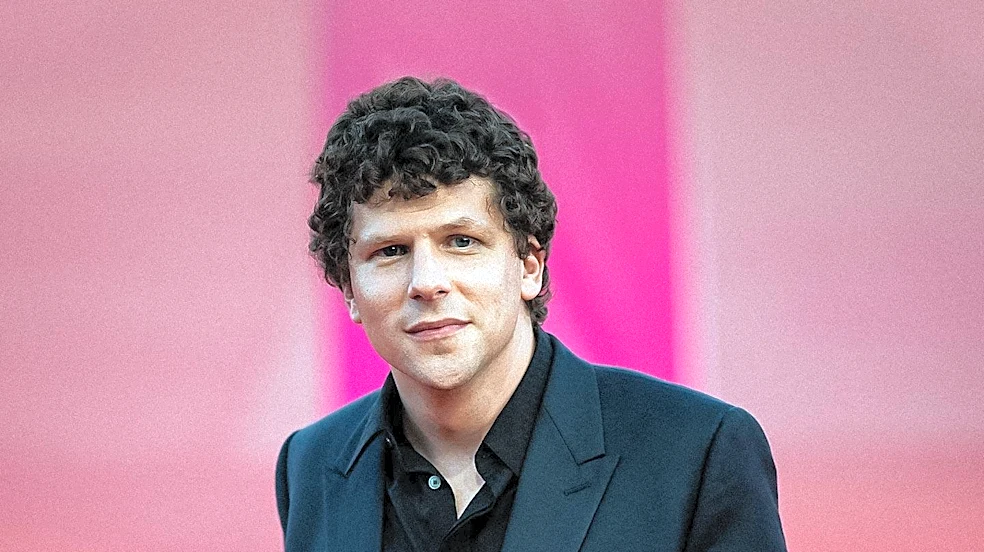
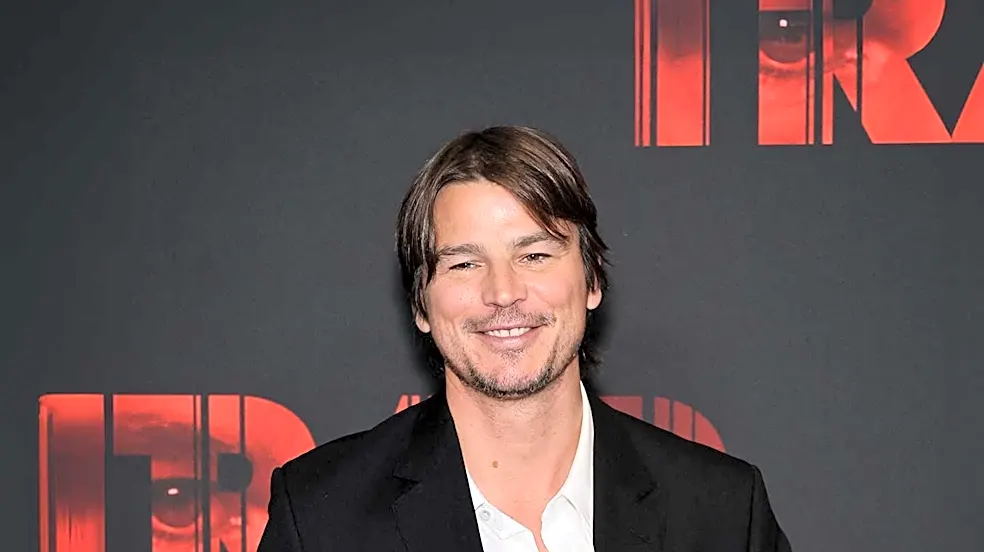
Actor Josh Hartnett has reflected on his decision to turn down the role of Superman in the early 2000s, citing a desire to avoid being defined by a single character and to maintain control over his life. Hartnett had envisioned a 'fear-based' Superman,
a concept the studio did not embrace. He also declined the role of Batman, though Christopher Nolan clarified that discussions for Batman never progressed significantly, as Hartnett was more interested in 'The Prestige.' Hartnett's career choices, including stepping back from major studio films for a period, were driven by a wish to avoid the intense scrutiny and loss of personal autonomy often associated with blockbuster franchises. He has since returned to studio work, including 'Oppenheimer,' emphasizing the importance of working with trusted individuals.
Why It's Important?
Josh Hartnett's career trajectory and his decision to decline iconic superhero roles offer a significant commentary on the pressures and trade-offs faced by actors in Hollywood. His emphasis on personal fulfillment, control over his public image, and the desire to avoid typecasting highlights a growing sentiment among some artists to prioritize artistic integrity and personal well-being over commercial success. This perspective challenges the conventional wisdom of pursuing high-profile, franchise-defining roles. His eventual return to studio films, but with a focus on trusted collaborators, suggests a more mature approach to navigating the industry, where relationships and creative alignment are valued over sheer project scale. This narrative provides insight into the evolving dynamics between actors, studios, and the demands of modern celebrity.
What's Next?
Hartnett continues to balance his career with personal life, having recently appeared in major studio films like 'Oppenheimer' and 'Trap,' and with two new releases, 'Verity' and 'Below,' in October 2026. His current approach emphasizes working with people he trusts, a strategy he adopted after earlier experiences with fame. This suggests a continued selective engagement with projects, prioritizing collaborative environments and roles that resonate with his artistic interests. His reflections indicate a sustained commitment to defining his career on his own terms, rather than being dictated by industry expectations or the allure of massive franchises. This path may see him continue to alternate between independent and studio productions, guided by his personal and professional values.
Beyond the Headlines
Hartnett's story delves into the psychological impact of early fame and the struggle for identity within the entertainment industry. His initial vision of a 'fear-based' Superman can be seen as a metaphor for his own anxieties about the overwhelming power of celebrity. The narrative touches on the ethical dimensions of media scrutiny and the challenge of maintaining a sense of self when constantly subjected to public definition. His retreat to Minnesota and subsequent return to acting with a renewed focus on community and trust speaks to a broader cultural shift towards valuing authenticity and personal connection over superficial success. This journey offers a compelling case study of an individual navigating the complex interplay between personal ambition, public perception, and the pursuit of a meaningful life in a high-pressure environment.