





What's Happening?
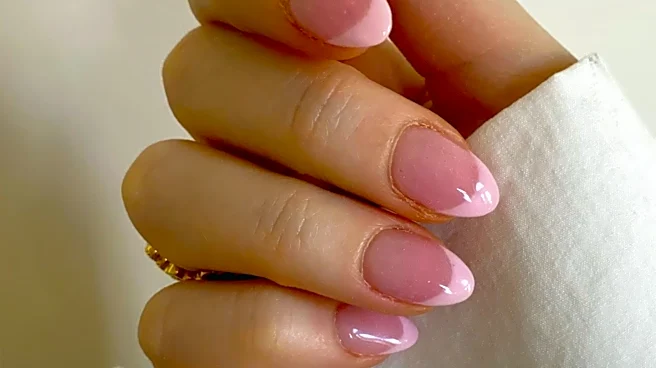
Great Britain has introduced new regulations concerning Trimethylbenzoyl Diphenylphosphine Oxide (TPO), a photoinitiator used in some gel nail polish products. This change does not constitute a ban on gel nails or imply that past manicures were unsafe.
Instead, TPO has been reclassified as toxic to reproduction, Category 1B, bringing it under prohibitions for certain cosmetic substances. The new rules require nail salons and suppliers to conduct a thorough audit of their light-cured products, including bases, builders, top coats, and colors, to identify those containing TPO. Manufacturers and importers in Great Britain can no longer place TPO-containing products on the market for the first time as of August 15, 2026. Existing stock can be sold until February 14, 2027, after which TPO-containing products may no longer be supplied or used professionally. Northern Ireland operates on a different timetable, with a full prohibition on sale, supply, or professional use of TPO-containing products starting September 1, 2025.
Why It's Important?
This regulatory shift is significant for the beauty industry, particularly for nail salons and product suppliers in Great Britain. It necessitates a comprehensive review of inventory, supplier relationships, and product formulations. Salons must accurately identify TPO-containing products, understand their specific regulatory timelines, and plan for replacements. The distinction between TPO and HEMA (2-Hydroxyethyl Methacrylate), another ingredient often discussed in relation to nail product safety, is crucial; they serve different functions and are subject to different regulations. Misinformation regarding a complete ban on gel nails or confusion between these ingredients could impact consumer confidence and salon operations. The need for precise product identification and adherence to curing instructions, which may change with reformulated products, underscores the importance of professional training and supplier transparency to ensure client safety and regulatory compliance.
What's Next?
Nail salons in Great Britain must immediately begin auditing their product stock to identify all items containing TPO. This involves meticulously checking ingredient lists, batch numbers, and supplier information. Salons should seek written confirmation from manufacturers regarding product formulations and curing instructions for both existing and new TPO-free products. They will need to manage their current TPO-containing stock, ensuring it is used or phased out by the February 14, 2027 deadline. Furthermore, salons must update their service protocols, staff training, and insurance coverage to reflect these changes. Clients may inquire about the safety of gel nails, requiring salon professionals to provide clear, accurate explanations without causing undue alarm. The transition will also involve evaluating the cost-effectiveness of maintaining a gel nail service, potentially leading some salons to streamline their offerings or invest in entirely new product systems and compatible curing lamps.
Beyond the Headlines
The new TPO regulations highlight a broader trend in cosmetic safety toward stricter control over ingredients classified as reproductive toxicants. This move reflects an evolving understanding of chemical safety and consumer protection within the beauty industry. Beyond immediate compliance, this situation encourages greater transparency from manufacturers regarding product ingredients and their potential effects. It also emphasizes the critical role of professional education in the beauty sector, as technicians must understand complex chemical information and regulatory requirements to ensure safe practices. The differing timelines between Great Britain and Northern Ireland also underscore the complexities of post-Brexit regulatory divergence, creating challenges for businesses operating across both regions. This event could set a precedent for future ingredient-specific regulations, prompting ongoing vigilance and adaptation within the cosmetics industry.