


What's Happening?
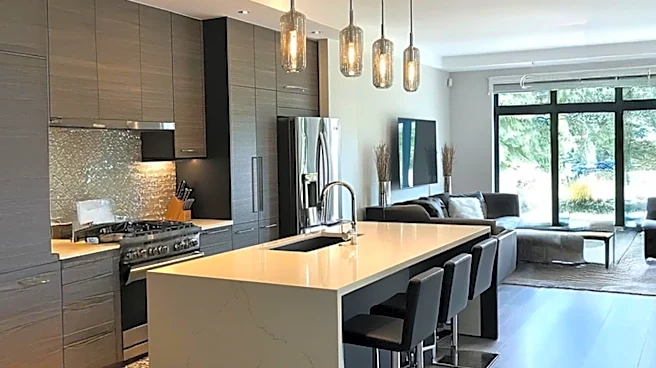
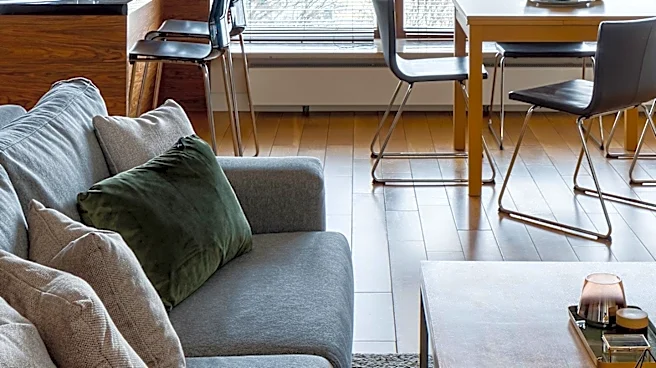
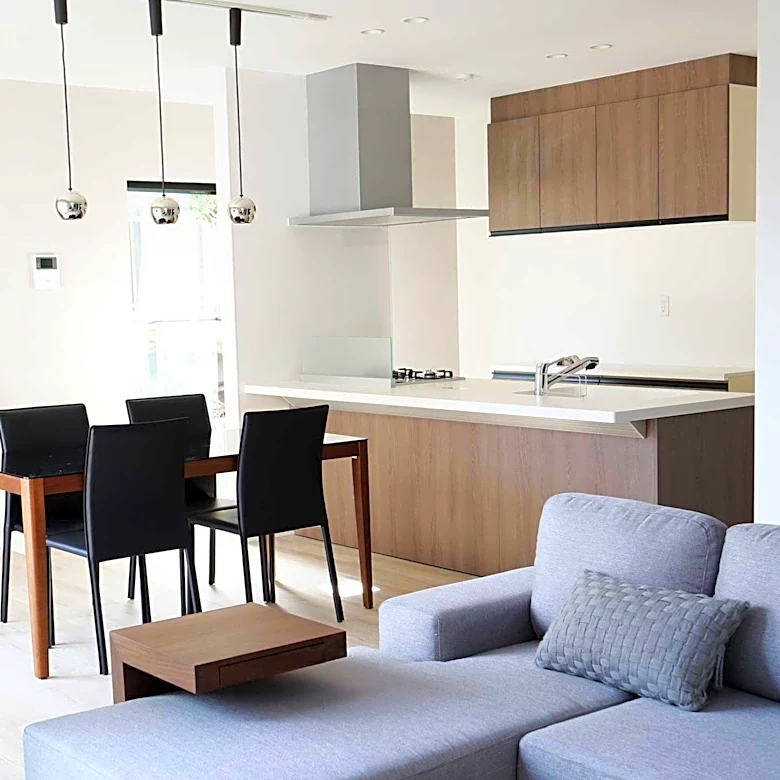
Feng Shui principles are being applied to small apartment design to improve 'flow,' which refers to the ease of movement and functionality within a compact living space. This approach focuses on creating clear routes, optimizing storage, and managing
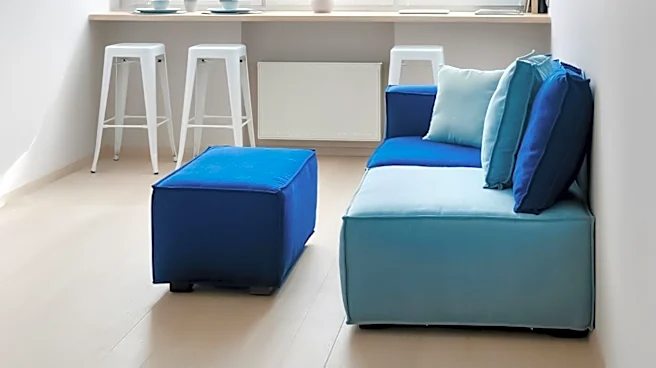
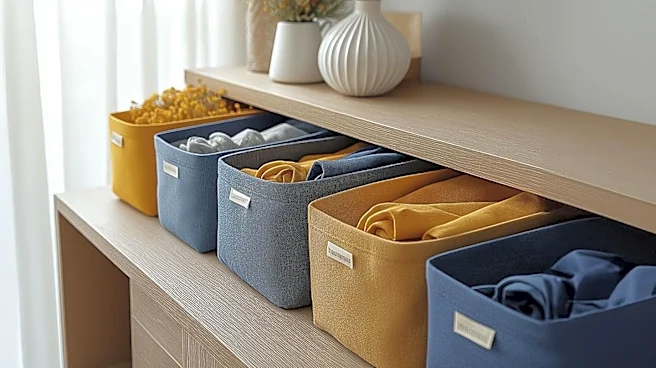
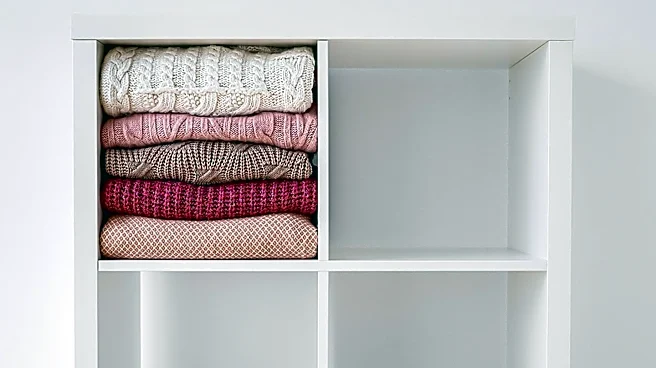
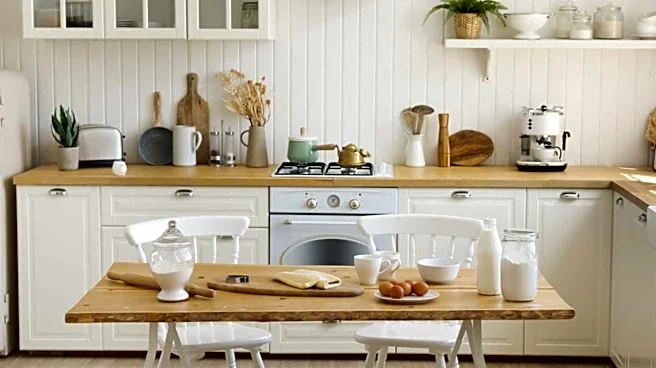
light and air circulation. Key recommendations include establishing a primary clear path, creating a landing zone at the entry, and selecting appropriately scaled furniture. Vertical storage is encouraged to free up floor space, with frequently used items placed between shoulder and hip height. Additionally, maintaining an open kitchen work lane and ensuring a readable approach to the bathroom are emphasized. The goal is to make small apartments feel settled and functional without being cluttered, by addressing practical aspects like circulation, clearance, and visual calm.
Why It's Important?
The application of Feng Shui in small apartment design is important for urban dwellers and those in compact living situations, as it directly impacts daily comfort and efficiency. By optimizing space and flow, residents can experience reduced stress and improved well-being. This approach offers practical solutions for common challenges in small spaces, such as obstructed pathways, inadequate storage, and poor lighting. For the real estate and interior design industries, these principles provide a framework for creating more livable and appealing small-scale housing units, potentially increasing market value and tenant satisfaction. The emphasis on functionality and clear movement can also contribute to safer living environments by reducing obstacles and improving accessibility within the home.
What's Next?
As awareness of the benefits of optimized small living spaces grows, there may be an increased demand for interior designers and architects specializing in Feng Shui-inspired layouts for compact apartments. Property developers might integrate these principles into their designs to attract a broader market segment. Educational resources and workshops on applying Feng Shui to small spaces could become more prevalent, empowering individuals to implement these changes themselves. Furthermore, the market for space-saving furniture and modular storage solutions designed with these principles in mind is likely to expand, offering consumers more options to enhance their living environments.
Beyond the Headlines
Beyond the immediate practical benefits, the adoption of Feng Shui principles in small apartment design reflects a broader cultural shift towards mindful living and intentional space creation. It highlights a growing recognition that our physical environment significantly influences our mental and emotional states. This trend also underscores a move away from purely aesthetic design towards a more holistic approach that prioritizes functionality, comfort, and well-being. The emphasis on 'flow' can be seen as a metaphor for a desire for smoother, less obstructed lives, even in the confines of urban living. It also challenges conventional notions of luxury, suggesting that true comfort can be found in optimized, harmonious spaces rather than just large ones.