



What's Happening?
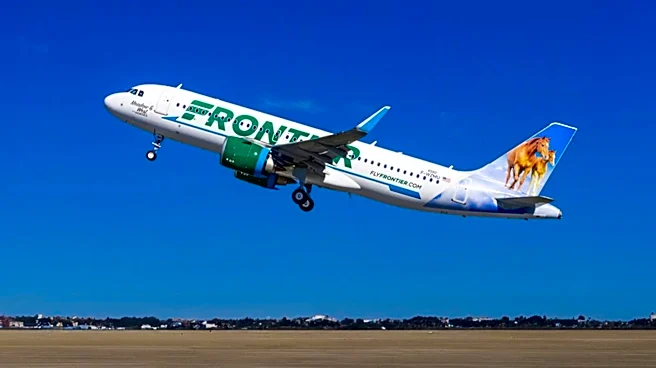
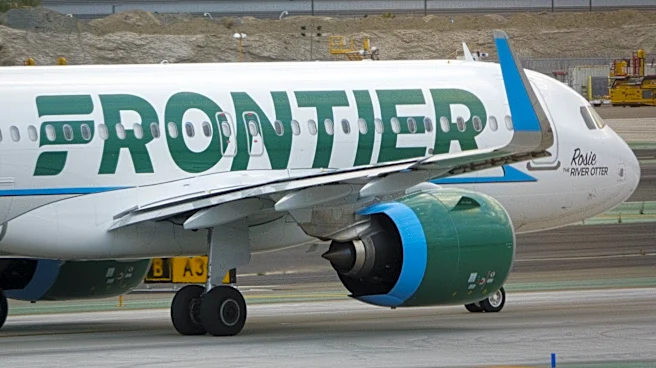
Frontier Airlines has introduced its 2027 GoWild Annual Pass, priced at $399 for most customers and $349 for eligible Discount Den members. This pass offers unlimited travel on qualifying flights through December 31, 2027. According to a press release,
passholders can book flights for one cent per segment, in addition to taxes, fees, and other charges. A significant change for the 2027 pass is the elimination of blackout dates, making travel more flexible. Domestic flights can be booked one day prior to departure, while international flights require a 10-day advance booking. Seats are subject to availability, and additional charges may apply for travel on designated peak days or for early booking. James Fenner, Frontier’s chief revenue officer, stated that the goal is to make the GoWild Pass easier to use by removing blackout dates and expanding early booking options. Current 2026-27 passholders have the option to renew for $499, extending their pass through December 31, 2028, a limited-time offer compared to the standard renewal price of $699. Passholders can also earn miles and Elite Status points on the pass purchase and on extras like bundles, bags, and seat assignments.
Why It's Important?
This new GoWild Annual Pass from Frontier Airlines is significant for the U.S. travel industry and consumers seeking budget-friendly travel options. The removal of blackout dates for the 2027 pass enhances its value proposition, potentially attracting a broader range of travelers who previously found blackout restrictions limiting. This move could intensify competition among low-cost carriers, pushing other airlines to re-evaluate their loyalty programs and pricing strategies to retain or attract customers. For consumers, especially those with flexible schedules or a high frequency of travel, the pass offers substantial savings on airfare, making domestic and international travel more accessible. The ability to book flights for just one cent per segment, plus taxes and fees, represents a considerable reduction in travel costs. The inclusion of earning miles and Elite Status points on pass purchases and ancillary services also adds an incentive for customer loyalty, potentially increasing Frontier's market share in the leisure travel segment. The expanded early booking options further cater to travelers who prefer to plan their trips in advance, balancing the spontaneous travel aspect of the pass.
What's Next?
Looking ahead, Frontier Airlines plans to enhance the in-flight experience for its passengers. The airline intends to begin adding Starlink Wi-Fi and in-seat power in the first eight rows of its aircraft starting in 2027. This upgrade could significantly improve passenger comfort and connectivity, making longer flights more appealing. Reservations for First Class and Premium seats on flights beginning March 5, 2027, are already open, indicating a forward-looking approach to service offerings. The success of the 2027 GoWild Annual Pass, particularly with the removal of blackout dates, will likely influence future iterations of the program and potentially inspire similar offerings from competing airlines. The airline's strategy to combine unlimited travel with improved amenities aims to solidify its position in the low-cost travel market. The immediate availability of travel for passholders and the opening of reservations through August 16, 2027, suggest a proactive approach to managing demand and capacity for the upcoming travel periods. The renewal options for existing passholders also indicate a focus on retaining its current customer base.
Beyond the Headlines
The introduction of the 2027 GoWild Annual Pass with no blackout dates by Frontier Airlines could signal a broader shift in how budget airlines approach customer loyalty and pricing models. By offering such an aggressive unlimited travel pass, Frontier is not just selling flights but a lifestyle of accessible travel, which could resonate deeply with a segment of the population eager for more spontaneous and affordable adventures. This strategy might also push the boundaries of traditional airline revenue models, potentially leading to increased reliance on ancillary fees for profitability, such as baggage, seat selection, and now, in-flight Wi-Fi and power. The move could also have environmental implications, as increased air travel, even at lower costs, contributes to carbon emissions, raising questions about the sustainability of such aggressive pricing strategies in the long term. Furthermore, the emphasis on immediate travel and expanded booking windows caters to both last-minute adventurers and planners, broadening the appeal of the pass and potentially democratizing air travel for a wider demographic.