


What's Happening?
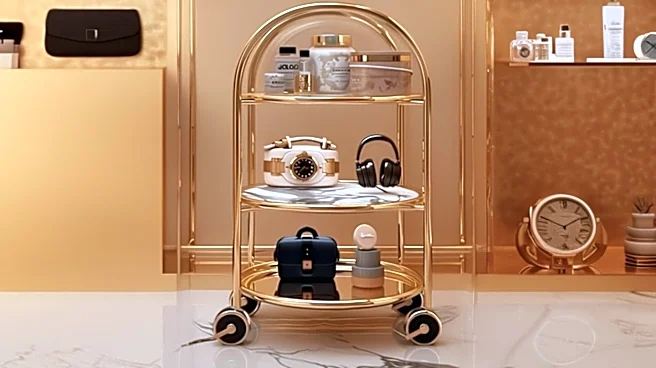
Royal Art – Sculpted Luxury has opened its first exclusive showroom in Sharjah, UAE, to meet the increasing demand for high-end, stone-crafted luxury furniture and artistic creations. The showroom features an extensive collection of items made from natural
gemstones sourced globally, including coffee tables, side tables, luxurious beds, and decorative cabinets. This launch coincides with a significant boom in the UAE's luxury market, particularly in real estate, where homes selling above US$10 million have surged from 30 properties in 2020 to over 500 per year by the end of 2025. Dubai alone recorded 412 luxury homes sold above US$10 million from January to September 2026, totaling approximately US$6.67 billion. This growth is fueled by a substantial influx of High-Net-Worth Individuals (HNWIs) and net-millionaires migrating to the UAE, with the millionaire population growing by 98 percent over the past decade. Amit Khaitan, Founder of Royal Art, stated that the company aims to bring the richness of natural gemstones into everyday living, transforming functional furniture into works of art.
Why It's Important?
While the immediate impact is on the UAE market, the expansion of ultra-luxury brands like Royal Art reflects a global trend of increasing wealth concentration and demand for bespoke, high-value goods. For U.S. luxury goods manufacturers and designers, this signals a robust international market for unique, artisanal products. U.S. companies in the luxury furniture, interior design, and art sectors could find opportunities for export or collaboration in regions experiencing such rapid growth in high-net-worth populations. The trend also highlights the evolving definition of luxury, moving towards unique, handcrafted pieces that serve as both functional items and investment art. This could influence U.S. consumer preferences, potentially increasing demand for similar high-craftsmanship items domestically. Furthermore, the influx of HNWIs into the UAE, a global hub, could indirectly affect investment patterns and luxury consumption trends worldwide, including in the U.S., as these individuals often have diversified portfolios and residences.
What's Next?
Royal Art plans to use the UAE as a launchpad for further expansion into the broader Middle East market, where similar demand for luxury products is anticipated. The company will likely continue to innovate in its designs, incorporating diverse gemstones and sculptural techniques to cater to an elite clientele. The success of Royal Art and the broader luxury market in the UAE could encourage other international luxury brands, including those from the U.S., to establish a stronger presence in the region. We may also see increased competition in the ultra-luxury furniture sector, driving further innovation in materials, design, and craftsmanship. The continued migration of HNWIs to the UAE suggests sustained growth in demand for luxury real estate and associated high-end furnishings, creating a dynamic market for years to come.
Beyond the Headlines
The rise of ultra-luxury markets, exemplified by Royal Art's expansion, raises deeper questions about wealth distribution and consumption patterns globally. Ethically, it prompts discussions on the responsible sourcing of natural gemstones and the environmental impact of their extraction and processing. Companies like Royal Art will face increasing scrutiny regarding their supply chain transparency and sustainability practices. Culturally, the demand for such opulent items reflects a desire for status, heritage, and unique artistic expression among the ultra-wealthy, potentially influencing broader aesthetic trends in luxury design. Legally, the trade in precious materials and high-value art furniture involves complex international regulations, including those related to import/export duties, authenticity verification, and anti-money laundering measures. This trend also highlights the growing importance of art and design as investment assets, blurring the lines between functional objects and collectible art, a shift that could have long-term implications for the global art market and luxury goods industry.