




What's Happening?
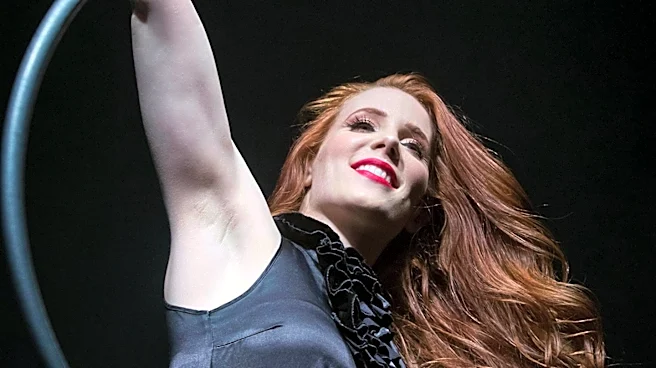
Rumors regarding Florence Welch, the lead singer of Florence + The Machine, and her romantic partners frequently surface in tabloids and fan forums. These speculations often blur the line between fact and unverified gossip. Social media plays a significant
role in amplifying both official statements and unverified information, making it challenging for the public to distinguish truth. Posts depicting Florence Welch at events with men have historically led to headlines suggesting new romances, which then fade when no further evidence emerges. The public's intense interest in Welch's personal life is closely tied to the emotional depth and themes of struggle, redemption, and vulnerability explored in her music, such as 'Shake It Out' and 'Dog Days Are Over'. This ongoing fascination often leads audiences and media to amplify any hint of a romantic story, integrating it into the broader narrative of her artistry. The cycle of speculation typically begins with a photograph, often taken from a distance, followed by online communities analyzing the image and proposing narratives based on limited visual clues. Celebrity news outlets then report this speculation as fact, citing anonymous sources, only for the story to recede without corroboration until a similar situation arises.
Why It's Important?
The persistent speculation surrounding Florence Welch's romantic life highlights broader issues within the music industry and celebrity journalism. It underscores how female artists are often subjected to different standards than their male counterparts, with an expectation to be both accessible and enigmatic, private yet constantly visible. This dynamic can place undue pressure on artists, reducing their multifaceted identities to simplified narratives focused on their relationship status rather than their artistic contributions. The media's tendency to prioritize sensationalism over evidence, and the public's appetite for intimate details of celebrity life, contribute to this cycle of unverified rumors. This can overshadow the craftsmanship and profound themes within Welch's music, diverting attention from her creative expression and advocacy for mental health. The interpretation of her lyrics, which often use intimate language, as autobiographical further fuels these speculations, allowing listeners to project their own stories onto her work and, consequently, onto her private life. This phenomenon impacts how artists' work is perceived and can influence their public image and mental well-being.
What's Next?
The cycle of speculation surrounding Florence Welch's relationships is likely to continue as long as there is public interest and media outlets willing to report on unverified rumors. As Welch maintains her discretion regarding her personal life, the gaps in information will likely continue to be filled by speculation within celebrity news ecosystems. Future public appearances or social media posts, even those without romantic intent, could trigger new rounds of rumors. The challenge for audiences will remain in appreciating her music without reducing it to a backdrop for personal drama. For journalists, responsible reporting will continue to require a commitment to transparency about sources and an awareness of how speculation can affect an artist's well-being. The ongoing fascination with her relationship status will likely persist, reflecting a broader cultural appetite for intimate details of celebrity life, rather than necessarily indicating any confirmed romantic developments.
Beyond the Headlines
The enduring narrative around Florence Welch's romantic life reveals deeper cultural and ethical implications within celebrity culture. It highlights the ethical responsibility of media outlets to distinguish between confirmed information and speculation, and the potential harm that unverified gossip can inflict on an individual's privacy and public perception. The phenomenon also underscores the societal tendency to reduce complex female artists to their relationship status, often overlooking their artistic achievements and personal agency. This can perpetuate a narrow view of female identity in the public eye, where personal relationships are often deemed more newsworthy than professional accomplishments. Furthermore, Welch's deliberate separation between her personal experiences and artistic output, as she noted in a 2018 interview, emphasizes the importance of solitude for creative expression. This approach challenges the constant demand for transparency from public figures and advocates for the right to privacy, even for those in the spotlight. The ongoing conversation about her relationships serves as a case study in how celebrity journalism and public consumption of media can impact an artist's ability to control their narrative and protect their personal space.