





What's Happening?
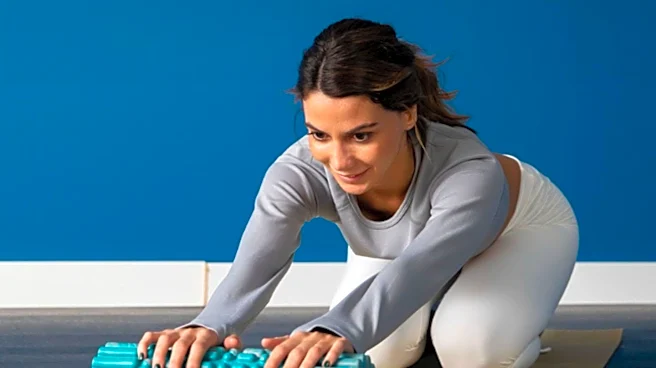
Foam rolling is a self-myofascial release technique that utilizes a foam roller to massage and alleviate muscle tension. This method does not physically break up adhesions or 'knots' within the muscles. Instead, it influences how tense a muscle feels
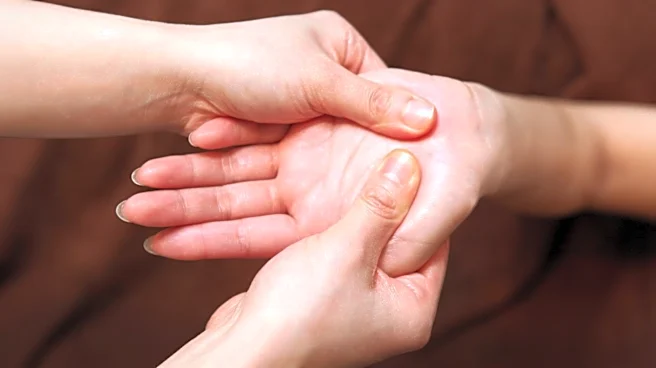
and the range of motion a joint can achieve post-application. The primary benefits reported include easier movement, reduced next-day soreness, and a general feeling of looseness in tight areas. While foam rollers are typically employed for broad, rhythmic movements across larger muscle groups, specialized self-myofascial release therapy balls are available for more targeted, sustained pressure on smaller areas, particularly around bony prominences. The technique is rooted in the understanding that fascia, the connective tissue, is densely supplied with nerve endings, and its stiffness is governed by the nervous system's perception of safety. Gentle, sustained pressure, rather than aggressive force, is suggested to signal safety to the nervous system, thereby reducing muscle tone and allowing the fascia to release.
Why It's Important?
The widespread adoption of foam rolling and similar self-myofascial release techniques highlights a growing public interest in accessible, non-pharmacological methods for managing muscle pain and improving physical well-being. For U.S. consumers, this trend translates into a burgeoning market for fitness equipment and related instructional content. The emphasis on the neurological aspect of muscle tension, rather than solely mechanical, could shift approaches in physical therapy and personal training, potentially leading to more effective and less painful recovery strategies. Individuals suffering from chronic muscle tightness or limited mobility stand to gain from these insights, as traditional methods like aggressive stretching or deep tissue massage may inadvertently cause the body to brace further. This understanding could empower individuals to take a more active and informed role in their physical health, reducing reliance on professional interventions for everyday discomfort.
What's Next?
The continued research into fascia and its neurological connections is likely to refine self-myofascial release techniques further. Future developments may include more specialized tools, personalized programs based on individual neurological responses, and integration of these methods into broader wellness and rehabilitation protocols. Educational initiatives for both fitness professionals and the general public will be crucial to disseminate accurate information about effective techniques, emphasizing gentle, sustained pressure over forceful manipulation. The market for foam rollers, therapy balls, and related instructional materials is expected to grow, with an increasing focus on evidence-based practices that prioritize the body's nervous system response. This could lead to a more holistic approach to muscle health, moving beyond simply treating symptoms to addressing the underlying neurological factors contributing to tension.
Beyond the Headlines
The shift in understanding muscle tension from a purely mechanical problem to one significantly influenced by the nervous system has profound implications. It challenges the common 'no pain, no gain' mentality often associated with fitness and recovery, suggesting that gentler, more mindful approaches can be more effective. This perspective aligns with a broader cultural movement towards holistic health and well-being, where the mind-body connection is increasingly recognized. Ethically, it underscores the importance of informed practice, ensuring that individuals are not subjected to painful or counterproductive treatments based on outdated understandings of physiology. Legally, this evolving knowledge could influence standards of care in physical therapy and sports medicine, potentially leading to new guidelines for practitioners. Culturally, it promotes a more compassionate relationship with one's own body, encouraging listening to its signals rather than forcing it into submission, fostering long-term health and resilience.