






What's Happening?
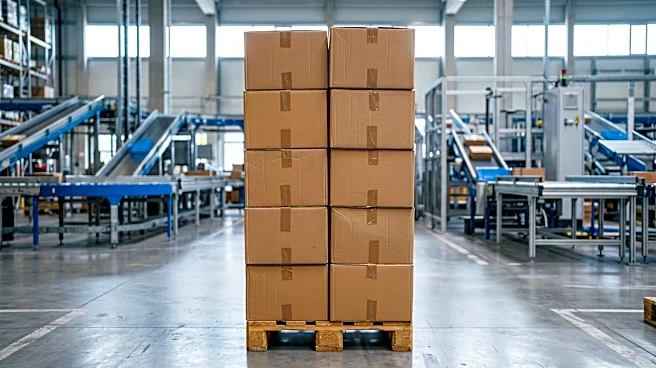
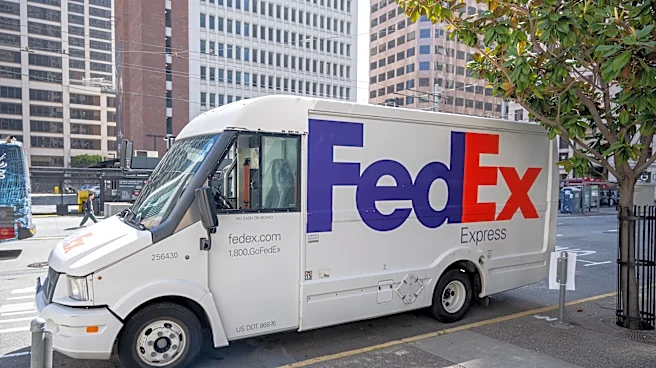
FedEx Express has outlined its packaging guidelines, emphasizing the importance of using appropriate boxes for shipping. The company provides free, heavy-duty corrugated fiberboard packaging designed to withstand transit rigors, including sorting machinery
and pressure differentials. Shippers are advised that using FedEx Express branded boxes for non-Express services or misusing specialized containers can lead to billing adjustments or delivery issues. Each official FedEx Express box is rated for specific stacking strengths and bursting tests, and customers should inspect boxes for damage before use. The packaging system is divided into free carrier-supplied options for specific service levels and custom packaging provided by the shipper. Utilizing official FedEx Express packaging can streamline pricing, as many boxes fall under flat-rate tiers, provided weight limits are respected. The maximum weight allowed for most standard FedEx Express boxes is up to 50 pounds, though some smaller boxes have recommended limits between 10 to 30 pounds. Exceeding 50 pounds necessitates a heavy-weight sticker and may require transitioning to freight or specialized heavy-duty container options. Turning a FedEx Express box inside out is strictly prohibited as it compromises structural integrity and violates terms of service.
Why It's Important?
Adhering to FedEx Express packaging standards is crucial for businesses and individuals to ensure the safe and efficient delivery of goods. Proper packaging prevents transit delays, avoids additional charges due to dimensional weight penalties, and ensures compliance with carrier terms of service. For businesses, this means reducing the risk of damaged goods, customer dissatisfaction, and potential financial losses from claims or re-shipments. The guidelines help shippers select the correct box size, which prevents internal shifting of contents and minimizes the need for excessive void fill, thereby optimizing shipping costs and protecting items. Understanding the weight limits and the prohibition against altering official packaging helps avoid shipment rejections or relabeling fees, which can impact delivery timelines and operational efficiency. The distinction between free carrier-supplied packaging and custom options also allows shippers to make informed decisions based on cost structures, item vulnerability, and branding needs, directly affecting their logistics strategies and overall profitability.
What's Next?
Shippers utilizing FedEx Express services will need to continue to adhere to these packaging guidelines to ensure smooth operations. Businesses should regularly review their packing procedures to align with FedEx's specifications, especially concerning weight limits and box integrity. As shipping demands evolve, FedEx may update its packaging requirements or introduce new box types, necessitating ongoing awareness from its customers. Shippers should also stay informed about dimensional weight calculations, particularly for custom packaging, as these can impact billing. Continued vigilance in selecting the correct packaging, applying proper sealing techniques, and accurately declaring contents will be essential for avoiding surcharges and ensuring timely deliveries. For high-volume shippers, consulting with FedEx account representatives for enterprise shipping audits or packaging consultations could become a regular practice to optimize their logistics and minimize potential issues.
Beyond the Headlines
The detailed packaging guidelines from FedEx Express highlight a broader industry trend towards optimizing logistics through standardization and compliance. This emphasis on structural integrity and proper usage reflects the increasing complexity of global supply chains and the need for robust packaging to withstand automated sorting and varied environmental conditions during transit. The prohibition against altering official packaging, such as turning boxes inside out, underscores the legal and safety implications tied to carrier terms of service, which often include regulations for hazardous materials and handling icons. This level of detail also points to the significant financial impact that improper packaging can have on both carriers and shippers, from increased damage claims to operational inefficiencies. Ultimately, these guidelines contribute to the overall reliability and security of the shipping ecosystem, influencing how businesses manage their inventory, protect their products, and maintain customer trust in an increasingly e-commerce-driven economy.