








What's Happening?
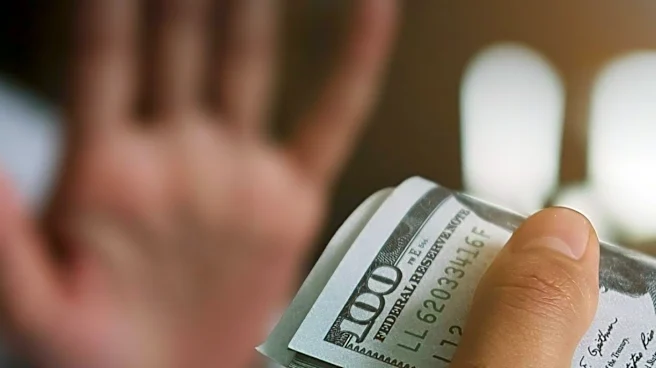
A Staten Island businessman, Mazen Dayem, has filed an amended complaint seeking compensation from the city government and Cushman & Wakefield. Dayem alleges he lost an $8 million real estate contract after refusing to pay a $250,000 bribe. The lawsuit
claims that former city real estate head Jesse Hamilton and Cushman Vice Chairman of Brokerage Sales Diana Boutross attempted to extort the bribe for business with the city government, subsequently cutting Dayem out of deals when he refused. The amended complaint, filed this month, adds the city government and Cushman & Wakefield as defendants, along with new claims that the building's owners breached their contract by working directly with Boutross. Dayem is now seeking up to $52 million in compensation from the brokerage, Boutross, Cushman Executive Vice Chairman Gus Field, Hamilton, the building’s owners, and the city government for the alleged breach of contract. This suit follows previous allegations of corruption within the agency overseeing NYC government’s real estate department during Mayor Eric Adams' administration, which led to indictments against Hamilton and another Adams aide last year.
Why It's Important?
This lawsuit highlights significant concerns regarding transparency and ethical conduct within New York City's real estate dealings, particularly those involving city agencies and major commercial real estate firms. The allegations against a prominent firm like Cushman & Wakefield and former city officials could erode public trust in government contracts and the integrity of the real estate market. If proven, the claims of bribery and contract interference could lead to stricter oversight and regulatory changes for how city agencies engage with real estate brokers and property owners. For businesses and individuals seeking to work with the city, such incidents create an environment of uncertainty and potential unfair practices, potentially deterring legitimate enterprises. The case also underscores the financial risks involved for those who refuse to participate in alleged corrupt schemes, as Dayem claims to have lost a substantial contract and is now seeking significant compensation.
What's Next?
The lawsuit will proceed through the legal system, with Dayem's attorneys pushing for accountability from both the city and Cushman & Wakefield. The defendants, including the city government and Cushman & Wakefield, are expected to respond to the amended complaint. The outcome of this case could set precedents for how allegations of corruption in public-private partnerships are handled and may influence future contracting processes within New York City. It could also prompt internal investigations and policy reviews within Cushman & Wakefield regarding employee conduct and oversight. The legal proceedings may also shed further light on the broader corruption allegations that have surfaced within Mayor Eric Adams' administration concerning the city's real estate department.
Beyond the Headlines
The deeper implications of this case extend beyond the immediate financial and legal ramifications. It raises questions about the systemic vulnerabilities to corruption within large-scale government contracting and the potential for individuals in positions of power to exploit their roles for personal gain. The alleged involvement of a major real estate firm like Cushman & Wakefield suggests a need for enhanced due diligence and ethical compliance mechanisms across the industry when dealing with public sector clients. Furthermore, the case could spark a broader public discourse on accountability for both public officials and private entities in instances of alleged misconduct, potentially leading to calls for more robust whistleblower protections and independent oversight bodies to safeguard against such practices in the future.