





What's Happening?
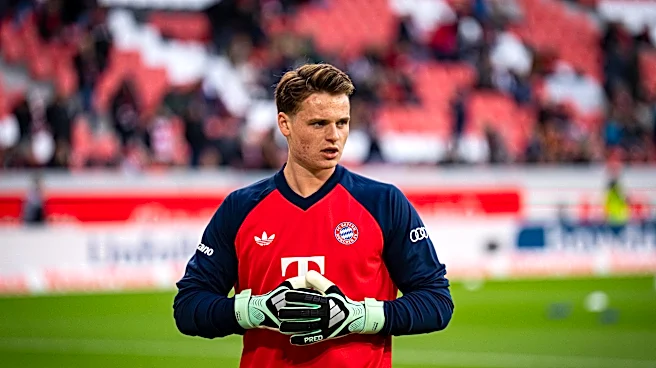
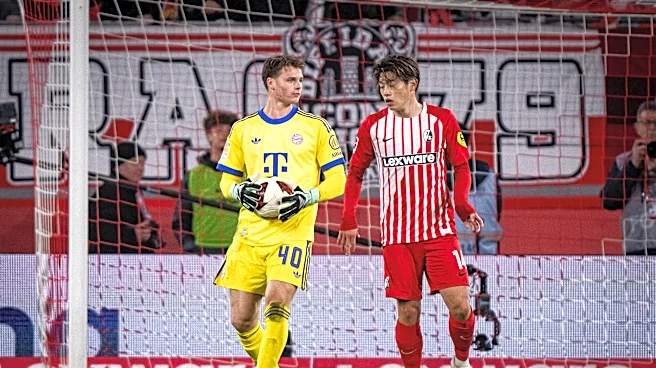
Bayern Munich is reportedly placing significant trust in Jonas Urbig to become the club's future primary goalkeeper. According to Sport Bild journalists Julian Agardi and Heiko Niedderer, the club believes Urbig has the potential to outperform even established
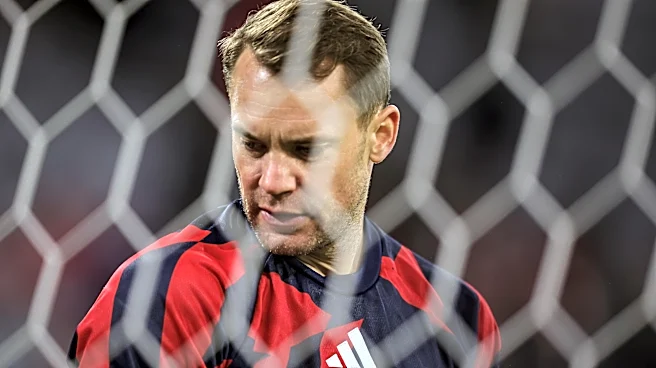
elite goalkeepers. This confidence suggests Bayern Munich is prepared to invest in developing Urbig rather than seeking an expensive, established goalkeeper to immediately compete for the starting position. The club's strategy indicates that Urbig is viewed not merely as a promising backup but as the long-term successor to Manuel Neuer. This approach reflects a commitment to internal talent development and a belief in Urbig's capabilities to meet the high standards set by his predecessor.
Why It's Important?
This decision by Bayern Munich highlights a strategic shift in how top-tier football clubs manage their goalkeeping positions, prioritizing long-term development over immediate high-cost acquisitions. For the U.S. sports landscape, this could influence youth development programs and scouting strategies, emphasizing the cultivation of talent from within rather than solely relying on the transfer market. It also underscores the increasing value placed on a goalkeeper's potential and adaptability, rather than just current performance. This approach could inspire U.S. soccer academies and professional clubs to invest more in nurturing young talent, potentially leading to a more sustainable and cost-effective player development model. The success or failure of Urbig in this role could serve as a case study for clubs globally, including those in the U.S., on the efficacy of such a long-term investment strategy.
What's Next?
The immediate focus will be on Urbig's continued development and performance in upcoming matches and training sessions. Bayern Munich will likely provide him with opportunities to gain experience and solidify his position within the squad. The club's management and coaching staff will closely monitor his progress, especially as he aims to fill the shoes of a legendary figure like Manuel Neuer. Should Urbig consistently perform at a high level, it would validate Bayern's strategy and potentially lead to a new contract or increased playing time. Conversely, any struggles could prompt a re-evaluation of their long-term plans, though the current reports suggest strong confidence in his abilities. The transfer market in upcoming windows will also be a key indicator of whether Bayern maintains its current stance or seeks external options if Urbig's development does not meet expectations.
Beyond the Headlines
Beyond the immediate sporting implications, Bayern Munich's decision to back Urbig reflects a broader trend in professional sports towards sustainable talent management. This strategy can foster greater club loyalty and a stronger sense of identity, as players developed within the system often resonate more with the fanbase. Ethically, it promotes a meritocratic environment where potential and hard work are rewarded, rather than solely relying on financial power to acquire established stars. Culturally, it reinforces the idea of a club's legacy and continuity, with one generation of players seamlessly transitioning to the next. This long-term vision, if successful, could set a precedent for other major clubs, influencing how they approach player recruitment and development, and potentially shifting the focus from short-term gains to enduring success built on homegrown talent.