





What's Happening?
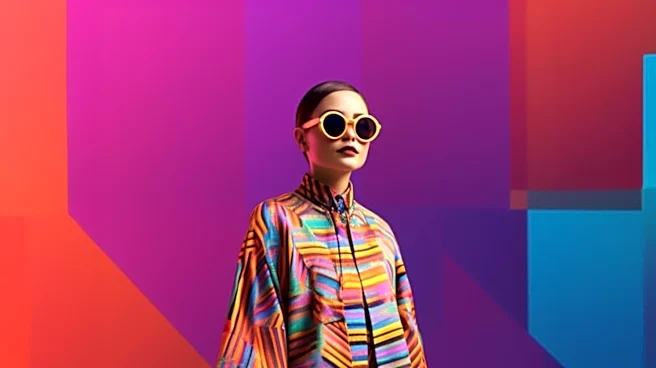
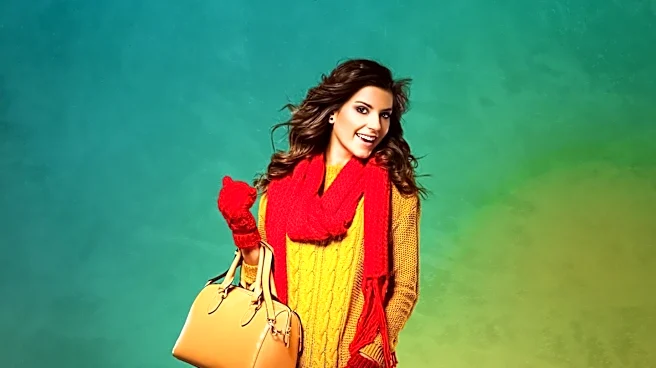
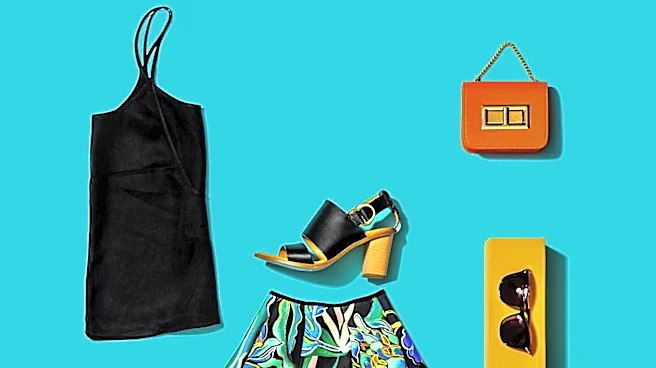
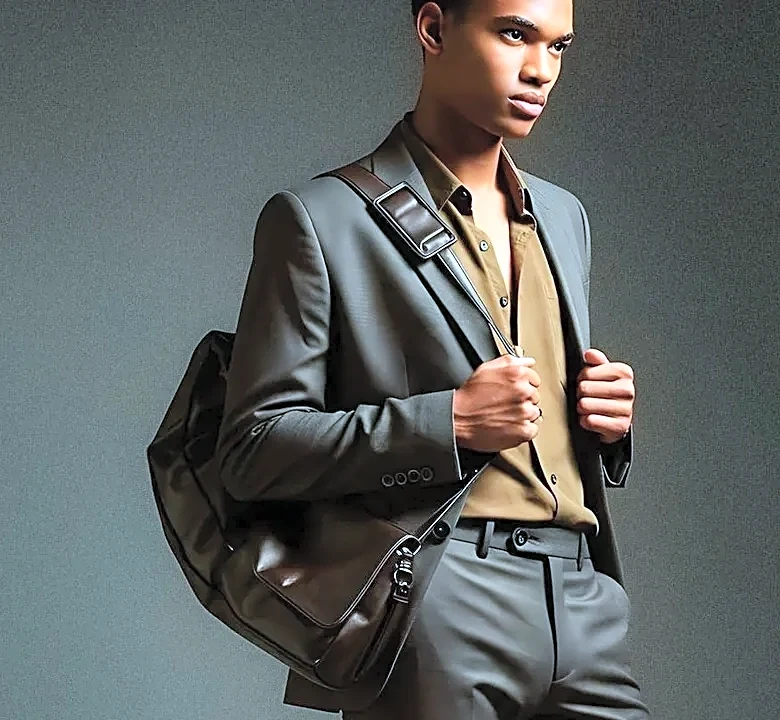
Fashion editorials are a distinct form of photography that emphasizes storytelling and enhancing the reader's experience, often featuring models in fashion items. This approach contrasts with traditional fashion photography, which primarily aims to market
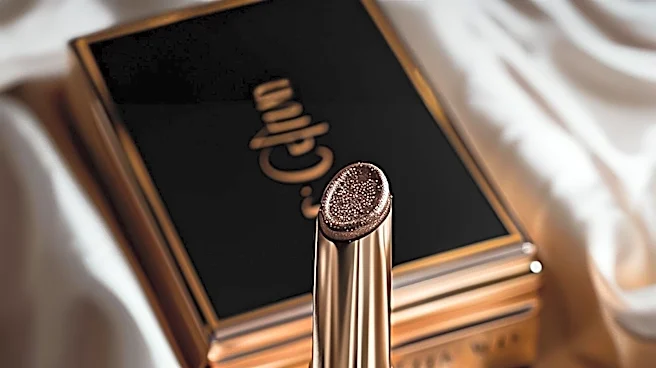
and sell products. Editorial photography serves to visualize ideas or concepts conveyed through text, complementing articles and other written content. While fashion photography is typically extravagant and polished to attract attention, editorial photography can be more diverse, incorporating raw or candid shots to convey deeper narratives. Editorial content can cover a wide range of topics, including lifestyle, culture, and social issues, appearing in magazines, articles, and visual storytelling platforms, whereas fashion photography is commonly found in catalogs and promotional materials.
Why It's Important?
The distinction between fashion and editorial photography is crucial for understanding the evolving landscape of visual media and its impact on consumer engagement. For brands, recognizing this difference allows for more strategic content creation; direct sales campaigns benefit from traditional fashion photography, while building brand narrative and deeper consumer connection can be achieved through editorial content. This differentiation also impacts the careers of models and photographers, as each style demands different skills and offers unique opportunities. The emphasis on storytelling in editorial photography reflects a broader trend in media towards more immersive and narrative-driven content, which can foster stronger emotional connections with audiences and potentially influence purchasing decisions indirectly through brand loyalty and perception.
What's Next?
As digital platforms continue to evolve, the lines between fashion and editorial photography may further blur, leading to innovative hybrid approaches. Content creators and brands are likely to explore more integrated strategies that combine the promotional aspects of fashion photography with the narrative depth of editorial work. This could involve fashion shoots adopting more editorial styles to showcase collections in engaging ways, or editorial pieces incorporating high-fashion elements to enhance visual narratives. The industry will likely see continued experimentation with visual storytelling to capture audience attention in an increasingly saturated media environment, pushing for content that not only displays products but also resonates with cultural and social themes.
Beyond the Headlines
The rise of editorial photography's storytelling focus highlights a shift in consumer behavior, where audiences seek authenticity and narrative over overt commercialism. This trend has ethical implications, as it encourages brands to engage with broader societal issues and cultural contexts, rather than solely focusing on product features. Legally, the usage rights and permissions for editorial content can be more complex, especially when incorporating diverse subject matter and real-world scenarios. Culturally, editorial photography contributes to shaping perceptions and trends by presenting fashion within a larger narrative, influencing not just what people wear, but also how they view themselves and their place in the world. This deeper engagement can foster a more thoughtful consumption culture.