




What's Happening?
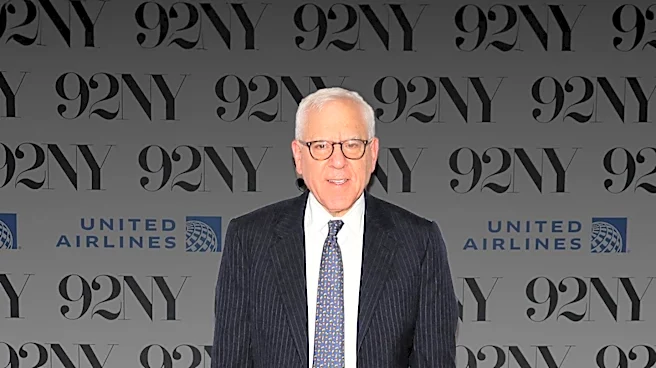
David Rubenstein, owner of the Baltimore Orioles, has drawn significant criticism for recent remarks regarding the profitability of owning an MLB team. Rubenstein stated that owning sports teams generates more money than his private equity investments,
and that he initially viewed the Orioles acquisition as a 'financial thing' before also citing philanthropic motives for Baltimore. These comments have been widely seen as ill-timed and potentially damaging, particularly in the context of impending labor negotiations between MLB and the Players Association. Industry insiders suggest that the MLB Players Association (MLBPA) is likely to 'weaponize' Rubenstein's statements during collective bargaining, especially concerning a potential salary cap. His previous comments at a Davos summit about a non-existent salary cap had already put him on the union's radar. Critics also point to a perceived lack of understanding and puzzling rhetoric from Rubenstein since taking ownership, including his decision to retain current baseball executives despite the team's recent performance.
Why It's Important?
Rubenstein's candid remarks are highly significant because they provide ammunition for the MLBPA in upcoming labor negotiations. By openly stating that MLB ownership is a highly profitable venture, he undermines the owners' potential arguments for financial constraints or the need for a salary cap. This could lead to more contentious and prolonged negotiations, potentially resulting in a lockout that would negatively impact the league, its players, and most importantly, its fans. For the Orioles specifically, these comments could have long-term repercussions. There is speculation that MLB Commissioner Rob Manfred and the league office may internally reprimand Rubenstein, potentially by delaying Baltimore's opportunity to host an All-Star Game, an event that brings significant revenue and prestige to a city. This situation highlights the delicate balance between business interests and public perception in professional sports, where owners' statements can have far-reaching consequences beyond their immediate financial implications.
What's Next?
The immediate consequence of Rubenstein's remarks will likely be their integration into the MLBPA's strategy for the upcoming collective bargaining agreement. The union is expected to leverage his statements to argue against any owner-proposed salary cap or other measures that would limit player earnings. Internally, the MLB office may consider disciplinary actions against Rubenstein, with a potential delay in Baltimore hosting an All-Star Game being a primary form of punishment. This would be a significant blow to the city and the team, as an All-Star Game generates substantial economic activity and national exposure. Fans of the Orioles may face the brunt of these consequences, potentially enduring prolonged labor disputes and a continued absence of major league events in their city. Rubenstein's future public statements will be under intense scrutiny, as any further missteps could exacerbate the situation and further alienate stakeholders.
Beyond the Headlines
Rubenstein's comments delve into the deeper, often opaque, financial realities of professional sports ownership. His admission that owning a team is more profitable than private equity investments challenges the narrative often presented by owners during labor disputes, where financial struggles are frequently cited. This transparency, albeit unintentional, exposes the significant wealth generation potential within sports franchises, which can fuel public debate about ticket prices, player salaries, and the overall economic model of professional leagues. Ethically, his remarks raise questions about the 'philanthropic purpose' he also cited for buying the team, as the financial motivations appear to be paramount. Culturally, such statements can erode fan trust, as supporters often feel a deep emotional connection to their teams and may perceive owners as prioritizing profit over the team's success or community engagement. This incident underscores the complex interplay of business, ethics, and public relations in the high-stakes world of professional sports ownership.