







What's Happening?
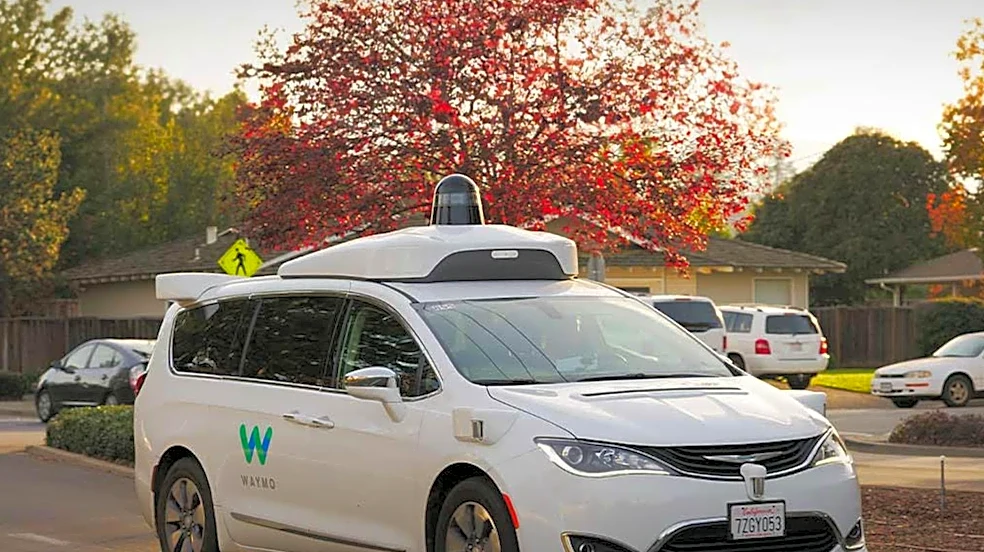
Early Uber investor Jason Calacanis has predicted that Alphabet's Waymo will acquire either Lucid Group (LCID) or Rivian Automotive (RIVN). This prediction comes as Waymo faces scrutiny over its reliance on Chinese-made vehicles for its robotaxi fleet,
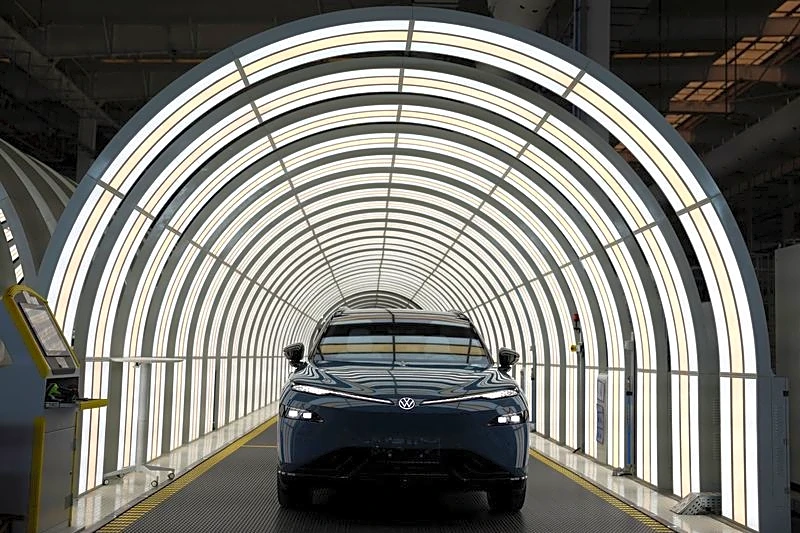
which Calacanis described as having "really bad" optics due to tariffs, costs, and national security concerns. A New York Post report indicated that Waymo ordered thousands of Chinese-made Zeekr vehicles, part of China's Geely group, to expand its U.S. fleet, raising alarms on Capitol Hill. Calacanis argues that tariffs and political concerns make this arrangement unsustainable. U.S. vehicle restrictions on certain Chinese software and sales by Chinese-controlled manufacturers are set to begin with model year 2027, with hardware restrictions following in 2030. Waymo aims to significantly expand its fleet, from approximately 4,000 vehicles to 8,000 by the end of 2026 and 20,000 by the end of 2027.
Why It's Important?
This prediction highlights significant strategic shifts and national security considerations within the U.S. autonomous vehicle industry. Waymo's potential acquisition of a domestic EV manufacturer like Lucid or Rivian would address concerns about its reliance on foreign-made vehicles, particularly from China, which has become a point of contention due to geopolitical tensions and trade policies. For Lucid and Rivian, such an acquisition could provide much-needed capital and scale, accelerating their development and market penetration in the autonomous vehicle space. The U.S. government's impending restrictions on Chinese vehicle components underscore a broader effort to secure critical supply chains and protect national interests, which could reshape partnerships and manufacturing strategies across the automotive sector. This move could also intensify competition with other major players like Tesla and Uber, as companies vie for dominance in the rapidly evolving robotaxi market.
What's Next?
The coming years will likely see increased pressure on Waymo to diversify its vehicle sourcing away from Chinese manufacturers, especially as U.S. vehicle restrictions begin to phase in from model year 2027. This could accelerate Waymo's consideration of acquiring a U.S.-based EV manufacturer like Lucid or Rivian. Both Lucid and Rivian have existing partnerships and plans for robotaxi services, with Uber committing to purchasing tens of thousands of Lucid and Rivian vehicles for its autonomous fleet. Any potential acquisition would involve complex negotiations and regulatory approvals. The outcome will significantly impact the competitive landscape of the autonomous vehicle industry, potentially leading to consolidation and strategic realignments among key players. Investors and industry observers will closely watch for any indications of such mergers or acquisitions, as they could redefine the future of autonomous mobility in the U.S.
Beyond the Headlines
The discussion around Waymo's vehicle sourcing and the potential acquisition of Lucid or Rivian extends beyond mere business strategy; it touches upon critical issues of national security, technological sovereignty, and economic policy. The concerns about Chinese-made vehicles in U.S. autonomous fleets reflect a broader geopolitical struggle for technological leadership and control over critical infrastructure. The U.S. government's move to restrict Chinese software and hardware in vehicles underscores a growing trend towards decoupling certain technological sectors from foreign influence, particularly from perceived adversaries. This situation could foster a more robust domestic supply chain for autonomous vehicle components and manufacturing, potentially boosting U.S. innovation and job creation in the long run. However, it also raises questions about the potential for increased costs and reduced global collaboration in technological development, which could have broader implications for the pace of innovation and market competitiveness.