





What's Happening?
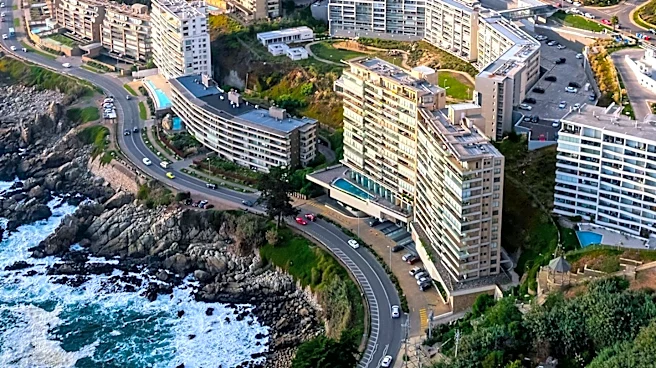
Pompano Beach, Florida, once a 'sleepy fishing village,' is experiencing a significant $2 billion transformation into a luxury destination, driven by over a dozen major real estate projects. This includes branded luxury residences, commercial developments,
and a 70-acre downtown revitalization. Developers like Related Group, led by billionaire Jorge Perez, have invested approximately $2.5 billion in oceanfront projects, such as the recently completed Solemar and Casamar, and the upcoming Waldorf Astoria Residences Pompano Beach and W Pompano Hotel & Residences. While Solemar sold for an average of $900 per square foot, the Waldorf is now selling for $1,600 per square foot, with penthouses reaching up to $18.1 million. Despite the surge in luxury development, the city has implemented strict zoning codes, including building height limits and increased setbacks from the ocean, to preserve its 'old-world charm' and natural coastline.
Why It's Important?
This transformation of Pompano Beach is a significant indicator of the ongoing demand for luxury real estate in South Florida, reflecting broader economic trends and demographic shifts. The influx of high-net-worth individuals, including New York and Canadian buyers, as well as retirees from inland Florida, highlights the region's appeal as a desirable lifestyle destination. The rising land prices, described by developers as 'crazy,' underscore the intense competition for prime coastal properties and the increasing cost of development. This trend can have a dual impact: while it brings substantial investment, job creation, and increased tax revenue to the local economy, it also raises concerns about affordability and the potential displacement of long-time residents and businesses. The city's efforts to balance growth with preservation are crucial for maintaining its unique character and preventing it from becoming another densely developed urban center, which could serve as a model for other coastal communities facing similar development pressures.
What's Next?
The luxury transformation of Pompano Beach is expected to continue, with projects like the Waldorf Astoria anticipated to be sold out by its July 2027 opening. The ongoing demand for high-end oceanfront living suggests that developers will likely continue to seek opportunities in the area, despite the escalating land prices. The city's commitment to controlled growth through zoning regulations will play a critical role in shaping future development, ensuring that new projects align with the community's vision for preserving its charm and natural environment. This balance will be key to sustaining the area's appeal. The success of Pompano Beach could also inspire similar luxury developments in other 'sleepy' coastal towns across Florida and beyond, as investors look for new markets offering value compared to established luxury hubs like Miami and Palm Beach. The long-term impact will depend on how effectively the city manages growth, infrastructure, and community needs amidst continued investment.
Beyond the Headlines
The rapid luxury transformation of Pompano Beach reveals deeper societal and economic shifts, particularly the increasing concentration of wealth in coastal areas and the pursuit of a high-end lifestyle. The tension between development and preservation highlights a common challenge faced by many desirable locations: how to accommodate growth while maintaining local character and environmental integrity. The city's proactive zoning measures to limit building height and increase setbacks are a testament to a conscious effort to avoid the pitfalls of overdevelopment seen in other South Florida cities. This approach could foster a more sustainable model of luxury development that prioritizes quality of life and environmental protection. However, the escalating property values also raise questions about economic inclusivity and the potential for gentrification, where the rising cost of living could push out lower and middle-income residents. The story of Pompano Beach is a microcosm of the broader debate about urban planning, economic development, and social equity in rapidly growing regions.