








What's Happening?
Fitness plans for individuals over 60 are increasingly emphasizing a balanced approach that includes strength training, balance exercises, and flexibility routines. This comprehensive strategy aims to maintain independence, protect bones, boost metabolism,
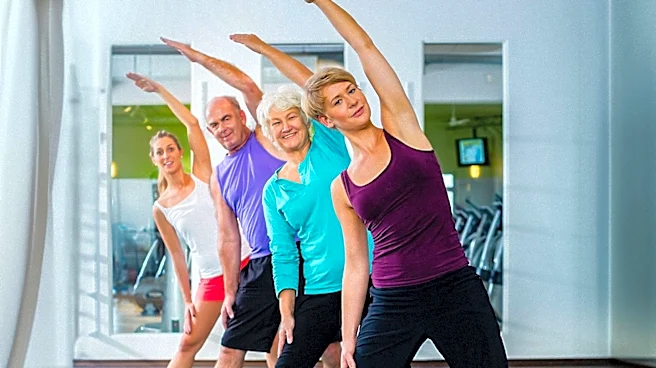
and ease daily tasks. Strength training is highlighted for its role in building muscle and bone density, crucial for combating sarcopenia (age-related muscle loss). Balance and flexibility training are integrated to prevent injuries and reduce fall risks, which are significant concerns for older adults. Aerobic activity, such as brisk walking, swimming, or cycling, remains essential for heart and lung health, with a recommendation of at least 150 minutes of moderate-intensity activity weekly. The plans also stress the importance of consulting healthcare professionals before starting any new exercise regimen to ensure safety and tailor routines to individual needs.
Why It's Important?
This focus on holistic fitness for seniors is vital for addressing the health challenges of an aging U.S. population. By promoting strength, balance, and flexibility, these plans directly combat common age-related issues like muscle loss, bone fragility, and increased fall risk, which can severely impact quality of life and lead to higher healthcare expenditures. Maintaining physical independence allows older adults to continue performing daily tasks with ease, fostering a sense of self-reliance and reducing the need for assisted living. The emphasis on low-impact options and gradual progression makes exercise accessible and sustainable, encouraging long-term adherence. This proactive approach to senior fitness can lead to a healthier, more active demographic, potentially lowering the incidence of chronic diseases and improving overall public health outcomes.
What's Next?
The implementation of these fitness plans involves a personalized approach, starting with a medical consultation to assess current fitness levels and identify any health risks. Individuals are encouraged to track their progress in metrics such as grip strength, sit-to-stand performance, balance hold, and flexibility range to monitor improvements and adjust routines as needed. Progressive overload techniques are recommended to ensure continuous challenge and muscle growth, while also emphasizing listening to one's body to avoid injury. Nutrition and recovery, including adequate protein intake and rest days, are also critical components for muscle repair and energy maintenance. The goal is to build lasting habits that integrate exercise into daily life, rather than focusing on short-term goals, to ensure sustained health benefits and independence for years to come.
Beyond the Headlines
The shift towards comprehensive fitness for seniors reflects a broader societal recognition that aging does not equate to inevitable decline. By empowering older adults with structured exercise plans, there's a cultural movement towards promoting active aging and challenging stereotypes about physical capabilities in later life. This approach also has significant economic implications, as a healthier senior population can remain in the workforce longer, contribute more to their communities, and reduce the strain on healthcare systems. Furthermore, the integration of wearable technology for tracking progress and the emphasis on home-based exercises highlight the evolving landscape of fitness, making it more accessible and personalized. This could lead to innovative programs and policies aimed at supporting senior wellness on a larger scale.