





What's Happening?
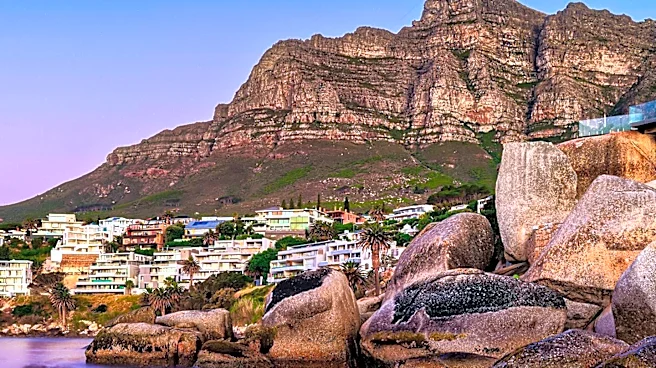
Llandudno, an exclusive coastal suburb of Cape Town, South Africa, is experiencing a significant influx of foreign property buyers, making it one of the most foreign-owned property markets in the country. Over the past decade, approximately two out of every
three homes sold in Llandudno were purchased by international buyers. Data from Lightstone Properties indicates that foreign nationals acquired 67 of the 102 residential properties sold between 2016 and 2025, representing 66% of all transactions. The average purchase price in Llandudno was R29.2 million, with foreign buyers collectively spending an estimated R1.96 billion in this small coastal enclave. This trend highlights the increasing influence of international wealth in South Africa's luxury real estate sector, particularly in the Western Cape, which attracts buyers primarily from Germany, the Netherlands, and the United Kingdom. Bradd Bendall, national head of sales at BetterBond, links this demand to the recovery in international tourism post-pandemic, noting that tourists often become prospective homeowners.
Why It's Important?
The growing dominance of foreign buyers in Llandudno's luxury property market has several implications. For the local economy, it signifies a substantial inflow of foreign capital, boosting the real estate sector and potentially related industries. However, it also raises concerns about affordability for local residents, as the high demand from international buyers, often earning in stronger currencies, drives up property values. This can lead to a displacement of local populations and alter the socio-economic fabric of these exclusive areas. The trend also underscores the attractiveness of South African luxury properties as investments for international buyers, who may find them comparatively more affordable than similar coastal homes in Europe, Australia, or the United States. This dynamic could further entrench the Western Cape as a prime destination for global high-net-worth individuals, potentially increasing its economic ties to international markets while creating internal challenges related to wealth disparity and access to housing.
What's Next?
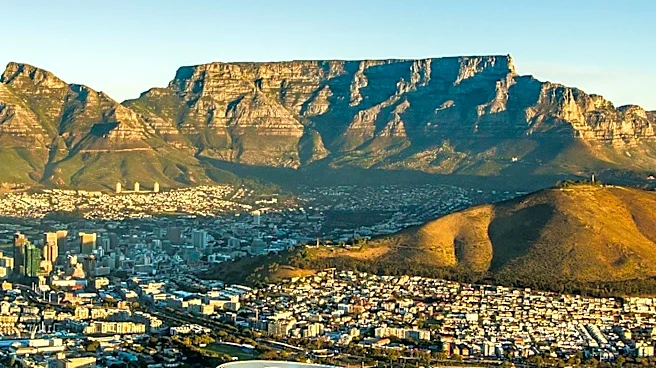
The trend of increasing foreign ownership in Cape Town's luxury property market is likely to continue, especially with the ongoing recovery of international tourism. As noted by Bradd Bendall, the link between tourism and property investment suggests that sustained visitor numbers will translate into continued interest from international buyers. This could lead to further appreciation of property values in areas like Llandudno, Sea Point, Cape Town CBD, Bakoven, and Camps Bay, where foreign interest is already substantial. Local authorities and real estate developers may need to consider policies that balance foreign investment benefits with the housing needs of local residents. The long-term impact could include further development of luxury amenities and services catering to this affluent international demographic, potentially reshaping the urban landscape and economic priorities of these regions. The focus will remain on how to manage this foreign investment to ensure sustainable growth and address potential social inequalities.
Beyond the Headlines
Beyond the immediate economic impact, the increasing foreign ownership in areas like Llandudno touches upon deeper socio-cultural and ethical considerations. The transformation of historically local communities into enclaves for international wealth can lead to a loss of local character and community identity. The ethical implications of 'poverty tourism' in townships, as mentioned in the broader context of Cape Town, contrast sharply with the luxury property market, highlighting significant wealth disparities within the region. This raises questions about equitable development and the distribution of economic benefits from tourism and foreign investment. The preservation of local heritage and the integration of diverse communities become critical challenges as these areas become more internationalized. The long-term shift could see these exclusive suburbs becoming more globally homogeneous, potentially diluting the unique cultural tapestry that defines South Africa.