








What's Happening?
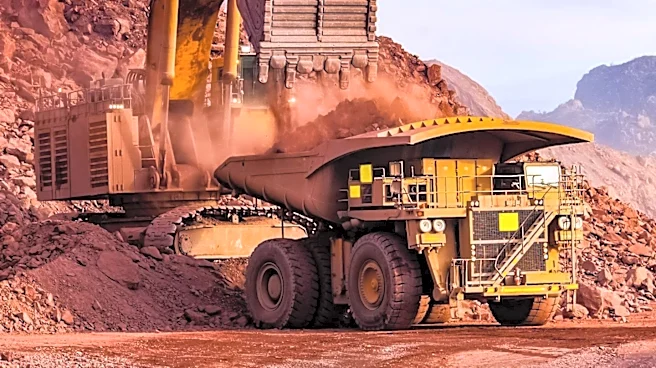
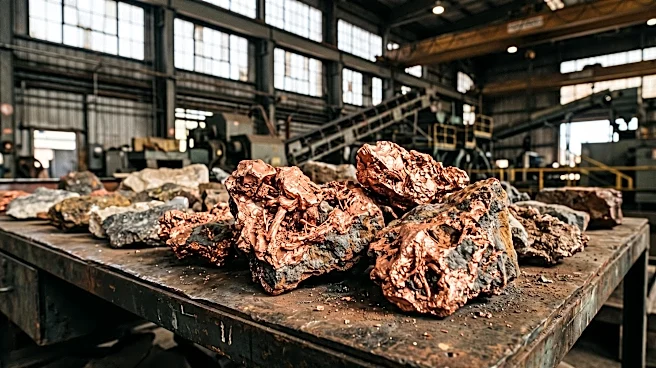
Mercuria Energy Group has finalized a deal to purchase copper from units of Shanghai Jayson New Energy Materials Group, involving an advance payment of up to $250 million for three years of supply from operations in the Democratic Republic of Congo (DRC).
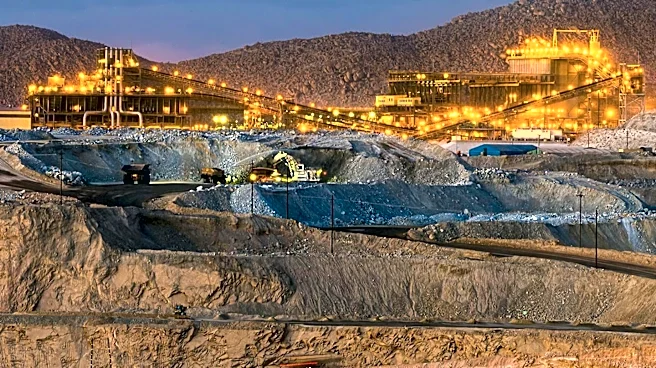
This agreement includes copper from the newly operational Kinga Kila project. The deal is a prime example of how trading houses are increasingly making large upfront payments to secure access to critical minerals like copper, especially as prices continue to rise. Shanghai Jayson New Energy Materials Group, whose main business is manufacturing precursor materials for lithium-ion batteries, controls the Congolese copper ventures through its subsidiaries Hongkong Excellen Mining Investment Co and Singapore Excellen. An investment vehicle belonging to Robin Zeng, the billionaire chairperson of battery giant Contemporary Amperex Technology Co (CATL), owns nearly 30% of Hongkong Excellen. Jayson's projects in Congo produced approximately 56,000 tons of copper in the first half of the year.
Why It's Important?
This significant deal underscores the growing global demand for copper, a critical metal for the energy transition, electric vehicles, and renewable energy infrastructure. The Democratic Republic of Congo has emerged as a crucial growth engine for global copper supply, solidifying its position as the second-largest producer after Chile. For the U.S. and global markets, securing stable access to copper from key producing regions like the DRC is vital for industrial supply chains and strategic national interests, particularly in the context of decarbonization efforts. The trend of trading houses providing substantial prepayments highlights the intense competition for mineral resources and the financial mechanisms being employed to guarantee supply. The involvement of Chinese companies and investors, such as Shanghai Jayson and CATL, further emphasizes China's strategic interest in controlling critical mineral supply chains, which has geopolitical implications for resource security and trade relations. This deal also reflects the appetite of commodity financiers, like Rabobank, to back such arrangements, indicating confidence in the long-term value of copper and the viability of these prepayment models.
What's Next?
Mercuria will begin receiving copper supplies from Jayson's operations in Congo over the next three years, facilitated by the $250 million prepayment. The Kinga Kila project, now operational, will contribute to this supply. The syndication to finance the majority of Mercuria's advance to Jayson is expected to be supported by Rabobank and other lenders. This deal is likely to encourage similar prepayment arrangements in the DRC and other mineral-rich regions as global demand for copper continues to grow. The ongoing expansion of Jayson's projects and the strategic investments by companies like CATL in Congolese copper and cobalt mines suggest a continued focus on increasing production to meet the needs of the battery and electric vehicle industries. The DRC's role as a major supplier of these critical minerals will likely expand, attracting further international investment and scrutiny regarding ethical sourcing and environmental practices.
Beyond the Headlines
This copper deal in the DRC carries deeper implications beyond its financial value, touching upon ethical, environmental, and geopolitical dimensions. The DRC's mining sector has historically faced challenges related to governance, labor practices, and environmental impact. While the deal focuses on securing supply, the broader context of responsible sourcing and supply chain transparency remains critical. The involvement of major global players like Mercuria and Chinese entities like Jayson and CATL places a spotlight on their commitment to sustainable and ethical mining practices in a region often associated with complex social and environmental issues. Furthermore, the increasing control of critical mineral supply chains by specific nations or corporate blocs raises questions about market concentration and potential vulnerabilities for countries that rely on these resources for their industrial and technological development. This deal is a microcosm of the larger global race for critical minerals, where economic interests intersect with geopolitical strategies, environmental concerns, and the imperative for equitable development in resource-rich nations.