


What's Happening?
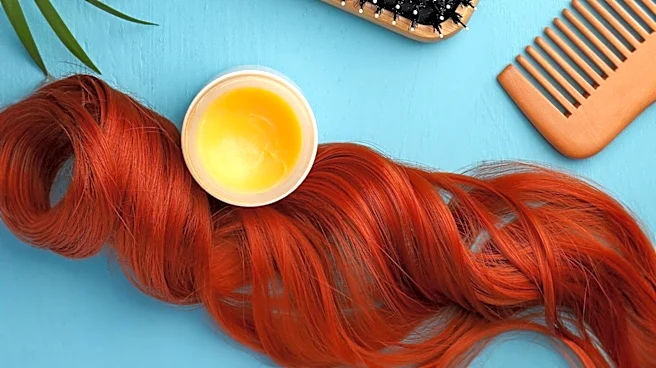
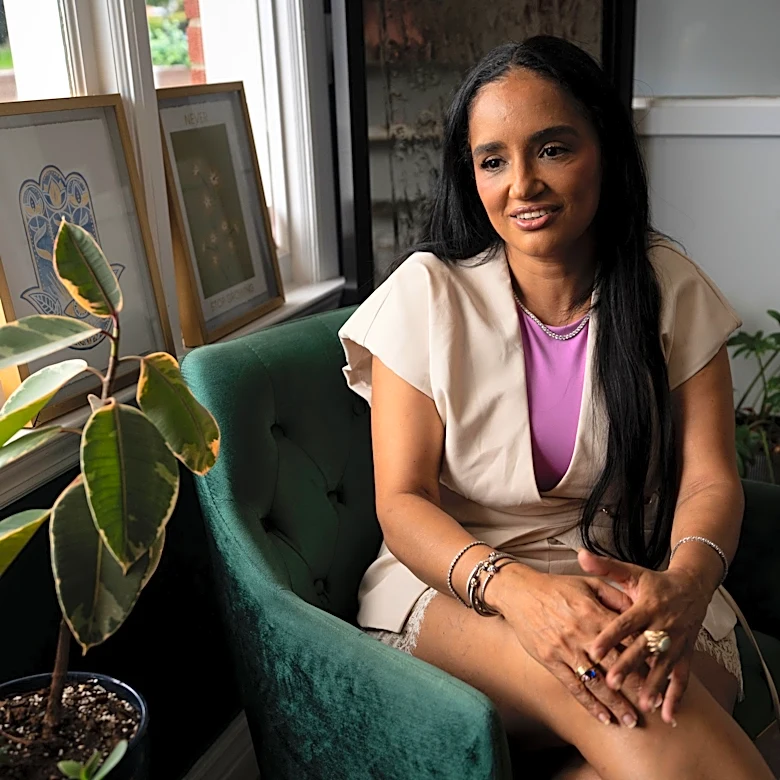
Dermatologist Amy Kassouf, MD, from Cleveland Clinic, has provided insights into the benefits of using olive oil for hair care. Historically, ancient civilizations like the Egyptians, Greeks, and Romans utilized olive oil for its cosmetic properties.
Dr. Kassouf explains that olive oil can moisturize dry hair by coating hair shafts and slowing moisture loss, leading to more hydrated and softer hair. It also helps reduce frizz by smoothing the hair's protective outer layer, the cuticle, which can become rough when dry. Additionally, olive oil can add shine to hair by making it smoother, thus reflecting light better, and can prevent breakage by increasing hair flexibility. While olive oil does not stimulate hair follicles or accelerate hair growth, it can make hair appear fuller and thicker over time by preventing breakage.
Why It's Important?
The discussion from Cleveland Clinic highlights a natural and accessible approach to hair care, offering an alternative or supplement to commercial products. For consumers, this information is important as it validates a traditional remedy with scientific backing, potentially saving money on expensive hair treatments. The emphasis on using extra virgin olive oil (EVOO) and proper application techniques, such as using small amounts and applying to damp hair, provides practical guidance. This can help individuals with thick, coarse, curly, or dry hair manage their hair health more effectively. However, the caution against excessive use on the scalp for those with oily hair or certain scalp conditions is crucial, as it could exacerbate issues by feeding yeasts on the skin. This guidance empowers consumers to make informed decisions about incorporating natural ingredients into their beauty routines while being aware of potential drawbacks.
What's Next?
Individuals interested in natural hair care may consider incorporating extra virgin olive oil into their routine, following Dr. Kassouf's recommendations. This includes starting with a few drops, applying it mainly to the middle and ends of damp hair, and performing a patch test to check for adverse reactions. For those with fine or oily hair, careful consideration will be needed to avoid a greasy or weighed-down appearance. The advice to avoid getting too much olive oil on the scalp and to wash it off regularly if used deeply in hair follicles suggests a need for ongoing vigilance in application. The broader beauty and wellness industry might see an increased interest in olive oil as a natural ingredient, potentially leading to more products featuring it or a resurgence in DIY hair treatments. Consumers will likely continue to seek out natural, cost-effective solutions for personal care, making such expert-backed advice valuable.
Beyond the Headlines
The enduring appeal of olive oil in hair care, spanning thousands of years from ancient civilizations to modern dermatological recommendations, underscores a broader trend towards natural and time-tested remedies. This phenomenon reflects a cultural appreciation for simplicity and efficacy in personal care, often drawing from historical practices. The accessibility of olive oil, readily available in most kitchens, democratizes hair care, making effective treatments available to a wider audience without requiring specialized products. This also touches upon the ethical dimension of consumerism, encouraging the use of single-ingredient solutions over complex formulations with potentially unknown chemicals. The advice to check the oil's smell before use, ensuring it hasn't gone rancid, subtly highlights the importance of product quality and freshness even for natural ingredients. Ultimately, the story points to a blend of tradition, science, and practical self-care that resonates deeply with individuals seeking holistic wellness.