







What's Happening?
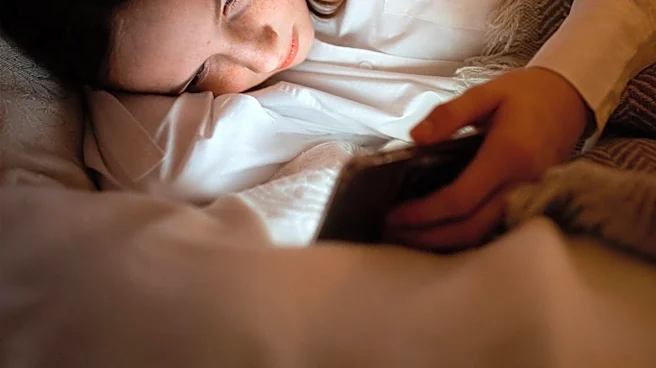
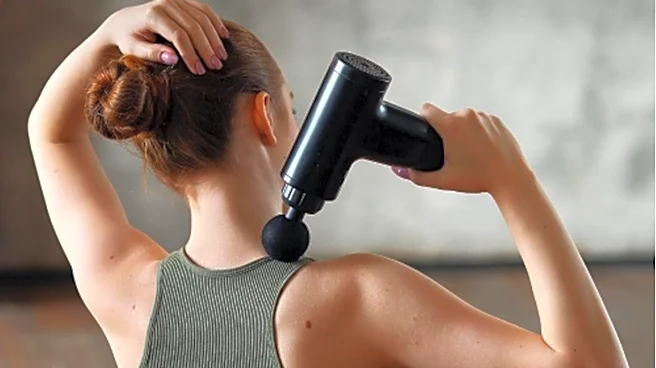
Using a massage gun before bed can help individuals relax and potentially fall asleep faster, provided the session is short, gentle, and low-intensity. A recommended routine involves 5–10 minutes on major muscle groups at a low speed, followed by a minute of
slow breathing. However, medical professionals advise against using massage guns if one has a blood-clotting disorder, deep vein thrombosis, a recent fracture, torn muscle or tendon tissue, or is on blood thinners. It is also crucial to avoid using these devices on bony areas, the spine, major arteries (such as the front of the neck), or over open wounds. Individuals with existing medical conditions should seek clearance from a clinician before incorporating a massage gun into their routine. For those seeking a bedtime-friendly option, devices like Lunix’s LX28 Deep Tissue Massager are highlighted for their lighter design and multiple attachment heads, catering to versatile and gentle use.
Why It's Important?
The increasing popularity of massage guns for personal wellness highlights a growing interest in at-home recovery and relaxation tools. This information is important for U.S. consumers as it provides clear guidelines for safe and effective use, potentially preventing injuries or adverse health outcomes. By outlining specific contraindications and areas to avoid, medical experts are emphasizing responsible self-care practices. This guidance can influence consumer purchasing decisions, steering them towards products designed for gentle use rather than high-intensity recovery, especially for nighttime routines. Furthermore, it underscores the need for individuals to consult healthcare providers, promoting a more integrated approach to health and wellness that combines personal tools with professional medical advice, thereby impacting both the health and wellness industry and public health awareness.
What's Next?
Consumers are likely to become more discerning in their choice of massage guns, prioritizing features like quiet operation, lighter designs, and softer attachment heads for relaxation purposes. Manufacturers may respond by developing more specialized 'bedtime-friendly' models that cater to these specific needs, potentially leading to new product lines and marketing strategies. Healthcare providers might increasingly incorporate advice on safe massage gun use into patient consultations, particularly for those seeking non-pharmacological methods for muscle relaxation and sleep improvement. Educational campaigns from health organizations could also emerge, aiming to inform the public about the benefits and risks associated with these devices, ensuring that users make informed decisions and avoid potential harm.
Beyond the Headlines
The integration of massage guns into daily wellness routines reflects a broader societal trend towards self-management of health and stress. This trend is driven by factors such as increased awareness of mental and physical well-being, the desire for convenient at-home solutions, and the influence of social media on health practices. However, it also raises ethical considerations regarding the marketing of such devices, particularly in ensuring that claims are evidence-based and that potential risks are clearly communicated. The emphasis on medical clearance for certain conditions highlights the ongoing challenge of balancing consumer autonomy with professional medical oversight in the rapidly evolving wellness market. This shift could lead to greater regulatory scrutiny of wellness products and a stronger push for scientific validation of their purported benefits.