




What's Happening?
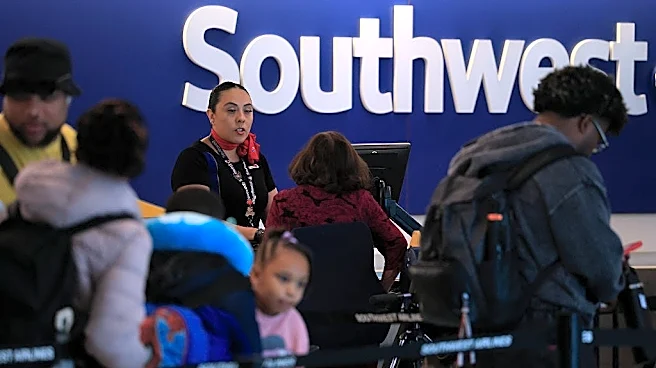
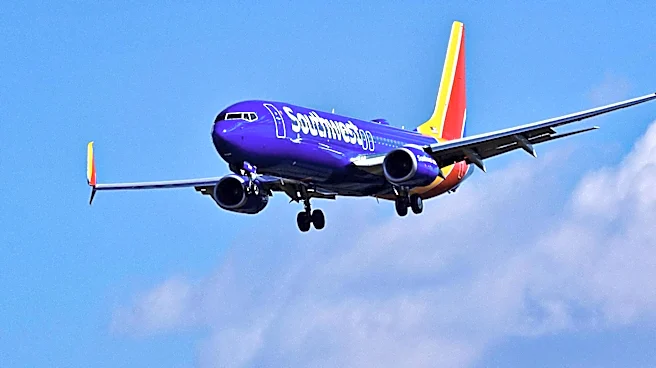
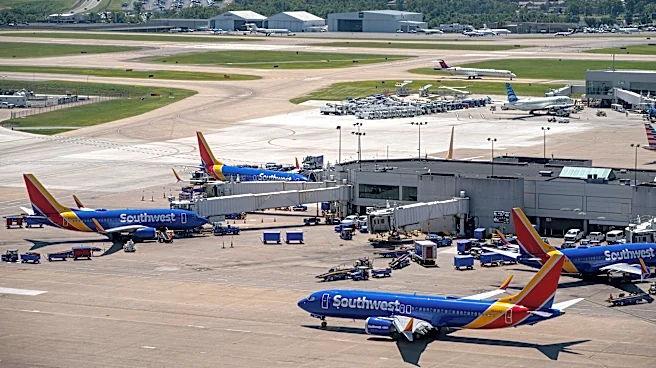
Southwest Airlines Co. has announced its plans to introduce its first-ever airport lounge network, marking a significant expansion of its customer experience offerings. This initiative is a collaboration with Chase, leveraging the success of the Chase Sapphire
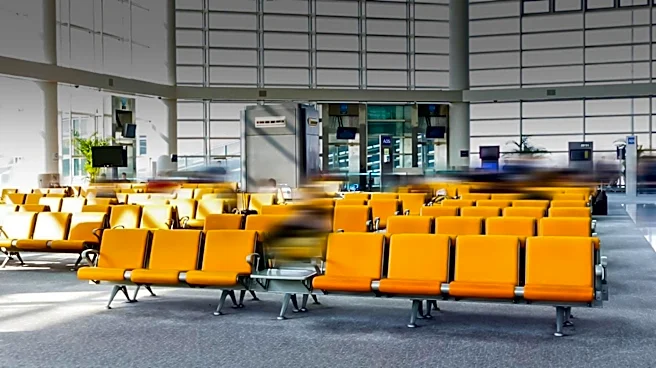
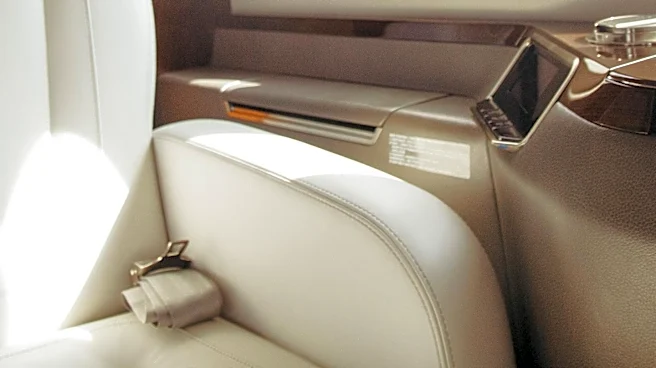
Reserve Lounge Network. The new lounges aim to blend Southwest's signature hospitality with sophisticated design, locally-inspired dining, and high-quality amenities. Construction has already commenced on the initial four lounge locations, which are expected to open their doors to guests in late 2027. These inaugural lounges will be situated at Austin-Bergstrom International Airport, Baltimore/Washington International Thurgood Marshall Airport, Daniel K. Inouye (Honolulu) International Airport, and Nashville International Airport. The airline has indicated that this is the beginning of a broader expansion, with at least seven additional lounges planned for high-demand business and leisure markets over the coming years. Access to this new lounge network will be provided through a new, premium Southwest Rapid Rewards Credit Card, which will be launched by Chase in 2027.
Why It's Important?
This move by Southwest Airlines is a strategic shift that could significantly impact its competitive standing in the U.S. airline industry. Historically, Southwest has focused on a low-cost, no-frills model, distinguishing itself from legacy carriers that offer premium services like airport lounges. By introducing a lounge network, Southwest is directly addressing a segment of travelers, particularly business and frequent flyers, who value such amenities. This could attract new customers who previously opted for airlines with lounge access, while also enhancing loyalty among its existing Rapid Rewards members. The partnership with Chase is crucial, as it leverages an established premium lounge network and credit card infrastructure, potentially accelerating the rollout and adoption of the new offering. This development signals a potential evolution in Southwest's brand strategy, moving towards a more comprehensive travel experience that balances its value proposition with enhanced comfort and convenience, thereby increasing its market share in the premium travel segment.
What's Next?
The immediate next step for Southwest Airlines and Chase is the continued construction and development of the initial four airport lounges, with the first openings anticipated in late 2027. Concurrently, Chase will be preparing for the launch of a new premium Southwest Rapid Rewards Credit Card in 2027, which will serve as the primary access mechanism for the lounge network. Following the successful launch of these initial locations, the companies plan to expand the network with at least seven more lounges in key markets over the subsequent years. This expansion will likely involve identifying high-demand airports and negotiating leases or construction agreements. The success of these initial lounges and the new credit card will be closely monitored, as it will inform the pace and scope of future expansions. Competitors will also be observing Southwest's foray into the lounge market, potentially influencing their own strategies regarding premium amenities and loyalty programs.
Beyond the Headlines
Southwest's decision to introduce airport lounges represents a deeper strategic evolution for the airline, moving beyond its traditional low-cost carrier identity. This shift could redefine customer expectations for budget airlines, potentially blurring the lines between low-cost and full-service carriers. Ethically, it raises questions about accessibility and exclusivity within air travel, as lounge access will be tied to a premium credit card, potentially creating a tiered experience for Southwest passengers. Culturally, it reflects a broader trend in the travel industry where airlines are increasingly focusing on enhancing the end-to-end customer journey, not just the flight itself. This move could also influence how other airlines, particularly those in the budget segment, perceive and invest in customer amenities, potentially leading to an industry-wide uplift in passenger services. The long-term implication could be a more competitive landscape where airlines differentiate themselves not just on price, but also on the quality and breadth of their ground services.