







What's Happening?
Lincoln University Cooperative Extension (LUCE) recently concluded a four-part workshop series aimed at teaching community members and students how to extend their gardening season beyond the summer months and prepare for earlier spring harvests. Held
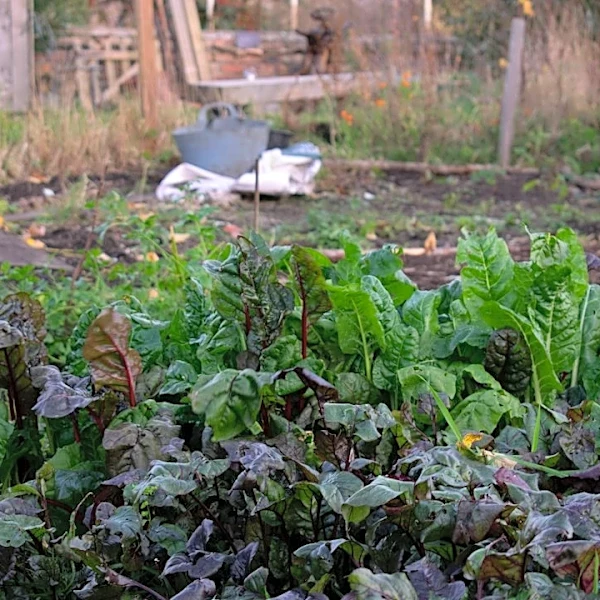
at Finca EcoFarm, an on-campus learning hub, the workshops provided hands-on activities and discussions led by staff members Susan Jaster, Bryan de Valdivia, and Mary Keeter. The curriculum focused on adapting planting practices to changing temperatures and daylight hours, particularly emphasizing cool-season crops like spinach, parsley, kale, lettuce, and cabbage, which thrive in lower temperatures and can tolerate frost. Participants learned about soil preparation, the importance of consistent moisture for newly planted seeds, and techniques like using damp burlap to retain soil moisture and keep it cool during warmer periods. The workshops also covered starting seeds indoors and the process of 'hardening off' seedlings before transplanting them outdoors.
Why It's Important?
These workshops are important for several reasons, particularly in the context of food security and sustainable living. By teaching individuals how to grow produce year-round, LUCE empowers communities to increase their access to fresh, locally grown food, reducing reliance on seasonal availability and potentially lowering food costs. The focus on cool-season crops highlights the adaptability of gardening practices, demonstrating that productive agriculture is not limited to warmer months. This initiative also fosters community engagement and knowledge sharing, as participants are encouraged to learn from each other's experiences. Furthermore, the program's emphasis on marketing produce, exemplified by the Finca Little Market, provides valuable entrepreneurial skills for local growers, potentially stimulating local economies and creating new income streams. This approach contributes to a more resilient and self-sufficient food system within the community.
What's Next?
The Native and Specialty Crops Program, which organized these workshops, will continue to explore ways for local growers to market their produce, with future pop-up markets like the Finca Little Market planned. Those interested can sign up for announcements regarding upcoming market dates. The program also aims to continue its educational outreach, encouraging participants to share their gardening experiences and learn from fellow gardeners and farmers. Future workshops may delve deeper into specific challenges such as pest management, which was briefly touched upon with discussions on identifying harlequin bugs. Additionally, the program will likely continue to advocate for practices like overwintering crops, which allows for earlier spring harvests, further extending the productive gardening season. The ongoing research and educational efforts by LUCE are expected to foster a more knowledgeable and interconnected gardening community.
Beyond the Headlines
Beyond the immediate benefits of extended harvests and fresh produce, these gardening workshops contribute to a broader cultural shift towards greater self-sufficiency and environmental awareness. By demystifying year-round gardening, LUCE helps individuals reconnect with the food production process, fostering a deeper appreciation for sustainable practices. The emphasis on local markets and direct sales also strengthens community bonds and promotes a more localized food economy, reducing the carbon footprint associated with long-distance food transportation. Ethically, teaching these skills promotes food justice by making fresh produce more accessible to diverse populations. The hands-on approach and community-focused learning environment also serve as a model for experiential education, demonstrating how practical skills can be effectively transferred and sustained within a community, leading to long-term benefits for both individuals and the environment.