

What's Happening?
Pilates is experiencing a resurgence in popularity as individuals increasingly seek exercise methods that prioritize long-term body function, recovery, and overall well-being over solely calorie burning or high-intensity workouts. This holistic exercise system,
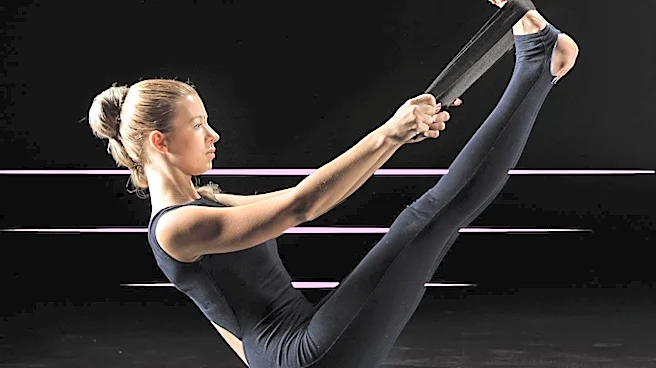
developed over a century ago, focuses on core strength, stability, flexibility, balance, posture, and body awareness through controlled, intentional movements. Unlike some traditional fitness approaches, Pilates emphasizes precision and control, offering a challenging workout without relying on high-impact movements. The Pilates Reformer, an apparatus featuring a sliding carriage, springs, and straps, further enhances the practice by providing adjustable resistance, making it adaptable for various fitness levels, from beginners to athletes and active older adults. This versatility allows for progressive challenges and supports diverse fitness goals, including building foundational strength, improving mobility, and enhancing movement control. Many are finding that Pilates complements other forms of exercise, such as strength training, running, and cycling, by improving core stability and mobility.
Why It's Important?
The renewed interest in Pilates reflects a significant shift in the broader fitness culture towards a more comprehensive approach to physical health. This trend indicates a growing public awareness of the importance of sustainable fitness practices that support the body's ability to move and function effectively over many years. For the fitness industry, this means an increased demand for Pilates classes, equipment, and certified instructors, potentially leading to growth in specialized studios and programs. Individuals stand to gain improved physical well-being, reduced risk of injury due to enhanced core strength and flexibility, and better posture. This shift also highlights a consumer preference for mindful movement and body awareness, which could influence how other exercise modalities are marketed and developed. The emphasis on adaptability and low-impact exercise makes Pilates accessible to a wider demographic, including those recovering from injuries or seeking gentle yet effective workouts, thereby broadening the market for fitness services.
What's Next?
As Pilates continues to gain traction, it is likely that more fitness centers and studios will expand their offerings to include various Pilates classes, such as Mat Pilates and Reformer Pilates, to meet consumer demand. We can anticipate an increase in specialized Pilates certifications and training programs for instructors to ensure quality and expertise. Furthermore, the integration of Pilates principles into other fitness disciplines may become more common, as people recognize its benefits for overall athletic performance and injury prevention. The trend towards holistic fitness suggests that consumers will continue to seek out exercise methods that offer long-term health benefits, potentially leading to further innovation in low-impact, functional training programs. Digital platforms may also see an increase in Pilates content, making the practice more accessible to those who prefer at-home workouts.
Beyond the Headlines
The resurgence of Pilates points to a deeper cultural shift away from purely aesthetic or performance-driven fitness goals towards a more intrinsic understanding of health and well-being. This movement emphasizes longevity, functional movement, and the mind-body connection, reflecting a growing desire for sustainable lifestyle practices. Ethically, this shift encourages a more inclusive view of fitness, accommodating diverse body types, ages, and physical capabilities, moving away from potentially exclusionary high-intensity models. Legally, as the demand for specialized fitness grows, there may be increased scrutiny on instructor qualifications and safety standards within Pilates studios. Culturally, the embrace of Pilates signifies a broader appreciation for practices that promote mindfulness and self-care, aligning with a general societal trend towards holistic wellness and stress reduction. This could lead to a more integrated approach to health, where physical activity is viewed as a component of overall mental and emotional well-being.