







What's Happening?
Long-term studies indicate that adhering to a Mediterranean-style diet significantly benefits gut health by fostering microbial diversity, increasing anti-inflammatory bacteria, and lowering systemic inflammation markers. This dietary pattern, rooted
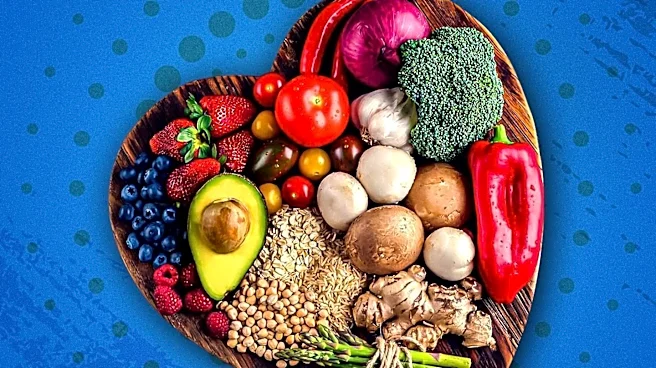
in traditional eating habits from countries like Greece, Italy, and Spain, emphasizes whole, unrefined foods. Key components include vegetables, fruits, whole grains, legumes, nuts, seeds, herbs, and extra virgin olive oil. These foods are rich in dietary fiber, prebiotics, natural fermented foods, and polyphenols, all of which contribute to a balanced and healthy gut microbiome. The diet is characterized by a daily intake of these plant-based foods, weekly consumption of oily fish, moderate amounts of poultry, eggs, and live dairy, and occasional consumption of red meat, refined sweets, and processed foods. This approach contrasts with restrictive dietary fads, focusing instead on a varied and nutrient-dense framework.
Why It's Important?
The promotion of gut microbial diversity and the reduction of systemic inflammation through dietary choices have significant implications for public health in the U.S. A healthy gut microbiome is crucial for overall well-being, influencing digestion, immune system regulation, and even neurological support via the gut-brain axis. By increasing beneficial bacteria and reducing inflammatory markers, the Mediterranean diet can help mitigate chronic health issues prevalent in the U.S., such as digestive disorders, metabolic syndromes, and conditions linked to chronic inflammation. This dietary approach offers a sustainable and evidence-based alternative to extreme diets or unproven cleanses, potentially leading to long-term improvements in digestive and metabolic health for a broad population. The emphasis on whole, unprocessed foods also aligns with broader public health goals of reducing the consumption of ultra-processed items that can disrupt gut equilibrium.
What's Next?
Individuals experiencing digestive issues are advised to adopt a phased approach to improving gut health. This begins with consulting a general practitioner to rule out underlying clinical conditions. Following this, a structured self-tracking period of two to three weeks, noting diet, symptoms, and lifestyle factors, can help identify personal patterns. If symptoms persist, targeted blood biomarker testing can provide objective insights into metabolic, nutritional, and inflammatory markers. This data can then inform more detailed discussions with healthcare professionals. The continued promotion and adoption of the Mediterranean diet, supported by clinical guidance, could lead to a reduction in digestive discomfort and chronic inflammation, fostering a healthier population. Further research into the long-term effects and broader applicability of this diet across diverse populations will also be crucial.
Beyond the Headlines
The widespread adoption of the Mediterranean diet could represent a significant cultural shift away from the convenience-driven, processed food culture prevalent in the U.S. This shift would not only impact individual health but also potentially influence agricultural practices, food production, and public policy related to nutrition. The diet's emphasis on fresh, local produce and sustainable eating patterns could foster stronger community ties and support local economies. Furthermore, by highlighting the interconnectedness of diet, gut health, and overall well-being, it encourages a more holistic view of health that integrates lifestyle factors like sleep, hydration, and stress management. This comprehensive approach moves beyond symptom management to address root causes, promoting a more resilient and healthier society in the long run.