



What's Happening?
The Chevrolet Equinox EV provides instant cabin heating, a significant advantage over gasoline-powered vehicles in cold weather. Unlike traditional engines that rely on waste heat, electric vehicles generate heat deliberately using electricity from the battery.
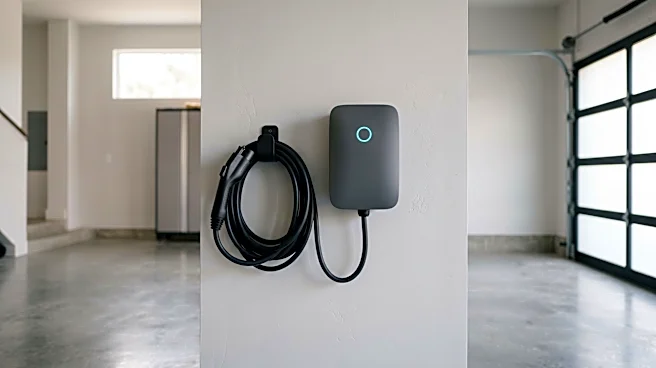
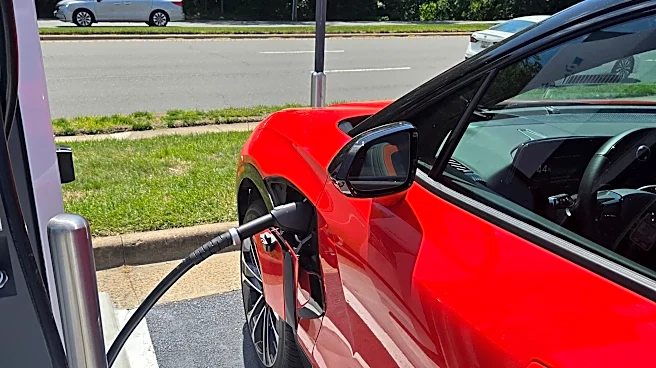
This means there is no warm-up time, and heating begins immediately. However, this convenience comes at the cost of reduced vehicle range, as cabin heating is the largest auxiliary demand on the battery during winter. The efficiency of electric vehicles can drop by approximately half in cold conditions due to factors like slower battery chemistry, increased air drag, and the energy consumed by the heater. To mitigate this, Chevrolet advises using heated seats and steering wheels, which require less energy than heating the entire cabin, thereby preserving battery range. Preconditioning the vehicle while it is plugged in at home is also recommended, allowing the cabin and battery to warm up using grid power rather than the car's battery, thus saving range for driving.
Why It's Important?
This development is important for consumers considering electric vehicles, particularly in regions with cold climates. The trade-off between instant heat and reduced range highlights a key difference in the user experience of EVs compared to gasoline cars. For U.S. drivers, understanding these dynamics is crucial for practical ownership and trip planning during winter months. The emphasis on features like heated seats and steering wheels, and the practice of preconditioning, could influence purchasing decisions and the adoption rate of EVs in colder states. Automakers like Chevrolet are addressing these challenges by integrating features that enhance comfort and efficiency, but consumers must be aware that not all heating features are standard on entry-level models. This also impacts the broader automotive industry as manufacturers continue to innovate solutions for EV performance in diverse environmental conditions, aiming to make electric vehicles a more viable option for all drivers.
What's Next?
Prospective buyers of the Chevrolet Equinox EV, especially those in colder climates, should carefully review the specific packages and features included in their chosen trim level. It is crucial to confirm whether heated seats, a heated steering wheel, and a heated wiper park are standard or part of an optional comfort package, as these features significantly impact winter driving comfort and efficiency. Dealerships are expected to provide detailed information on these options and demonstrate the preconditioning procedure. As electric vehicle technology evolves, further advancements in battery efficiency and heating systems are anticipated to minimize the impact of cold weather on range. Consumers will likely see continued education efforts from manufacturers on best practices for EV ownership in varying climates, and potentially new regulations or incentives related to EV performance in extreme temperatures.
Beyond the Headlines
The discussion around the Chevrolet Equinox EV's heating system and its impact on range touches upon broader themes of energy consumption and sustainability in the context of electric vehicles. While EVs are lauded for their environmental benefits, the energy demands for cabin heating in cold weather underscore the complexities of transitioning away from fossil fuels. This situation highlights the ongoing challenge for engineers to optimize battery performance and energy management systems to deliver consistent range across all seasons. Furthermore, it brings to light the importance of consumer education regarding the practicalities of EV ownership, moving beyond just range anxiety to include seasonal performance variations. The emphasis on preconditioning also points to a shift in user habits, where integrating vehicle charging and climate control with home energy management becomes a more common practice, potentially influencing smart home technology and energy infrastructure development.