




What's Happening?
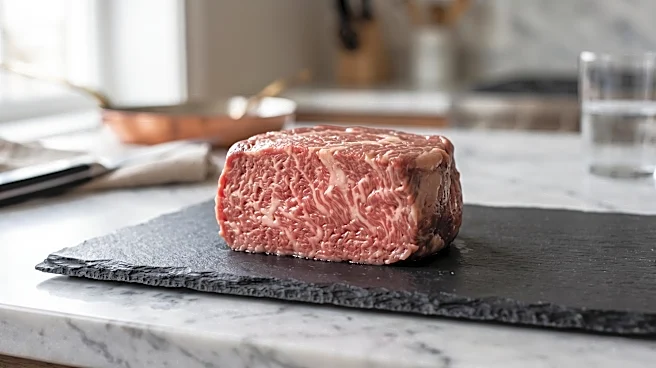
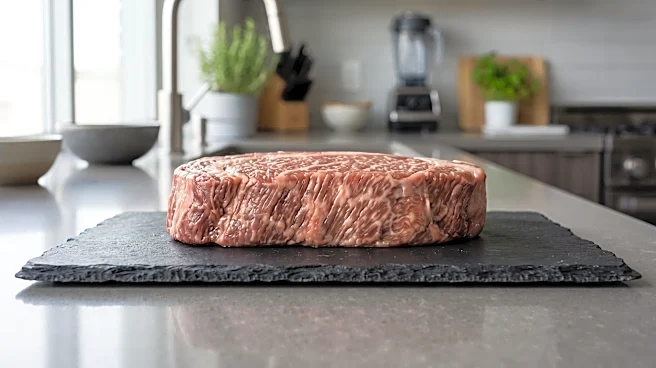
Ivy Farm Technologies, a cultivated meat company, has secured its initial regulatory approval in the UK to supply its cultivated wagyu beef as an ingredient for pet food. This approval, which involved collaboration with UK regulators including the Department
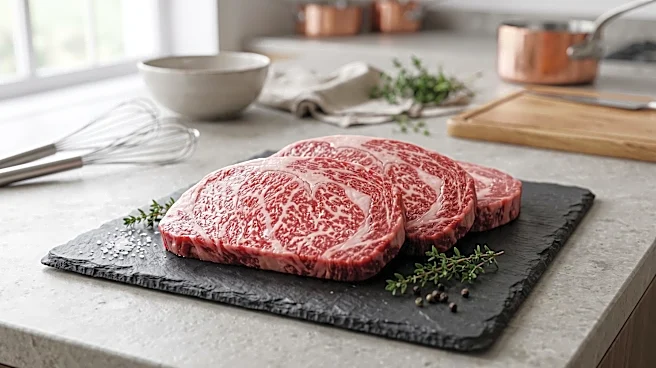
for Environment, Food & Rural Affairs (Defra) and the Animal and Plant Health Agency (APHA), signifies a significant step for the cultivated meat industry. The company's cultivated wagyu is produced from cells taken from a single F1 wagyu cow, eliminating the need for animal slaughter. Ivy Farm Technologies highlights that their product is not only rich in the umami flavor of wagyu but also highly nutritious, packed with vitamins and minerals. Third-party tests have indicated that it outperforms traditional beef and chicken in digestion and absorption, with early results suggesting benefits for gut health. David Pytches, Head of Sales at Ivy Farm, emphasized that pet owners are increasingly seeking transparency and quality in pet food ingredients, and their cultivated wagyu offers nutrition, taste, and provenance. The company plans its first commercial-scale production run for early 2027 and has also submitted an application for pet food approval in Europe. Furthermore, Ivy Farm is pursuing regulatory approval for human consumption in the UK, Europe, and the US.
Why It's Important?
This regulatory approval in the UK for cultivated meat in pet food marks a crucial development for the alternative protein market and could have ripple effects in the U.S. The success of cultivated meat in the pet food sector could serve as a proving ground, demonstrating scalability, consumer acceptance, and regulatory viability before broader adoption in human food markets. For U.S. consumers, this could mean a future with more sustainable and ethically produced pet food options, potentially influencing domestic regulatory bodies to consider similar approvals. The emphasis on nutrition and gut health in Ivy Farm's product could also drive innovation in the pet food industry, leading to healthier choices for pets. From an economic perspective, this development could open new revenue streams for cultivated meat companies, attracting further investment and accelerating technological advancements. The move away from traditional animal agriculture for pet food could also address environmental concerns related to livestock farming, aligning with growing consumer demand for sustainable products. The experience gained in the UK market will provide valuable insights for companies seeking to enter the U.S. market, potentially streamlining future regulatory processes.
What's Next?
Ivy Farm Technologies is set to complete its first commercial-scale production run in early 2027. Following this, the company will likely focus on expanding its partnerships with pet food brands and manufacturers to integrate its cultivated wagyu into their product lines. The ongoing application for pet food approval in Europe indicates a strategic move towards international market penetration, which could inform future U.S. market entry strategies. Concurrently, Ivy Farm is actively pursuing regulatory approval for human consumption of its cultivated wagyu in the UK, Europe, and the U.S. This dual-market approach suggests a long-term vision for cultivated meat to become a staple in both pet and human diets. The success or challenges encountered in these regulatory processes will be closely watched by other cultivated meat companies and investors, potentially influencing the pace and direction of the entire industry. The U.S. Food and Drug Administration (FDA) and the U.S. Department of Agriculture (USDA) will likely monitor these international developments as they consider their own frameworks for cultivated meat regulation.
Beyond the Headlines
The approval of cultivated wagyu for pet food in the UK highlights a broader societal shift towards more ethical and sustainable food systems. This development challenges traditional notions of meat production and consumption, particularly in the context of pet ownership, where the welfare of animals is often a significant concern for consumers. The ability to produce real meat without slaughter could alleviate ethical dilemmas for pet owners and potentially reduce the environmental footprint associated with conventional pet food ingredients. Furthermore, the success of cultivated meat in the pet food sector could pave the way for a more rapid acceptance of these products for human consumption. It could also spark discussions about the definition of 'meat' and the role of technology in addressing global food security and sustainability challenges. The move away from fetal bovine serum in cultivated meat production, as noted in the broader context of the industry, underscores a commitment to cruelty-free and more sustainable practices, which could resonate deeply with a growing segment of environmentally and ethically conscious consumers in the U.S. This innovation could also lead to new legal and labeling considerations for food products, both for pets and humans, as regulatory bodies adapt to these novel technologies.