







What's Happening?
London, the capital of the United Kingdom, presents a wide array of accommodation options for visitors, including prominent hotels such as the Hart Shoreditch Hotel London, Curio Collection by Hilton, Cleveland Residences Russell Square, Rosewood London, and art'otel
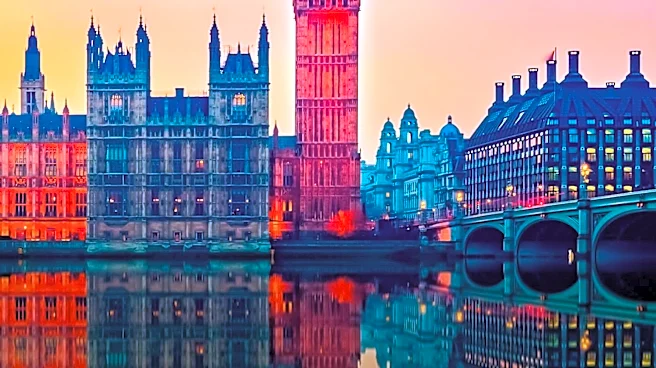
London Hoxton. These establishments are primarily located in Central London, a district known for its financial activities, vibrant theater scene, nightlife, extensive shopping opportunities, and numerous museums. The city is also home to several iconic landmarks that attract tourists globally, including the Shard, Tower Bridge, St. Paul’s Cathedral, and Buckingham Palace. For travelers, London is accessible via multiple airports, including London City Airport, London Heathrow Airport, and London Gatwick Airport. The local time in London is currently BST, with a scheduled time change in approximately two months and 27 days, when clocks will be adjusted back by one hour.
Why It's Important?
The robust tourism infrastructure in London, characterized by its diverse hotel offerings and iconic attractions, significantly contributes to the city's economy and its global standing as a premier travel destination. The presence of major hotel brands like Hilton and Rosewood indicates a strong hospitality sector, which in turn supports local employment and generates substantial revenue through visitor spending on accommodation, dining, entertainment, and shopping. The accessibility provided by multiple international airports further solidifies London's role as a major international hub, facilitating business travel and leisure tourism. The continuous flow of tourists and business visitors impacts various U.S. industries, including airlines, travel agencies, and companies with international operations, as London often serves as a gateway for transatlantic travel and commerce. The city's cultural and historical significance also draws a considerable number of American tourists, contributing to cultural exchange and strengthening bilateral ties.
What's Next?
Looking ahead, London's tourism sector is expected to continue adapting to global travel trends and economic shifts. The upcoming time change, while a minor operational adjustment, highlights the city's consistent adherence to seasonal changes. The ongoing development and maintenance of its iconic landmarks and hotel infrastructure will be crucial for sustaining its appeal to international visitors. Potential reactions from stakeholders, including hotel chains and tourism boards, will likely focus on marketing strategies to attract more visitors, especially from key markets like the U.S. There may also be continued investment in enhancing visitor experiences, such as improving public transport links to airports and attractions, and developing new cultural offerings. The city will also need to monitor and respond to any changes in international travel regulations or health advisories that could impact visitor numbers.
Beyond the Headlines
Beyond the immediate economic impact, London's enduring appeal as a global city has deeper cultural and social implications. Its status as a melting pot of cultures, reflected in its diverse neighborhoods and culinary scene, offers a rich experience for visitors that extends beyond mere sightseeing. The city's historical significance, from its ancient Roman roots to its role in shaping modern democracy and literature, provides a profound educational experience. The concentration of world-class museums and theaters also positions London as a global center for arts and culture, influencing trends and fostering international collaboration. For U.S. citizens, visiting London often represents a connection to shared historical roots and a vibrant contemporary culture, fostering a broader understanding of global interconnectedness and cultural diversity. The city's ability to blend tradition with modernity, as seen in its historic landmarks alongside cutting-edge architecture, offers a unique urban experience.