
What's Happening?
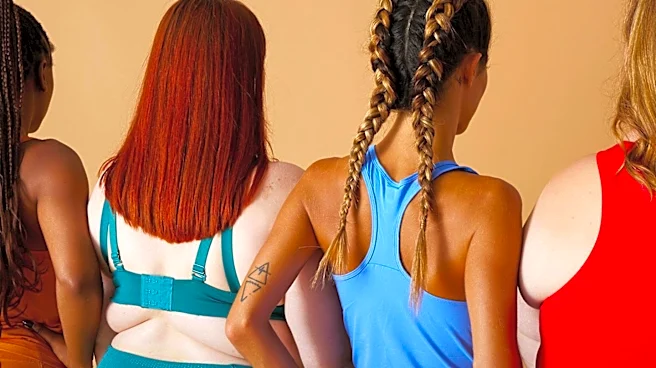
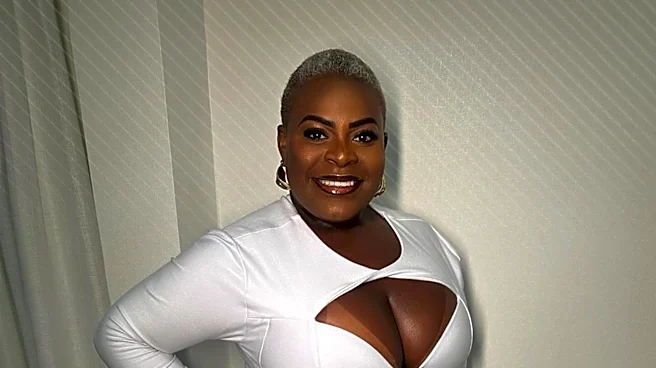
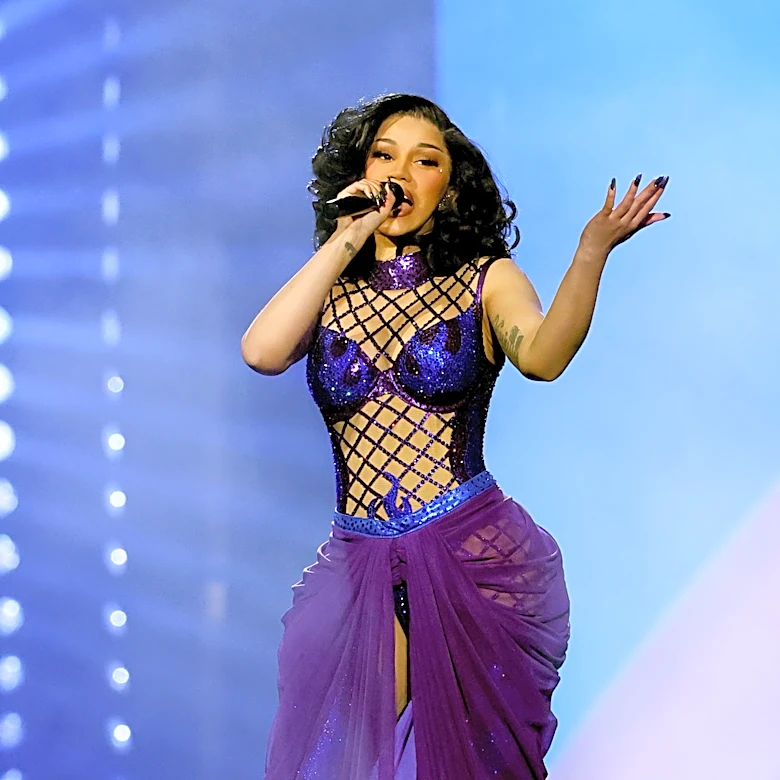
The landscape of pop culture is undergoing a significant transformation, moving away from rigid beauty standards towards a more diverse appreciation of the human form, particularly through the rise of 'celebrity curvage.' This term encompasses the celebration
of voluminous silhouettes, athletic builds, and the confident display of natural or enhanced physiques. This cultural phenomenon, heavily influenced by social media platforms like Instagram and TikTok, reflects a broader shift in how beauty, fitness, and self-expression are perceived. Designers are now creating pieces to highlight curves, and the fashion industry is adapting to consumer demand for more realistic body representation. The movement is deeply intertwined with body positivity and body neutrality, empowering individuals to embrace their unique shapes.
Why It's Important?
This shift in beauty standards holds significant importance for U.S. society, industries, and public policy. It challenges long-standing, often unattainable, ideals promoted by media, potentially fostering healthier body image among the general public. For the fashion and entertainment industries, it necessitates a re-evaluation of marketing strategies, product design, and casting choices to reflect this diversity, impacting revenue and brand perception. The emphasis on authenticity and self-acceptance can empower consumers, leading to increased demand for inclusive products and representation. Conversely, the commercialization of 'curvage' could also lead to new forms of pressure or unrealistic expectations if not handled responsibly, particularly concerning the distinction between natural and enhanced physiques.
What's Next?
The trend of celebrity curvage is expected to continue influencing fashion, media, and wellness industries. We may see further diversification in body representation across advertising campaigns, runway shows, and film. Social media will likely remain a primary driver, with influencers and celebrities continuing to shape perceptions of beauty and fitness. There could be increased demand for fitness routines and products that focus on 'toning' and 'building' rather than extreme weight loss. Ethical discussions around body enhancement and the promotion of 'authentic' versus 'curated' looks will likely intensify. Brands that fail to adapt to these evolving standards of inclusivity risk alienating a significant portion of their consumer base.
Beyond the Headlines
Beyond its aesthetic and commercial implications, the celebrity curvage movement touches upon deeper ethical and psychological dimensions. It represents a cultural reclamation of diverse body types, challenging the historical marginalization of certain physiques in media. However, the constant display of 'curvage,' even when framed as body positive, can still inadvertently create new benchmarks for physical appearance, potentially shifting pressure from one body type to another. The role of social media in amplifying these trends also raises concerns about the impact on mental health, as individuals navigate curated online realities. Understanding the balance between genuine self-acceptance and the commercialization of body image remains a critical aspect of this evolving cultural phenomenon.