



What's Happening?
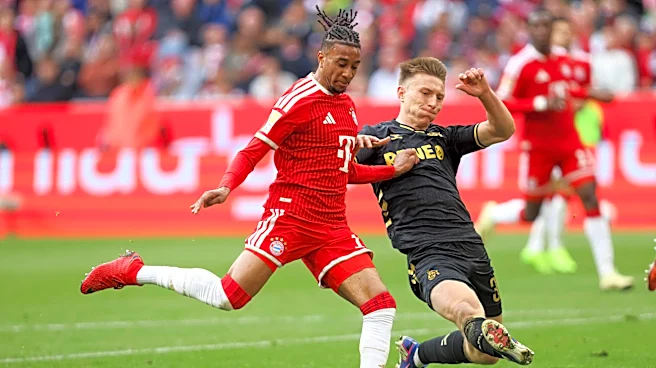
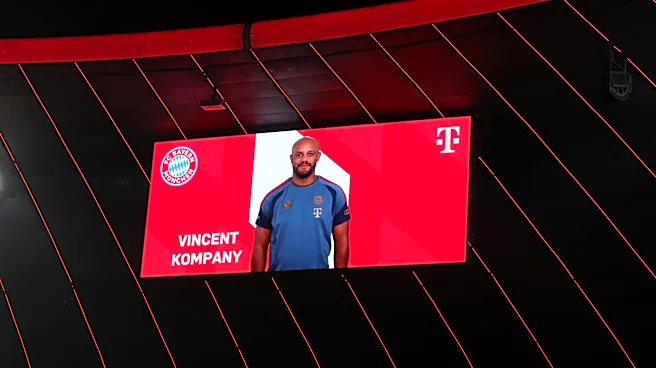
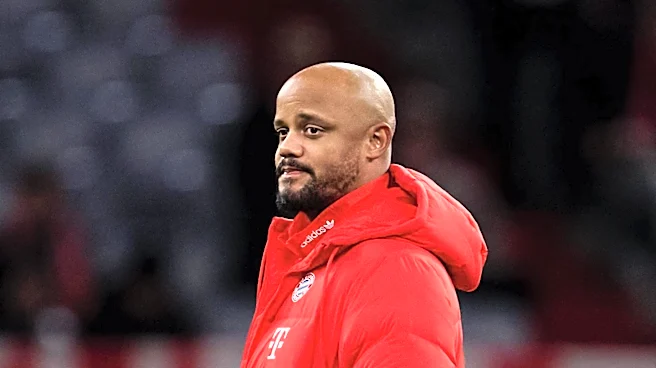
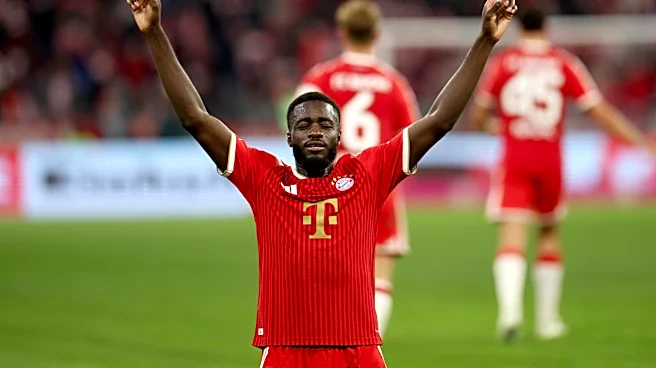
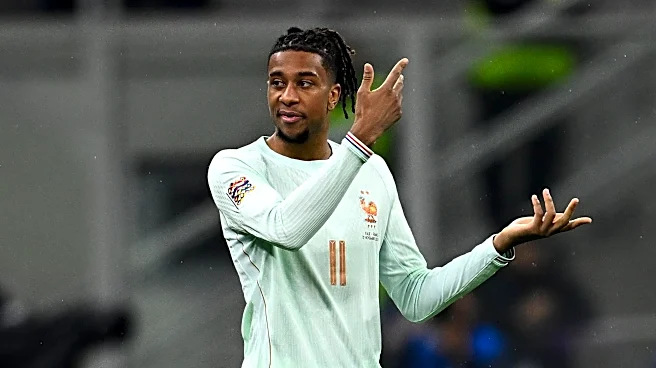
Bayern Munich head coach Vincent Kompany has lauded Michael Olise, describing him as a world-class player. Kompany highlighted Olise's extraordinary talent, mentality, and attention to detail, emphasizing that Olise possesses a unique vision on the pitch
that sets him apart. According to Kompany, his role as a coach is not to transform Olise into a world-class player, but rather to foster the continued development of the qualities that already make him exceptional. This praise comes as Olise has rapidly established himself as a prominent figure in global football.
Why It's Important?
Kompany's strong endorsement of Michael Olise underscores the player's significant impact and potential within the sport. Such high praise from a respected coach like Kompany can elevate Olise's profile, potentially increasing his market value and attracting further attention from top clubs globally. For Bayern Munich, having a player of Olise's caliber, recognized by their coach, reinforces the team's offensive capabilities and strategic depth. This recognition also highlights the club's commitment to nurturing and maximizing the talents of its key players, which is crucial for sustained success in competitive leagues.
What's Next?
With Kompany's public affirmation of Olise's talent, the focus will likely be on how Olise continues to perform and develop under the coach's guidance. This could lead to increased expectations for Olise's contributions in upcoming matches and tournaments. Kompany's philosophy of nurturing existing talent rather than creating it suggests a coaching approach that will empower Olise to further refine his unique abilities. The ongoing development of Olise will be a key storyline for Bayern Munich, as his performance will directly influence the team's achievements and strategic direction in the coming seasons.
Beyond the Headlines
Kompany's comments on Olise's inherent talent and the coach's role in nurturing it reflect a broader philosophical debate in sports coaching: whether top-tier athletes are 'made' or 'born.' His perspective suggests that while coaching is vital, some players possess an intrinsic level of talent and vision that coaches primarily help to refine. This viewpoint can influence how clubs approach player development and recruitment, prioritizing individuals with innate abilities. It also highlights the psychological aspect of coaching, where maintaining a player's 'hunger' and focus, even after achieving world-class status, is paramount for sustained excellence.