




What's Happening?
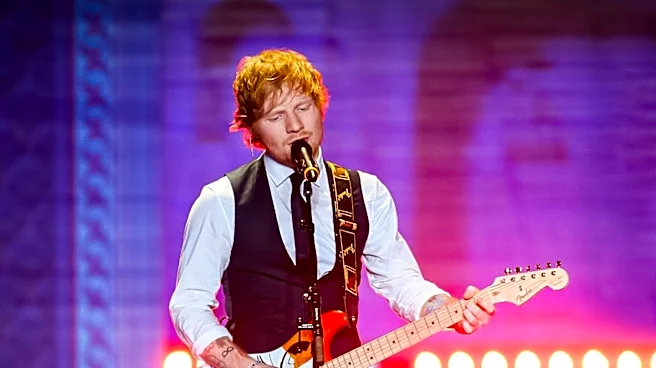
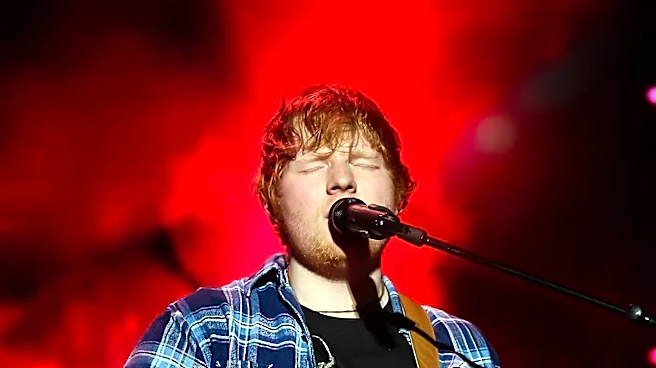
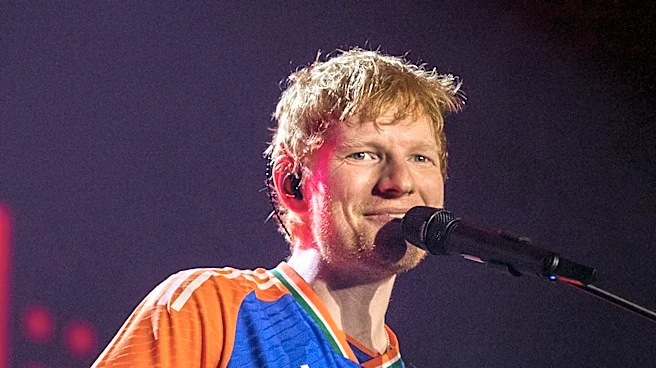
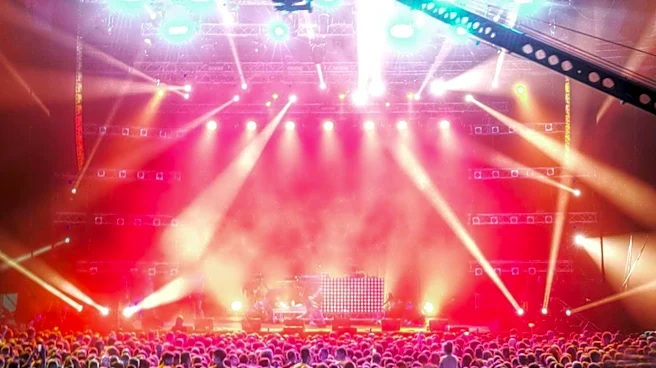
During his opening sets at Ed Sheeran's New Jersey concerts, rapper Macklemore declared 'Free Palestine' and performed his protest song 'Hind's Hall' with Gaza imagery projected onto MetLife Stadium screens. This act has ignited significant controversy,
drawing criticism from pro-Israel groups and celebrity figures like P!nk, who reposted criticism from StopAntisemitism. The Israeli-American Council (IAC) has launched a petition, signed by over 150,000 Israeli-Americans, calling Macklemore's performance a 'one-sided political agenda' and demanding clarification from Sheeran's team regarding the approval of such political content. Macklemore, however, explicitly stated his message was for peace and that criticism of Israel or apartheid is not a criticism of Jewish people, emphasizing dignity, respect, and equality for all.
Why It's Important?
This incident underscores the increasing intersection of celebrity platforms and highly charged geopolitical conflicts, particularly the Israeli-Gaza war. Macklemore's actions highlight the power of artists to use their stage to advocate for political causes, but also the immediate and intense backlash that can follow when those views are controversial. The controversy reflects the deep polarization surrounding the conflict within the U.S. and globally, forcing audiences and event organizers to confront questions about artistic freedom, political expression at entertainment events, and the potential for alienating segments of the audience. The IAC's petition and P!nk's involvement demonstrate how advocacy groups and public figures can quickly mobilize to influence public opinion and pressure artists and event promoters.
What's Next?
The IAC petition demands that Ed Sheeran's team clarify whether Macklemore's political speech and Gaza imagery were approved and establish boundaries for future messaging on the tour. As of now, Sheeran has not commented, and Macklemore remains on the lineup for the tour, which resumes on September 19 in Philadelphia. The situation could lead to further protests or calls for boycotts from various groups, potentially impacting future tour dates or the artists' public images. This event may also prompt other artists and event organizers to re-evaluate their policies regarding political expression during performances, balancing artistic freedom with audience expectations and potential controversies. The debate over the role of artists in political discourse is likely to continue.
Beyond the Headlines
This controversy delves into the broader implications of cultural figures engaging with complex international conflicts. It raises questions about the responsibility of artists to provide context and nuance when addressing such sensitive topics, and whether a concert setting is an appropriate venue for such political statements. The backlash also highlights the challenges faced by Jewish communities and pro-Israel advocates who feel marginalized or targeted by certain forms of criticism against Israel. Conversely, supporters of Macklemore's stance view his actions as a courageous exercise of free speech and a call for human rights. This incident contributes to the ongoing national conversation about antisemitism, anti-Zionism, and the boundaries of political expression in public spaces, particularly within the entertainment industry.