






What's Happening?
The traditional model of hospitality education, which primarily served as a recruitment pipeline for hotel operators, is undergoing a significant transformation. Universities are now evolving into active research and development (R&D) centers, collaborating
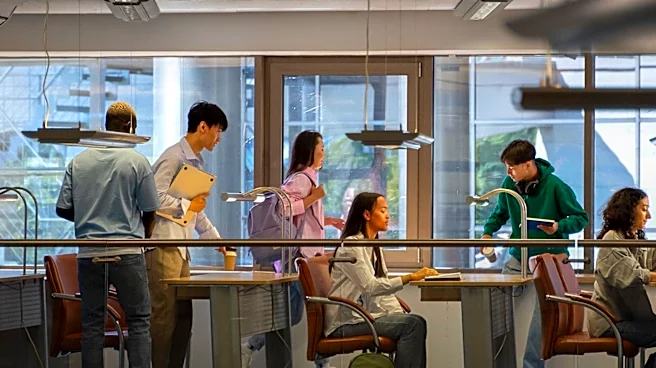
directly with major hotel brands to explore new operational concepts, test service models, refine artificial intelligence (AI) applications, and gather consumer insights. This shift allows the industry to experiment with unproven models in a safe, structured environment, mitigating the financial risks associated with testing in live commercial settings. Institutions like Florida International University (FIU) and Fairleigh Dickinson University (FDU) are embedding technology and AI into their core curricula, with students working on real-time business challenges. The Marriott-Sorenson Center for Hospitality Leadership at Howard University is also fostering an interdisciplinary approach, engaging students from various majors to tackle hospitality problems, focusing on asset management, corporate strategy, and development rather than just operational tracks. This collaborative ecosystem is designed to prepare a new generation of hospitality professionals with diverse skill sets and innovative perspectives.
Why It's Important?
This transformation is crucial for the U.S. hospitality industry as it faces rapid operational shifts and the need to adapt to a new generation of talent and consumers. By partnering with academic institutions, hotel brands gain access to a low-risk environment for innovation, allowing them to test new technologies and strategies before widespread implementation. This collaboration helps address real-world business challenges, such as integrating AI to streamline operations and improve efficiency, as demonstrated by Wyndham Hotels & Resorts' partnership with Cornell Tech. Furthermore, it provides a platform for gathering invaluable Gen Z perspectives, which are essential for understanding the preferences of both the incoming workforce and future guests. This feedback loop challenges existing operational norms and encourages brands to evolve beyond traditional practices, focusing on values and experiences that resonate with younger demographics. The interdisciplinary approach, exemplified by Howard University, broadens the talent pool entering the hospitality sector, bringing fresh insights from fields like computer science, finance, and supply chain, which can lead to more holistic and innovative solutions for the industry's complex challenges.
What's Next?
The trend of universities acting as R&D hubs is expected to continue and expand, with ongoing capital investments and philanthropic support further solidifying this role. Institutions are likely to deepen their integration of technology, particularly AI, into their curricula, ensuring that future hospitality professionals are not only AI-fluent but also possess strong human connection skills. The emphasis will remain on experiential learning, with students engaging in more real-time operational exposure and problem-solving. Major stakeholders, including hotel owners and operators, will need to adapt their engagement strategies with academic programs, moving beyond mere recruitment to actively participate in co-creation and innovation. This will involve providing students with opportunities to challenge existing processes and contribute to high-stakes decision-making. The development of specialized centers and institutes, like the J. Willard and Alice S. Marriott Jr. Institute for Hospitality and Leadership at the University of Utah, indicates a future where academic-industry partnerships drive significant advancements and shape the future of the hospitality sector.
Beyond the Headlines
Beyond the immediate benefits of innovation and talent development, this shift in hospitality education has deeper implications for the industry's long-term sustainability and societal impact. The focus on interdisciplinary collaboration and challenging traditional dogma can lead to more inclusive and accessible hospitality experiences, as seen in Cal Poly Pomona's research into sensory-friendly experiences for neurodivergent travelers. This highlights an ethical dimension, where academic partnerships can drive social responsibility and cater to diverse guest needs. Furthermore, by fostering a culture of constructive inquiry and psychological safety within educational settings, universities are preparing future leaders who can create more empathetic and resilient workplaces. This emphasis on human-centric leadership, even amidst technological advancements, suggests a future where the hospitality industry prioritizes employee well-being and fosters environments where diverse viewpoints are valued, ultimately leading to better retention and guest satisfaction. The integration of AI is not just about efficiency but about enhancing the human touchpoints, ensuring technology serves to augment rather than replace human interaction.