




What's Happening?
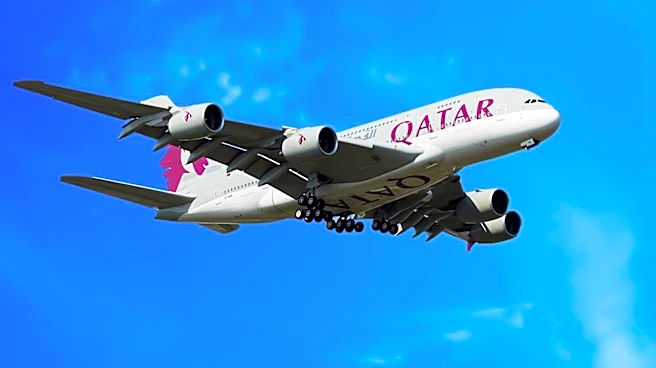
Qatar Airways is drawing criticism for deploying older Boeing 777-300ER aircraft with outdated 2-2-2 business class cabin configurations on routes where passengers expect the more modern 1-2-1 Qsuite. A recent review highlighted a seven-hour overnight
flight from Doha to Phuket where passengers booked expecting a premium experience were instead met with a cabin described as belonging in a museum. This older configuration lacks direct aisle access for window seats and offers minimal privacy, a significant downgrade from the advertised Qsuite product. The airline's practice of aircraft swaps, leading to inconsistent cabin experiences under the same flight number, has been noted as a recurring issue, particularly on routes like Phuket. Despite good food and cordial crew service, the dated seating and single meal service on a long-haul overnight flight are failing to meet the expectations set by Qatar Airways' premium branding and pricing.
Why It's Important?
This inconsistency in Qatar Airways' premium product delivery can significantly impact its brand reputation and competitive standing in the luxury travel market. Passengers paying premium fares expect a consistent, high-quality experience, and receiving an outdated cabin can lead to dissatisfaction and a loss of trust. In an increasingly competitive airline industry, where carriers vie for high-value business and leisure travelers, failing to deliver on advertised cabin standards can drive customers to competitors like Etihad, which may offer more consistent premium products. For U.S. travelers, this issue highlights the importance of verifying aircraft types and potential cabin configurations, especially on connecting international flights, to avoid disappointment. The discrepancy between marketing and actual service can also influence travel agencies and corporate travel managers when recommending airlines for business class bookings, potentially shifting market share.
What's Next?
Passengers are advised to meticulously check aircraft registrations and use flight tracking tools to ascertain the specific cabin configuration before booking or flying with Qatar Airways, especially on routes known for aircraft swaps. While seat maps might indicate a certain layout, last-minute changes can still occur. The airline may face increasing pressure from customer feedback and competitive market forces to standardize its premium cabin offerings or clearly communicate the specific aircraft and cabin types for each flight. Failure to address these inconsistencies could lead to a decline in customer loyalty and a preference for airlines that offer more predictable and modern premium experiences. Travelers are encouraged to price tickets based on the worst possible cabin they might encounter rather than the best, given the current variability.
Beyond the Headlines
The issue extends beyond mere passenger comfort; it touches upon the broader ethical implications of airline marketing and transparency. When an airline markets a premium product like the Qsuite but delivers a significantly inferior experience without clear disclosure, it raises questions about consumer protection and fair advertising practices. This practice could erode consumer confidence in airline branding and lead to increased scrutiny from regulatory bodies regarding truth in advertising for premium services. Furthermore, it highlights a challenge for airlines balancing fleet modernization costs with maintaining a consistent premium brand image across their global network. The long-term impact could be a shift in consumer behavior, with travelers becoming more diligent in researching specific aircraft tail numbers and cabin layouts, rather than relying solely on the airline's general brand promise.