



What's Happening?
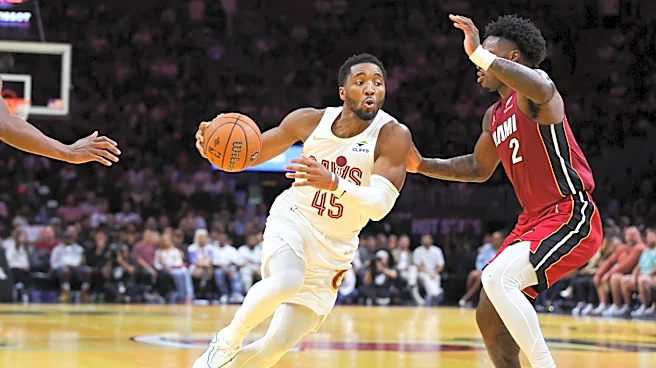
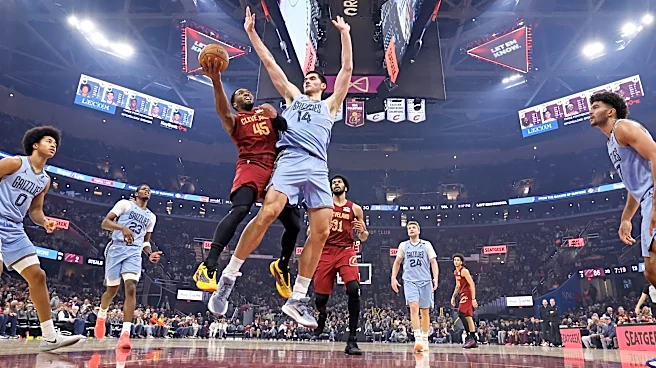
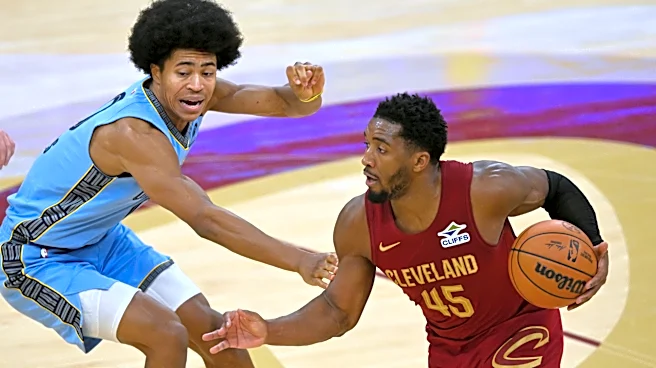
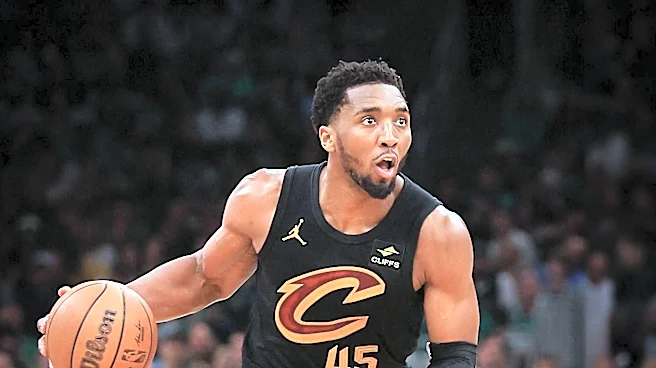
Cleveland Cavaliers shooting guard Donovan Mitchell continues to perform at an elite level in the NBA, consistently delivering high-caliber statistics and earning multiple All-Star and All-NBA selections. Despite his sustained excellence, the source indicates
that Mitchell does not receive the same level of national attention or 'superstar buzz' as some of his peers, such as Anthony Edwards. Last season, Mitchell averaged 27.9 points, 5.7 assists, 4.5 rebounds, and 1.5 steals, shooting 48.3% from the field, finishing seventh in NBA scoring, and earning All-NBA Second Team honors. He recorded 34 games with at least 30 points. While Edwards' numbers were also impressive, Mitchell's production was comparable, with nearly two more assists per game and only 0.9 fewer points, along with more 30-point performances in fewer games. Mitchell has maintained an average of at least 23 points in every season since his rookie year, accumulating seven consecutive All-Star selections and three All-NBA honors.
Why It's Important?
The disparity in recognition for Donovan Mitchell, despite his consistent elite performance, highlights a broader issue within sports media and fan engagement regarding how player narratives are shaped. This situation could impact the Cleveland Cavaliers' strategic decisions, as they possess a player who is arguably one of the best shooting guards in the league. The article suggests that the Cavaliers have a championship window that requires them to maximize Mitchell's prime years. If Mitchell's contributions are consistently undervalued by the national media, it could affect his marketability, endorsement opportunities, and potentially his leverage in future contract negotiations. For the Cavaliers, ensuring Mitchell feels valued and supported is crucial for retaining him and building a championship-contending team around him. The lack of widespread recognition for a player of Mitchell's caliber also raises questions about the criteria used to define 'superstardom' in the NBA, suggesting that factors beyond on-court performance, such as personality and market size, play a significant role.
What's Next?
The Cleveland Cavaliers face an urgent situation to capitalize on Donovan Mitchell's prime. The organization has already invested heavily in its veteran core, and the next steps involve making these investments count towards a championship. This will likely entail making difficult roster decisions, demanding more from other high-salaried players, and ensuring Mitchell remains the offensive priority. The Cavaliers' ability to achieve a deep playoff run and potentially a championship will be critical in validating their strategy and potentially elevating Mitchell's national profile. If the team can achieve significant success, it might force a re-evaluation of Mitchell's standing among the league's elite by the broader basketball world. Conversely, a failure to contend could lead to further questions about the team's direction and Mitchell's future with the franchise, especially as he approaches his mid-30s.
Beyond the Headlines
The narrative surrounding Donovan Mitchell's career extends beyond mere statistics, touching upon the cultural and media dynamics of professional sports. The article implies that playing in smaller markets like Utah and Cleveland, coupled with a less outspoken personality compared to some peers, may contribute to his overlooked status. This situation underscores how 'superstar buzz' in the NBA is not solely a product of on-court excellence but also of media engagement, viral moments, and market visibility. It raises ethical questions about whether the media's focus on 'exciting next generation' players or those with more charismatic personalities inadvertently diminishes the recognition of consistently high-performing veterans. This trend could influence how young players are advised to manage their public image and interactions, potentially prioritizing media-friendly personas over solely focusing on their game. Ultimately, it highlights a tension between objective performance metrics and subjective public perception in defining athletic greatness.