




What's Happening?
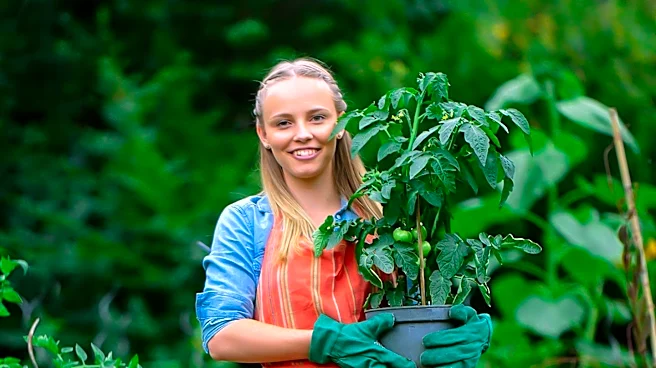
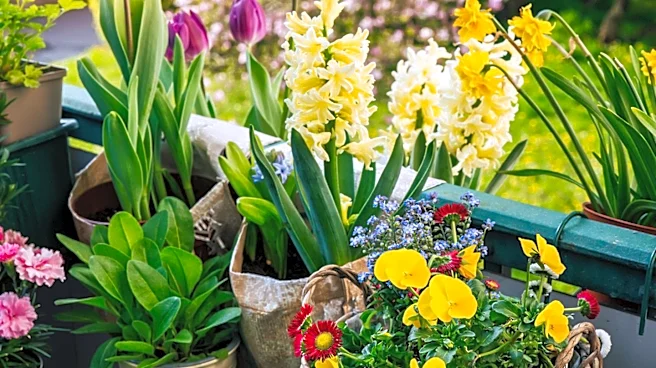
Container gardening provides a flexible and effective method for cultivating tulips, particularly beneficial for individuals with limited space or mobility. This approach allows gardeners to control soil conditions, easily relocate plants to optimize
sun exposure or avoid adverse weather, and harvest produce conveniently near their homes. For tulips, a 12-inch pot can accommodate 12 to 15 bulbs, enabling a dense and visually appealing display. This method also offers a significant advantage in protecting bulbs from common garden pests such as squirrels, voles, and chipmunks, which often view newly planted bulbs as food. Gardeners can further enhance protection by placing decorative wire mesh or hardware cloth over the pot after planting, which can be removed once sprouts emerge. The ability to choose specific soil mixes ensures optimal drainage and nutrient availability, which is crucial for healthy tulip growth, unlike in-ground planting where soil conditions are often fixed.
Why It's Important?
The increasing popularity of container gardening reflects a broader trend towards adaptable and accessible horticultural practices in the U.S. This method is particularly important for urban dwellers or those with smaller outdoor spaces, such as balconies or patios, allowing them to engage in gardening without the need for extensive land. The control over environmental factors, such as soil composition and plant location, empowers gardeners to mitigate common challenges like poor soil quality or pest infestations, leading to higher success rates and more vibrant displays. For the gardening industry, this trend signifies a growing market for specialized containers, potting mixes, and compact plant varieties suitable for container growth. It also promotes sustainable practices by enabling localized food production and reducing the need for large-scale land use, aligning with contemporary environmental consciousness.
What's Next?
As container gardening continues to gain traction, consumers can expect to see an expansion in product offerings tailored to this method, including innovative pot designs, specialized potting mixes, and a wider selection of plant varieties optimized for compact growth. Educational resources and workshops on container gardening techniques are also likely to become more prevalent, catering to both novice and experienced gardeners. The development of pest-resistant container solutions and integrated pest management strategies for potted plants will also be a key area of focus. Furthermore, the aesthetic appeal and practical benefits of container gardening may lead to its increased integration into urban planning and landscape design, transforming public and private spaces into more green and vibrant environments. This shift could also influence seed and bulb suppliers to offer more container-friendly options.
Beyond the Headlines
The rise of container gardening extends beyond mere horticultural convenience; it represents a cultural shift towards greater self-sufficiency and a reconnection with nature in an increasingly urbanized society. This practice fosters a sense of accomplishment and well-being, providing therapeutic benefits through engagement with living plants. Ethically, it promotes responsible land use and can contribute to local biodiversity, even in small-scale settings. Legally, it may influence zoning laws and community garden regulations, as more individuals seek to cultivate plants in non-traditional spaces. Economically, it supports local nurseries and garden supply stores, creating a micro-economy around urban and small-space gardening. This movement also highlights a growing appreciation for the aesthetic and functional integration of greenery into everyday life, transforming mundane spaces into vibrant, productive ecosystems.